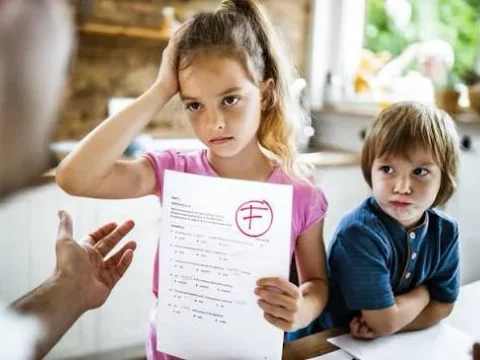
“I’m bad.”
“I can’t do anything right.”
“I always make mistakes.”
Hearing your child say these words can be heartbreaking.
Many parents immediately want to respond:
“No, you’re not bad!”
But behind these words, there is often a deeper message.
A child who says “I’m bad” is usually not describing who they are.
They are describing how they feel in that moment.
Understanding where this belief comes from can help parents respond in a way that builds confidence instead of shame.
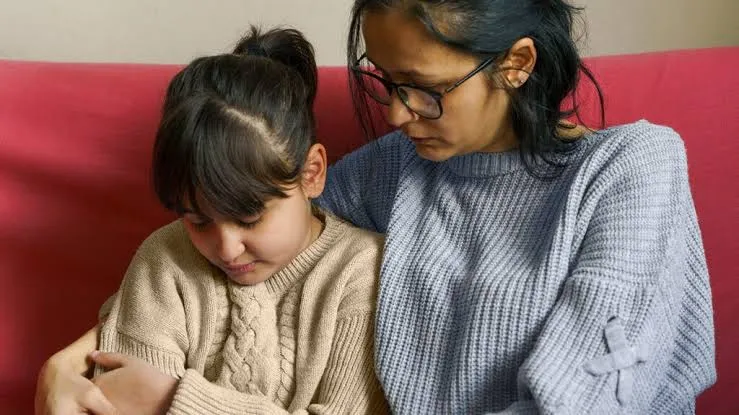
1. They Confuse Mistakes With Their Identity
Young children are still learning the difference between:
“I did something wrong.”
and
“I am wrong.”
For example, after breaking a toy, losing a game, or making a mistake at school, a child may think:
“I made a bad choice.”
but express it as:
“I am bad.”
They need help understanding that behavior can be corrected without judging their entire identity.
A mistake is something they did.
It is not who they are.
2. They May Hear More Correction Than Encouragement
Children need guidance.
But if most interactions focus on what they did wrong, they may slowly develop a negative view of themselves.
A child may begin to think:
“My parents only notice my mistakes.”
“I always disappoint people.”
This does not mean parents should avoid correcting behavior.
It means correction should be balanced with encouragement and connection.
Children grow when they know they are loved even while they are learning.
3. They Compare Themselves to Others
Comparison can strongly influence a child’s self-image.
A child may compare themselves with:
- Siblings
- Classmates
- Friends
They may think:
“Everyone is better than me.”
“I’m not as smart as them.”
“I’m not good enough.”
Helping children focus on personal growth rather than comparison can create a healthier mindset.
The question changes from:
“Am I better than someone else?”
to:
“Am I learning and improving?”
4. They Are Sensitive to Disappointment
Some children are naturally more sensitive.
They may feel emotions more deeply and take mistakes seriously.
A small failure can feel much bigger in their mind.
For these children, phrases like:
“Why did you do that?”
or
“You should know better.”
may feel like rejection rather than guidance.
They often need reassurance that mistakes do not change how loved they are.
5. They Need to Feel Capable
Confidence grows when children experience small moments of success.
Instead of always solving problems for them, parents can give children opportunities to try.
For example:
“You worked really hard on that.”
“You kept trying even when it was difficult.”
“I noticed how much effort you put in.”
Focusing on effort helps children develop confidence that comes from growth, not perfection.
What Should Parents Say When a Child Says “I’m Bad”?
Instead of:
“Don’t say that.”
Try:
“You’re not a bad person. You made a mistake, and mistakes happen.”
or:
“Something happened that made you feel this way. Can we talk about it?”
The goal is not only to change their words.
The goal is to help them change the way they see themselves.
Helping Your Child Build Confidence Through Connection
A child’s self-image is shaped by the relationship they have with the people closest to them.
This is one of the central ideas explored in The Parent You Aspire to Be, a parenting book that focuses on understanding children’s emotions, responding with empathy, and creating a stronger parent-child connection.
Instead of seeing difficult moments as problems to eliminate, it encourages parents to see them as opportunities to understand what their child needs emotionally.
When children feel accepted, they learn that they are valuable even when they struggle.
Final Thoughts
When a child thinks they are bad, they are often expressing pain, frustration, or fear of disappointing others.
The most powerful thing parents can do is help children separate their mistakes from their identity.
They need to know:
“I can make mistakes and still be loved.”
“I can struggle and still be valuable.”
A confident child is not a child who never fails.
A confident child is one who knows failure does not define them.