
Seven-year-old Ryan dropped his Lego tower on the living room rug and let out a loud, explicit swear word he had heard on a gaming video. His grandmother gasped from the armchair, and his father felt an immediate surge of panic, wondering whether to send Ryan straight to his room or wash his mouth out with soap. Noticing the huge emotional reaction he had generated, Ryan looked around the room with a subtle, mischievous grin.
A child using explicit language is a universal parenting challenge that can feel deeply embarrassing.
However, young children rarely swear to be malicious or immoral. In younger kids, swearing is usually an experiment in cause and effect—they test bad words to see how adults react. In older children and teenagers, swearing is often used to fit in with peers, project maturity, or express sudden, unmanageable frustration.
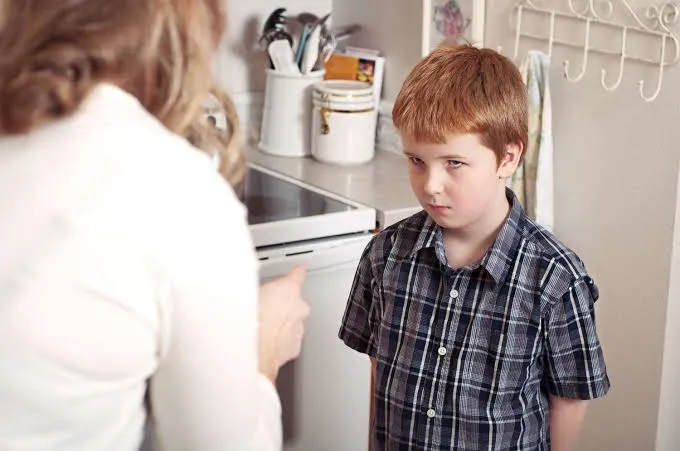
Why Dramatic Overreactions Fuel the Habit
When parents react to a curse word with shock, screaming, or dramatic gasps, they unwittingly give the bad word massive social power.
The child realizes that a single forbidden word grants them instant control over the entire room. To eliminate swearing permanently, you must strip bad words of their dramatic power while teaching acceptable ways to process intense emotions.
Practical Steps to Handle Foul Language
Maintain a Cool, Neutral Reaction
When a swear word escapes your child’s mouth, keep your facial expression completely calm and your vocal tone flat. Neutralize the attention by saying simply: “That is a word we do not use in our home.”
Identify the Underlying Emotion Behind the Word
Help your child identify what they were trying to express when the word came out. Say: “I can see you are furious that your Lego tower broke, but we use strong words like ‘frustrating’ or ‘annoying’ instead of profanity.”
Establish Clear, Universal Household Rules
Define clear family rules regarding foul language that apply to everyone in the house, including adults. If children hear parents cursing when frustrated in traffic, they will naturally copy that exact behavior during their own stressful moments.
Implement Clean, Non-Dramatic Consequences
If swearing continues after clear warnings, apply calm, consistent consequences—such as a brief loss of screen privileges or extra household duties—without getting drawn into long, angry lectures.



