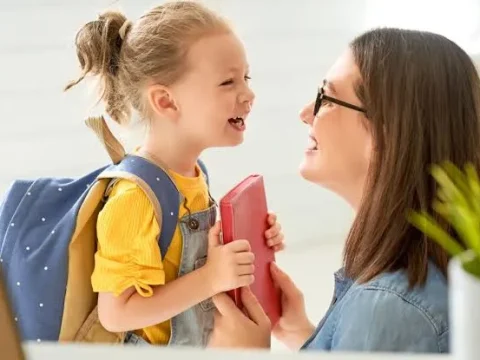
Every parent wants their child to feel loved and safe.
But emotional security is about more than providing food, clothing, and physical safety.
Children also need to feel:
“My feelings matter.”
“My parents understand me.”
“I am loved even when I make mistakes.”
When children feel emotionally secure, they are more likely to develop confidence, independence, and healthy relationships.

What Does Emotional Security Mean for Children?
Emotional security means a child trusts that their parents are:
- Available when they need support
- Interested in their feelings
- Loving even during difficult moments
- Consistent in their responses
A secure child does not need a perfect parent.
They need a parent who provides a reliable emotional connection.
Listen to Your Child’s Feelings
One of the simplest ways to build emotional security is to truly listen.
Children often share emotions through behavior before they have the words to explain them.
Instead of immediately saying:
“Don’t cry.”
“It’s not a big deal.”
Try:
“I can see this upset you.”
“Tell me what happened.”
“You seem really frustrated.”
When children feel understood, they learn that their emotions are acceptable.
Spend Meaningful Time Together
Children do not measure love only through big gestures.
Small moments create strong connections:
- Reading together
- Talking before bedtime
- Playing without distractions
- Sharing daily experiences
Consistent connection helps children feel important and valued.
Be Calm During Difficult Moments
Children often borrow emotional stability from their parents.
When a child is angry, scared, or overwhelmed, a calm parent sends the message:
“You are safe.”
“This feeling will pass.”
“We can handle this together.”
This does not mean accepting every behavior.
Parents can set boundaries while still showing love.
Let Your Child Know Love Is Not Conditional
Children need to know:
“I am loved because I am me.”
Not:
“I am loved only when I behave perfectly.”
Parents can communicate this through words and actions:
“I don’t like what happened, but I still love you.”
“We can fix mistakes together.”
Encourage Independence While Staying Connected
Emotionally secure children are not children who always depend on parents.
They are children who feel safe enough to explore.
When children know they have a secure base, they become more confident trying new things.
Healthy independence grows from strong connection.
Building a Lifelong Relationship With Your Child
The relationship parents create during childhood influences how children see themselves and others.
Creating emotional security requires patience, understanding, and consistent connection.
The Parent You Aspire to Be explores how parents can strengthen emotional bonds, understand children’s inner worlds, and develop a more connected approach to parenting.
The goal is not to become a perfect parent.
The goal is to become the kind of parent your child feels safe turning to.