
At some point, most children will face a moment when their friends want them to do something they are not comfortable with. It may be something relatively minor, such as making fun of another student, breaking a school rule, or pretending not to care about something they actually enjoy. In other situations, the pressure can involve lying, risky behavior, or deliberately doing something they know they should not.
Parents often respond with a simple message: “Just say no.” The problem is that saying no can feel very different when a child is standing in front of a group of friends and worrying about being laughed at, excluded, or called uncool.
Helping children resist peer pressure is therefore not only about teaching them to make good choices. It is also about giving them enough confidence and practical options to handle the social consequences of making those choices.
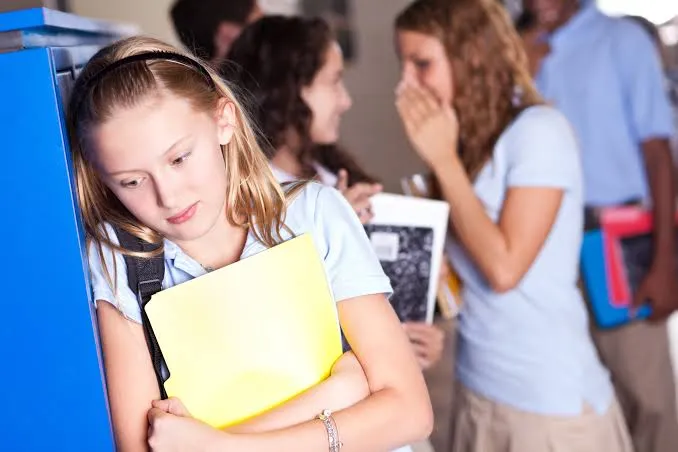
Peer Pressure Does Not Always Look Obvious
Parents sometimes imagine peer pressure as a group directly telling a child to do something dangerous. It can be much quieter than that.
A child may go along with a group because:
- they do not want to be the only person saying no
- they are worried about being left out
- they want approval from a particular friend
- everyone else seems comfortable with the behavior
- they are afraid that refusing will make them look childish
- they do not know how to leave the situation
This is why simply telling children to “make better choices” can miss the hardest part. They may know the choice they want to make but still not know how to make it when everyone around them is doing something else.
Talk About Real Situations Before They Happen
It is easier to think clearly about peer pressure when you are sitting at home than when you are surrounded by friends.
Use ordinary situations as opportunities to talk. You can ask what your child would do if a friend wanted to break a rule, post something mean online, leave someone out, or pressure them to do something they did not want to do.
The point is not to give your child a speech about every possible danger. It is to help them rehearse the moment mentally so that saying no does not feel completely unfamiliar when it happens for real.
Give Them More Than One Way to Say No
Some children think resisting peer pressure means giving a long explanation. That can make the situation harder because the more they explain, the more opportunities other children have to argue back.
Simple responses can be easier:
- “I’m not doing that.”
- “That’s not for me.”
- “I’m good.”
- “Let’s do something else.”
- “I have to go.”
Your child does not need to convince everyone that their choice is correct. They need a way to protect their own decision without turning every situation into an argument.
Teach Them How to Leave
Sometimes the most effective way to resist pressure is not to stand there and debate it.
If the situation is becoming uncomfortable or risky, leaving can be a smart choice. Your child might move toward another group, call home, find a trusted adult, or use a prearranged reason to leave.
It can help to have a plan before it is needed. Children are more likely to use an exit strategy when they already know what it looks like.
Be Careful About Making Friends the Enemy
When parents are worried, it is tempting to say, “Those kids are a bad influence. Stay away from them.”
Sometimes a friendship genuinely is harmful, and parents need to set limits. But criticizing every friend can also make children less likely to tell you what is really happening.
Try asking about the situation rather than immediately judging the people involved. What does your child like about the friendship? What happens when they disagree? Do they feel respected? Can they say no without being mocked?
Those questions help children develop their own judgment about relationships instead of simply waiting for a parent to label someone good or bad.
Confidence Helps, but So Does Belonging
A child is less likely to go along with something simply to fit in when they have other places where they feel accepted.
Healthy friendships, activities, hobbies, family relationships, and supportive adults can all give children a stronger sense of identity outside one particular peer group.
That does not make peer pressure disappear. It gives the child more to stand on when they have to make a difficult choice.
When Peer Pressure Becomes a Safety Concern
Most social pressure is part of growing up. Some situations are much more serious.
Pay attention when your child is being pressured to:
- break important rules repeatedly
- send or share something private
- use substances
- engage in dangerous behavior
- bully or humiliate someone
- hide serious situations from adults
In these circumstances, parents may need to become more directly involved. The goal is not simply to tell the child they should have known better. It is to make sure they are safe and help them understand how to get out of situations they cannot manage alone.
Help Your Child Trust Their Own Judgment
Children will not always make the right choice. They will sometimes follow a group, regret a decision, or realize afterward that they handled a situation poorly.
That does not mean the lesson has failed.
Over time, children need to become comfortable with the idea that they can disagree with friends, leave an uncomfortable situation, and make a choice that nobody else approves of. The strongest protection against peer pressure is not a perfect script. It is a child who gradually trusts their own judgment enough to use it.



