
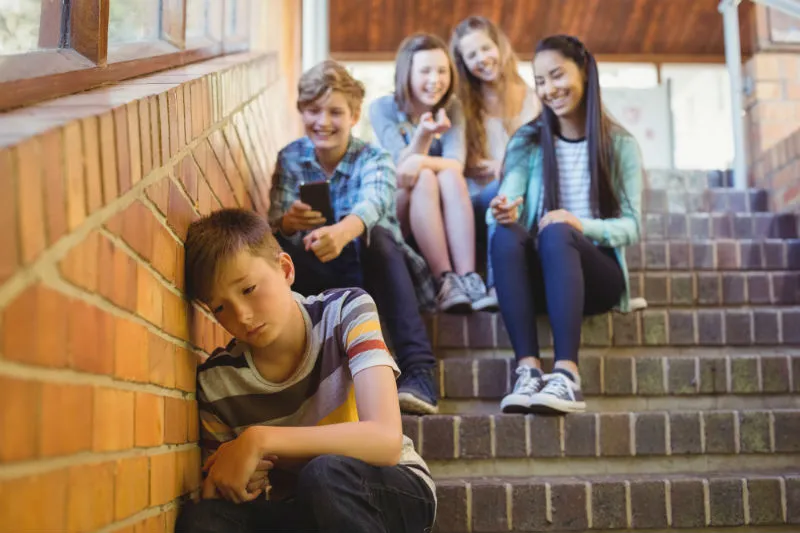
Few things upset parents quite like realizing their child feels left out. Maybe they were not invited to a birthday party, other children formed a group without them, or they came home upset because nobody wanted to play with them at recess. Sometimes the exclusion is obvious, and sometimes it is much harder to tell what actually happened.
Children can also experience social exclusion differently depending on their age and personality. One child may become angry and insist that everyone is mean, while another may quietly withdraw and stop trying to join in. Some children will tell you what happened immediately, while others simply say, “I don’t want to go back tomorrow.”
The first step is not always fixing the friendship. It is understanding what the experience meant to your child.
Social Exclusion Does Not Always Look the Same
Being left out can range from a single unpleasant interaction to a repeated pattern within a peer group. A child might not be included in one game but still have several good friendships. Another child may regularly be ignored, excluded from activities, or made to feel unwelcome.
Before deciding how serious the situation is, look at a few things:
- How often is your child being left out?
- Does it happen with the same children or across different situations?
- How strongly is your child reacting?
- Is your child beginning to avoid school or social activities?
- Does the situation seem intentional, or is your child struggling to join an existing group?
These details can help you respond to the actual problem rather than treating every difficult friendship moment in the same way.
Start With How It Felt
When children feel excluded, their first need is often not advice. They need to know that the adult listening to them understands why the experience hurt.
You do not need to tell your child that the other children were definitely wrong, and you do not need to convince them that everything is fine. A simple response such as, “That must have felt pretty lonely” or “I can see why you were upset” lets your child know that you are taking the experience seriously.
This also makes it easier for them to keep talking. When parents immediately jump into problem-solving, children may stop sharing details because they expect a lecture, a confrontation, or an adult solution they are not ready for.
Find Out What Actually Happened
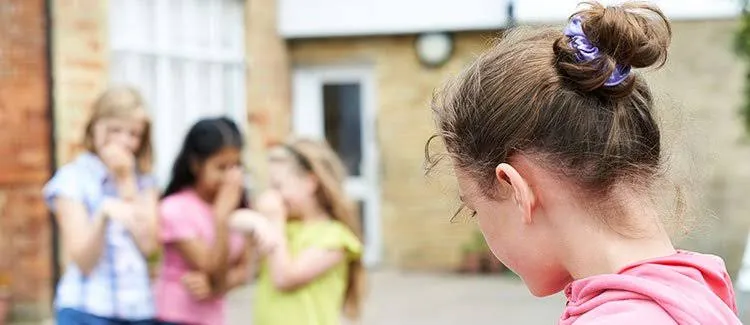
Children sometimes use broad statements to describe a specific event.
“They hate me.”
“Nobody lets me play.”
“I don’t have any friends.”
Those statements express how the child feels, but they may not describe the entire situation accurately. Rather than arguing with the conclusion, gently ask what happened before they felt that way.
Who were you playing with? What happened when you asked to join? Did someone say something? Has this happened before?
Specific questions help you understand whether your child experienced one disappointing interaction, a repeated friendship problem, or something more serious.
Don’t Turn Rejection Into a Judgment About Your Child
A difficult social experience can quickly become a statement about identity.
A child who is left out may begin thinking, “Nobody likes me because something is wrong with me.” That belief can be much more damaging than the original event because it changes how the child sees future friendships.
Help your child separate what happened from what it means about them. Not being invited somewhere does not automatically mean they are unlikeable. One argument does not prove they cannot make friends. Even when a child has made a social mistake, that behavior can be changed without treating the child as the problem.
The conversation should leave room for both possibilities: sometimes other people behave unfairly, and sometimes there are social skills a child still needs to develop.
Help Your Child Figure Out What They Can Do
Once your child has had time to talk about what happened, move toward practical options.
If they want to join a group, could they approach one child rather than the whole group? Could they suggest an activity? Is there another classmate they connect with more easily? Would it help to practice what they might say before the next situation?
These small strategies can give children a sense of control. They may not change what another child chooses to do, but they can change how your child responds.
For younger children especially, role-playing can be helpful because social situations often move too quickly for them to think of a response in the moment.
Teach Them That Not Every Door Will Open
One difficult lesson of growing up is that children cannot make every person want to be their friend.
That can sound harsh, but learning this does not mean accepting poor treatment. It means helping children understand that rejection is sometimes part of relationships, and that they can choose where to invest their energy.
A child who is repeatedly trying to gain acceptance from people who clearly do not want to include them may begin feeling increasingly powerless. Helping them notice other people who are more welcoming can shift the focus from “How do I make them like me?” to “Where do I feel comfortable being myself?”
That is a much healthier foundation for friendships.
Give Your Child Other Places to Connect
One friendship group should not become the measure of a child’s entire social world.
Children can benefit from relationships built through sports, hobbies, neighborhood activities, extended family, clubs, or other shared interests. These settings can provide opportunities to meet people with similar interests and experience successful social interactions outside the situation that is currently causing stress.
Parents do not need to fill every afternoon with activities. Even one additional place where a child feels comfortable and included can make a meaningful difference.
Know When Adults Need to Step In
Not every experience of exclusion requires an adult to intervene directly. Children need opportunities to work through ordinary disagreements and social disappointments on their own.
There are situations, however, where parents should take a closer look. Repeated exclusion, humiliation, threats, harassment, or behavior that makes a child feel unsafe is different from an occasional disagreement between friends.
It is also important to pay attention when your child starts avoiding school, withdrawing from activities, losing interest in things they normally enjoy, or becoming increasingly distressed about social situations. At that point, talking with teachers or other trusted adults can help clarify what is happening.
Helping Your Child Feel Secure Again
Social exclusion can make children question where they fit in. What they need from parents is not a promise that nobody will ever reject them. They need to know that one difficult experience does not determine their value.
Listen before solving. Help them understand what happened without turning one event into a judgment about themselves. Give them practical ways to approach future situations, while also teaching them that healthy friendships should include respect and a sense of belonging.
Children will not avoid every experience of rejection as they grow. What parents can help them build is the confidence to recover when it happens and the judgment to recognize relationships in which they are genuinely welcomed.



