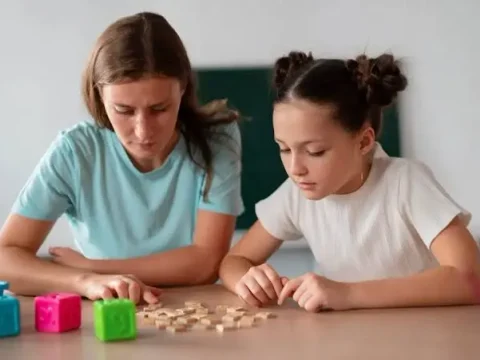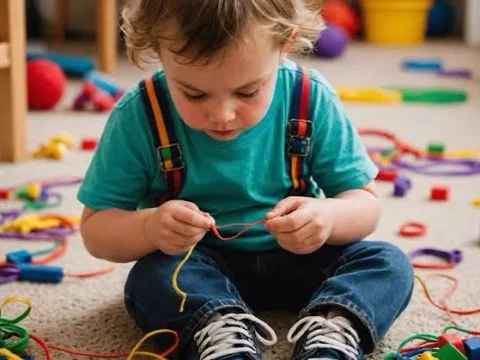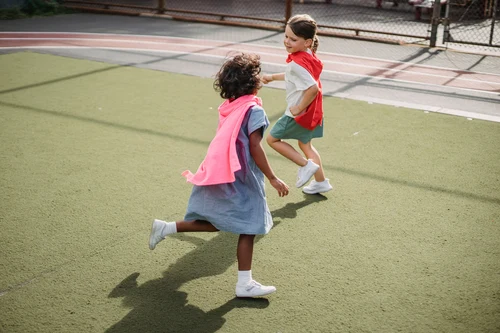
I still remember the playground where my daughter, then five, stood frozen by the slide while two other kids laughed and ran past her. She dug her chin into her chest and wouldn’t look at me. I knelt down and whispered, “Do you want to go say hi?” She shook her head, and I felt that old familiar ache. I was that kid too. The one who never knew what to say. My partner and I are both introverts, and watching her struggle made me wonder if I had passed on some invisible weight. But here’s what I’ve learned since: shyness isn’t a flaw we need to scrub away. It’s a starting point we can work with, gently and on their timeline.
Why Does My Child Hide Behind Me When People Say Hello?
Your child isn’t being rude and they aren’t broken. They are overwhelmed. When a friendly neighbor leans in with a big smile and a “How are you today?” the child’s brain might register it like a sudden spotlight on a dark stage. That freeze response is protective, not personal. Many kids, especially those with a cautious temperament, need extra time to read a social situation before they feel safe enough to join it. I remember asking my son, now nine, what it felt like when someone he didn’t know talked to him. He said, “My words get stuck in my throat and my face gets hot.” That’s not defiance. That’s a nervous system doing its job.
The mix-up many of us make is labeling the child as “shy” instead of describing the feeling. “He’s shy” sounds permanent, like a fixed identity. “He’s feeling shy right now” leaves the door open for change. This tiny shift changed how I talked about my kids, and it changed how they started to see themselves. They stopped hearing a verdict, and started hearing a weather report. “Right now it’s shy out. Might clear up later.”
How to Help a Shy Child Socialize Without Making It Worse
Pushing a child to speak before they’re ready can backfire. It can turn a passing feeling into a power struggle that reinforces the fear. So what actually works? I started by being the bridge, not the boss. When someone greeted us, I’d kneel beside my daughter and say, “Mr. Tom said hello. Do you want to wave or just stay close to me?” Giving her a low-pressure option, even just clinging tighter to my hand, let her stay in control. She often chose a tiny finger wave from behind my hip. That was enough. A win.
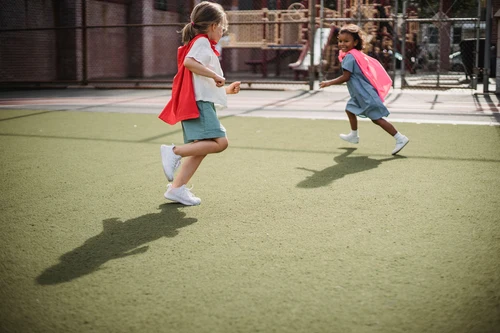
Next, I started rehearsing scripted interactions at home, but I made them feel like a game. We’d play “store” where I was the cashier and she had to buy a pretend apple. “Hi, what can I get for you?” I’d say, and she’d whisper, “Apple please.” We did it until her whisper got a little louder. Then we took that script to a real corner store. I walked with her to the counter, let her hold the dollar bill, and she mumbled “apple please” to a real human. The cashier, bless her, just smiled and handed over a shiny red apple. My daughter walked out of there like she’d won a trophy. We celebrated with a fist bump. That was the start of the Micro-Errand Method.
The Micro-Errand Method: How to Help a Shy Child Socialize, One Tiny Step at a Time
The idea is simple: break down a social task into the smallest possible steps and let your child master each one with you as their safety net. Think of it like learning to ride a bike with training wheels that come off one at a time, not all at once.
Step 1: You do the talking, they just stand next to you. They witness a friendly exchange. Step 2: They hand over the money or the item while you say the words. Step 3: They say one word, like “hi” or “thanks,” while you handle the rest. Step 4: They say a full sentence while you stand right behind them. Step 5: They complete the errand alone, and you wait by the door.
We used this everywhere. At the library, I’d ask my son, “Can you do the check-out beep for me?” He just had to scan the books while the librarian smiled. No talking required. Then I upgraded him to saying “thank you” as we left. Eventually, he asked the librarian where the dinosaur books were. It took months, but the scaffold held.
For the 5-Year-Old: The Assistant Role
Younger kids often feel safer in a helper role. Instead of asking my daughter to “go play with the other kids,” I’d say, “Can you be my assistant and help me find two pinecones for our nature table?” This gave her a mission with a clear, non-social purpose. While she searched, she’d end up in close proximity to other children. Sometimes they’d start doing the same task beside her. No forced conversation, just parallel play. She’d glance over, maybe smile, and that was the seed.
Another way: I’d bring a toy that invited interaction without demanding it. A bubble wand. I’d blow bubbles and my daughter would chase them. Soon another child would chase them too. They’d bump into each other, laugh, and suddenly they were playing together. No “what’s your name?” needed. The bubbles did the talking.
For the 9-Year-Old: The Scout Role
Older kids need a sense of independence, even if they’re anxious. I started giving my son small, solo missions that played to his strengths. He’s great at observing and remembering details. So I’d say, “Can you scout out the playground and report back which swing is the least squeaky?” He’d walk over, assess the swings, and come back with a detailed report. This got him physically near other kids without the pressure to join them. After a few minutes, he’d often wander into a game of tag because the barrier had melted.
We also practiced phone calls to family members. First, I’d dial and hand him the phone with a script: “Just say, ‘Hi Grandma, I made a Lego tower.’” He’d say the line and hand the phone back. Then he’d take a question or two. Now he can call and ask her about her garden. It’s a muscle he built one rep at a time.
FAQ: Common Questions About Helping a Shy Child Socialize
How can I help my shy child socialize at a birthday party?
Arrive early when the space is quiet and only a few kids are there. Let your child pick a spot to hang out with you first. Bring a simple activity, like a sticker book, that other kids might drift over to see. No pressure to join the chaos. Sometimes just being there and watching is enough for round one.
Is it okay if my child plays alone and doesn’t want to join the group?
Absolutely. Forcing group play before a child feels ready can increase anxiety. Parallel play, where they do the same activity near others without direct interaction, is a valid step. It’s like stretching before a run. Some kids need more stretching. Honor that.
What if other parents judge my shy child or call them rude?
I’ve learned to give a calm, brief redirect: “She’s warming up. It takes her a little time.” I never apologize for my child’s temperament in front of them. Kids hear those apologies as confirmation that something is wrong with them. Instead, I say, “We’re still charging our social battery. We’ll say hi when we’re ready.” It models self-acceptance.
How can I help my shy child socialize at school if I’m not there?
Set up low-stakes playdates with one child at a time, preferably at your home or a familiar playground. Keep them short, 45 minutes to an hour. Start with a structured activity like making slime or decorating cookies, something with a shared goal but minimal talking. Then debrief afterward: “What was the best part of baking with Sam?” This builds a positive memory bank.
One Last Thing
You know that tight feeling in your chest when your child hides and the other parent’s smile falters? I’ve lived in that moment a hundred times. But I’ve also watched my daughter, now older, walk up to a new kid at the park and ask, “Do you want to dig for worms with me?” It happened in her own time, not mine. Your quiet child is not missing out on life. They’re just watching it carefully before they step in. And when they do, they’ll carry a thoughtfulness that the loudest voices in the room often lack. You are not fixing them. You are handing them a lantern and walking beside them until the path feels familiar.