
Some children naturally walk into a room and start talking.
Others stay close to their parents and quietly observe.
They may hide behind a parent.
They may avoid joining group activities.
They may need extra time before feeling comfortable.
Many parents worry:
“Is my child too shy?”
“Will they have trouble making friends?”
“Should I push them to be more social?”
The answer is usually not forcing children to become outgoing.
Instead, children need support building confidence at their own pace.
Why Are Some Children More Shy Than Others?
Shyness is often part of a child’s temperament.
Some children are naturally more cautious.
They like to observe before participating.
They need more time to feel safe in new environments.
This does not mean they lack social ability.
Many shy children develop strong friendships once they feel comfortable.
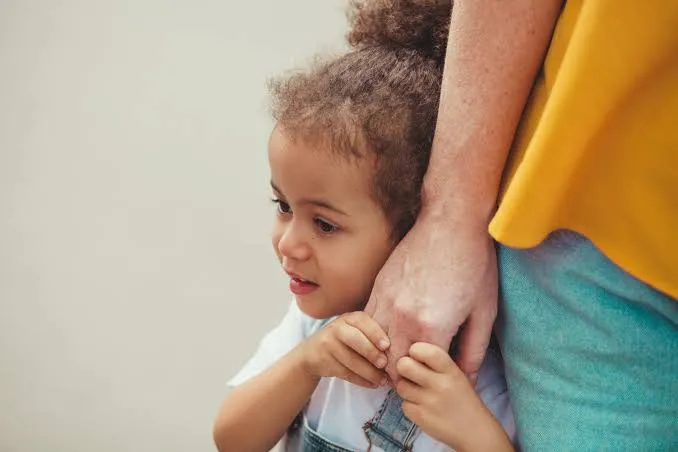
Avoid Labeling Your Child as “Shy”
One common mistake parents make is repeatedly saying:
“My child is shy.”
Even if it is true, children may begin to see it as part of their identity.
Instead, try describing the situation:
“You like to watch first before joining.”
This shows understanding without limiting their self-image.
Give Children Small Social Challenges
Social confidence grows through experience.
Instead of forcing a child into a large group, start with smaller steps.
Examples:
- Saying hello to a neighbor
- Asking a simple question
- Playing with one new child
- Joining a familiar activity
Small successes build confidence.
Teach Social Skills Through Practice
Some children are not avoiding others.
They simply do not know how to start.
Parents can practice simple phrases:
“Can I play with you?”
“What’s your name?”
“Do you want to play together?”
Role-playing at home can make social situations feel less stressful.
Support Without Taking Over
When children struggle socially, parents often want to solve everything.
But children also need opportunities to practice.
Offer support.
Stay nearby.
Give encouragement.
But allow them to take small steps independently.
Confidence Comes From Feeling Capable
The goal is not to change a quiet child into the loudest person in the room.
The goal is helping children feel comfortable being themselves.
A socially confident child is not necessarily the most talkative.
They are children who believe:
“I can connect with others.”
“I can try something new.”
“I can handle uncomfortable moments.”
Helping a Shy Child Takes Patience
Every child develops social confidence differently.
Some children need more time.
Some need more practice.
Some need reassurance.
With patience and encouragement, shy children can learn valuable social skills while still keeping their own personality.
Because being quiet is not a weakness.
Confidence comes from feeling accepted and supported.