
A board game winds down at the dining table, and the moment the final token is moved, your child bursts into tears. A Saturday morning soccer game doesn’t go their way, and suddenly they are slamming their equipment, furious at the referee, their teammates, and the world.
They insist the rules were unfair, that everyone cheated, or that they deserved to win.
Most parents know this excruciating moment all too well. The reaction feels wildly disproportionate to the event itself. Your child isn’t just mildly disappointed; they seem completely shattered by the reality of losing.
It is easy for parents to feel frustrated. After all, losing is an inevitable part of life. No one gets the highest score every time, gets picked first for every team, or sees every scenario play out according to their personal script.
Yet, handling loss with grace is not an innate trait children are born with. It is an emotional muscle that must be patiently trained.
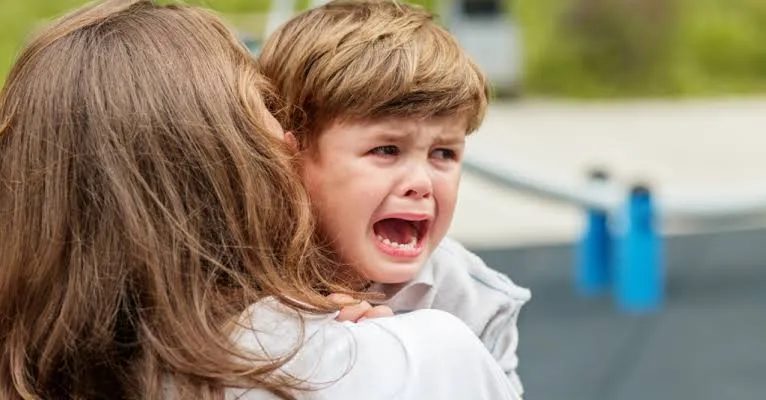
When Losing Threatens the Self
For many children, a loss is rarely just about the game itself. It cuts much deeper than a score.
In their minds, a loss isn’t a temporary outcome—it feels like a personal indictment. They aren’t thinking, “I lost this round.” They are internalizing thoughts like:
“If I lost, it means I’m not good at anything.”
“Everyone is going to laugh at me or think less of me.”
“I put in effort, so I was entitled to win.”
When a child ties the outcome of a simple game directly to their personal worth, disappointment transforms into a perceived threat to their ego. That is why the emotional reaction looks less like sadness and more like a full-blown defense mechanism.
Soothe the Nervous System Before Teaching the Lesson
When a child is in the middle of a meltdown after losing, handing out a lecture on sportsmanship or lecturing them about being a “good sport” almost always backfires.
In that moment of high distress, their brain is in fight-or-flight mode. They cannot process logic, reason, or moral lessons.
Your first job is simply to help lower the emotional temperature. Validate their internal experience without validating the bad behavior.
“You really wanted to win that game, and it feels incredibly disappointing when things don’t turn out the way you hoped.”
Once the surge of adrenaline fades and the emotion shrinks back down to a manageable size, the child enters a receptive state. Only then can you talk through what happened and explore healthier ways to process the frustration.
Practice Loss in Low-Stakes Environments
Children build emotional resilience through low-friction, repeated exposure.
Family game nights at home offer a safe testing ground for navigating disappointment. The goal isn’t to deliberately engineer constant losses for your child, nor is it to let them win every time just to keep the peace. The goal is to provide a safe container where they can experience small, manageable doses of defeat and practice what comes next.
Through gentle modeling, children can gradually adopt a new internal dialogue:
“I didn’t win this time, and that’s okay.”
“I feel disappointed, but I can handle this feeling and try again later.”
“I can enjoy the fun of playing even if I’m not the one holding the trophy.”
Shifting a child’s relationship with failure takes time and consistent patience. But with the right guidance, they learn that losing isn’t the end of their world—it is simply a stepping stone toward genuine resilience.



