
One child grabs a toy. The other screams. Someone insists they had it first, someone else says they were provoked, and before long both children are talking at the same time.
Sibling conflict can be one of the most exhausting parts of family life because it rarely stays about the original problem. A disagreement over a game can quickly become a list of old complaints, accusations, and arguments about who started what.
Parents often feel they have no choice but to become the referee. But deciding who wins every argument does not necessarily help children learn how to handle the next one.
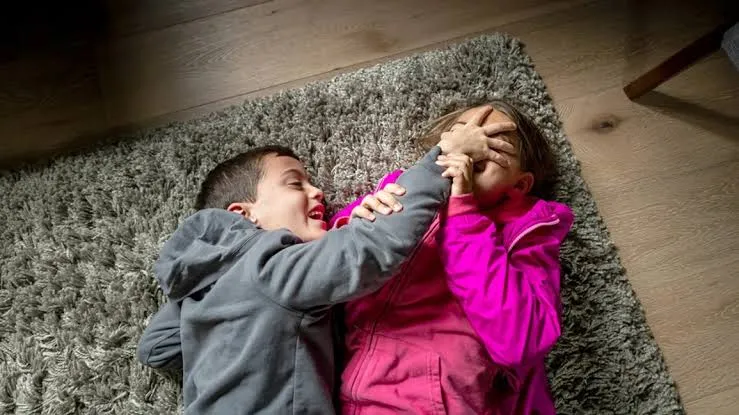
Not Every Argument Needs an Adult Solution
Siblings will disagree. They share space, attention, belongings, routines, and sometimes the same friends. They are also still learning how to negotiate and manage frustration.
That means some arguments can be left for children to work through.
A child saying, “That’s my turn,” is very different from one child repeatedly hitting or threatening another. Before stepping in, ask yourself whether this is a disagreement, or whether someone actually needs protection or adult help.
That distinction can stop parents from becoming involved in every small conflict.
Step In When the Problem Has Crossed a Line
There are situations where parents should intervene immediately.
These may include:
- hitting, kicking, or deliberately hurting someone
- threats that make a child feel unsafe
- one child repeatedly targeting another
- a large difference in size, age, or power
- conflict that keeps escalating despite attempts to stop it
In these situations, the priority is not teaching a lesson. Separate the children, make things safe, and let everyone calm down first.
The deeper conversation can happen later.
Don’t Spend the Whole Conversation Figuring Out Who Started It
Children are often very invested in proving who was responsible.
“He took it first.”
“She said it first.”
“But he pushed me.”
Sometimes those details matter, but turning every sibling fight into a full investigation can keep everyone focused on defending themselves rather than solving the problem.
Instead, once everyone is calm, look at each child’s part in the situation. One child may have taken the toy, another may have screamed, and both may need to do something differently next time.
That is a more useful lesson than simply identifying the child who was “wrong.”
Give Them Better Words to Use
Children often need help with what to say before they are able to handle conflict independently.
Practice simple phrases during calm moments:
- “I was using that. Can I have it when you’re done?”
- “I don’t like that.”
- “Stop. I want some space.”
- “Can we take turns?”
- “I need help figuring this out.”
You are not expecting children to speak perfectly during every argument. You are giving them alternatives to grabbing, shouting, or hitting.
Don’t Demand Instant Friendship After a Fight
Parents often want to close the conflict quickly. “Say sorry.” “Now hug your sister.” “Come on, be nice.”
But emotional repair does not always happen on command.
Sometimes a child needs time before they are ready to apologize sincerely or talk about what happened. Once they are calmer, help them think about what would repair the situation: returning something, apologizing, giving the other child space, or agreeing on how they will handle the next turn.
The goal is not to make them look friendly immediately. It is to help them understand how relationships recover after conflict.
Watch for a Pattern
Frequent sibling arguments are not automatically a serious problem. The larger question is whether the relationship has become consistently hostile.
Pay attention when:
- one child seems to be targeted repeatedly
- one child is regularly excluded or intimidated
- fights happen around almost every shared activity
- one child begins avoiding the other
- conflict is affecting sleep, school, or family routines
When that happens, parents may need to look at the relationship itself rather than simply managing the latest argument.
What Children Eventually Need to Learn
Siblings do not need to agree all the time. They will annoy each other, compete, and sometimes say things they regret.
What they need to learn is that conflict can be handled without humiliation, threats, or physical aggression. They can disagree, protect their own space, listen to another perspective, and eventually move on.
Parents do not need to referee every disagreement. Sometimes the most useful role is teaching children how to become better at handling the next one themselves.



