
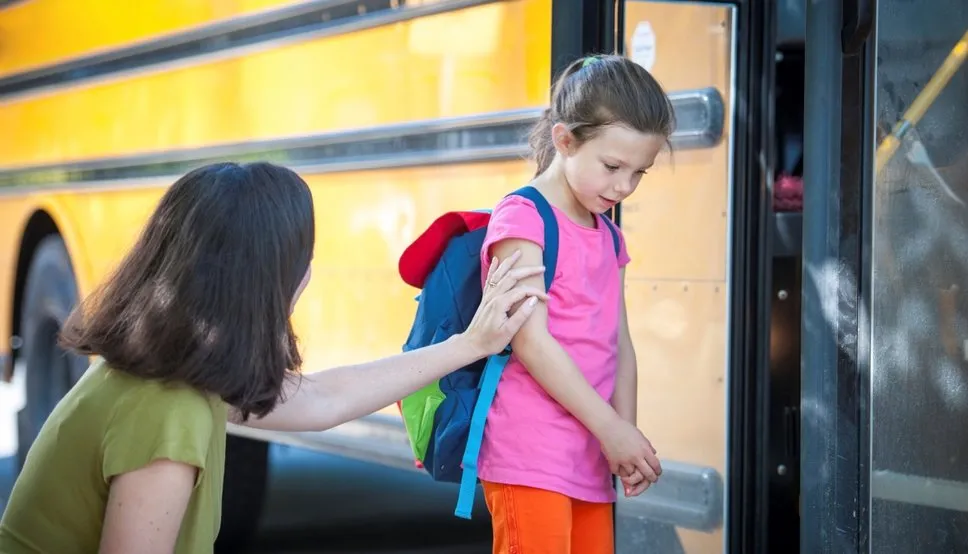
It is 7:30 in the morning, and your child is still sitting on the edge of the bed, refusing to get dressed. They complain of a stomachache, ask whether they can stay home, or suddenly remember several reasons why they cannot go to school today. You reassure them that everything will be fine, but your child becomes more upset as the time to leave approaches.
When school anxiety becomes a regular part of family life, mornings can quickly turn into a struggle between a worried child and an increasingly frustrated parent. It is tempting to assume that the child is being difficult or trying to avoid responsibility. However, school anxiety can have several underlying causes, and understanding them is often the first step toward helping your child.
Find Out What Your Child Is Worried About
A child may say they hate school without being able to explain exactly why. They might be worried about making mistakes in class, being called on unexpectedly, dealing with a difficult friendship, or spending the day away from home. Some children worry about several things at once and experience the anxiety as a general feeling that something bad might happen.
Choose a calm time to talk rather than asking a long list of questions while everyone is rushing out the door. You could say, “I’ve noticed that getting ready for school has felt harder lately. What part of the day feels the most difficult for you?”
Listen without immediately correcting the child’s worries. If they say nobody likes them or they are afraid of getting every question wrong, resist the urge to tell them that they are worrying over nothing. Ask a follow-up question and try to understand what they have experienced, what they expect to happen, and what would help them feel more prepared.
Look for Patterns in When the Anxiety Appears
Understanding the timing can help you narrow down the problem. A child who worries mainly on Sunday evenings may be anticipating the school week, while a child who becomes distressed before tests may be struggling with performance anxiety. Anxiety that increases after recess, lunch, or particular classes may point toward a social difficulty, a challenging subject, or another specific concern.
Pay attention to patterns such as:
- Anxiety that appears mainly before school or after weekends and holidays.
- Frequent stomachaches, headaches, or nausea around school mornings.
- Worry about teachers, classmates, tests, presentations, or making mistakes.
- Repeated requests for reassurance that something bad will not happen.
- Difficulty sleeping the night before school.
- A sudden change in attendance, mood, or interest in school.
These signs do not automatically mean that a child has an anxiety disorder. They provide useful information about what may be making school feel difficult and whether the problem needs additional support.
Make the Morning Routine Predictable
When a child is anxious, unexpected changes can make an already difficult morning feel even more overwhelming. A predictable routine can reduce the number of decisions and last-minute problems your child has to manage.
Prepare school clothes, backpacks, lunches, and other necessities the night before whenever possible. Use a simple morning checklist if your child struggles to remember what comes next, and build in enough time to avoid constant warnings about being late.
It also helps to keep your own instructions short and calm. Instead of repeatedly asking whether your child is ready, try a clear sequence such as, “First get dressed, then eat breakfast, and then we will leave together.” A routine will not remove every worry, but it can make the practical part of the morning less stressful.
Validate the Feeling Without Encouraging Avoidance
Parents naturally want to protect children from situations that cause distress. Letting a worried child stay home may feel like the kindest option, especially when they are crying or describing physical discomfort. However, when anxiety repeatedly leads to avoiding school, the child may miss opportunities to discover that they can handle the difficult situation with appropriate support.
You can acknowledge the fear while keeping expectations clear. For example, “I can see that you’re really worried about today. We are going to work through this together, and school is still part of the plan.”
This does not mean forcing a child into every situation regardless of their condition or safety. If there may be bullying, an unsafe environment, a medical issue, or another serious problem, address that concern rather than treating attendance as the only goal. The aim is to support manageable participation while understanding what is making school feel threatening.
Work With the School Instead of Handling Everything Alone
If anxiety keeps returning, the school may be able to help identify a problem that is difficult for the parent to see. A teacher may notice that the child becomes distressed during a particular activity, has difficulty joining peers, or worries excessively about completing work correctly.
Arrange a conversation with the teacher or school counselor and describe the patterns you have noticed. Ask whether the school has observed similar concerns and discuss practical support, such as a predictable arrival routine, a trusted adult the child can check in with, or a plan for handling a particularly stressful part of the school day.
Try to create a shared approach rather than asking different adults to respond in completely different ways. Consistent support can help the child know what to expect and make it easier to identify whether the current plan is helping.
Teach Your Child How to Handle Worry
Children do not have to eliminate anxiety before they can learn to cope with it. They can practice noticing worried thoughts, calming their bodies, and taking manageable steps even when they feel uncertain.
For example, help your child recognize the difference between “I feel nervous about my presentation” and “I am definitely going to embarrass myself.” The first describes a real feeling, while the second predicts a future outcome that may never happen.
You can also practice slow breathing, brief relaxation exercises, or positive preparation for a specific situation. If your child is afraid of presenting in class, they might first practice at home, then in front of one family member, before moving toward the classroom situation with appropriate support.
Praise specific coping efforts rather than insisting that the child should no longer feel afraid. “You were nervous, but you still asked your teacher for help” shows the child that progress means learning to respond to anxiety, not necessarily making anxiety disappear.
When School Anxiety Needs More Help
Occasional worry is a normal part of childhood, especially when school routines change or new challenges appear. However, persistent anxiety that disrupts attendance, sleep, friendships, academic participation, or everyday family life deserves closer attention.
Speak with a pediatrician or qualified mental health professional if your child repeatedly refuses school, experiences frequent physical complaints related to school mornings, has intense panic-like episodes, or continues to struggle despite consistent support. It is particularly important to investigate sudden anxiety when the child may be experiencing bullying, learning difficulties, a significant stressful event, or another problem that needs specific attention.
Helping a child manage school anxiety is rarely about finding the perfect reassuring sentence. It involves understanding the fear, creating predictable routines, working with the school when needed, and helping the child build confidence through supported experiences. With a thoughtful plan, parents can take school mornings out of the center of the family conflict and focus on helping their child feel more capable of facing the day.



