
Many parents want their children to become independent, but finding the right balance can be challenging.
Some parents provide too much help because they want to protect their children from frustration.
Others expect independence before children are emotionally ready.
Healthy independence develops when children feel supported while having opportunities to try things themselves.
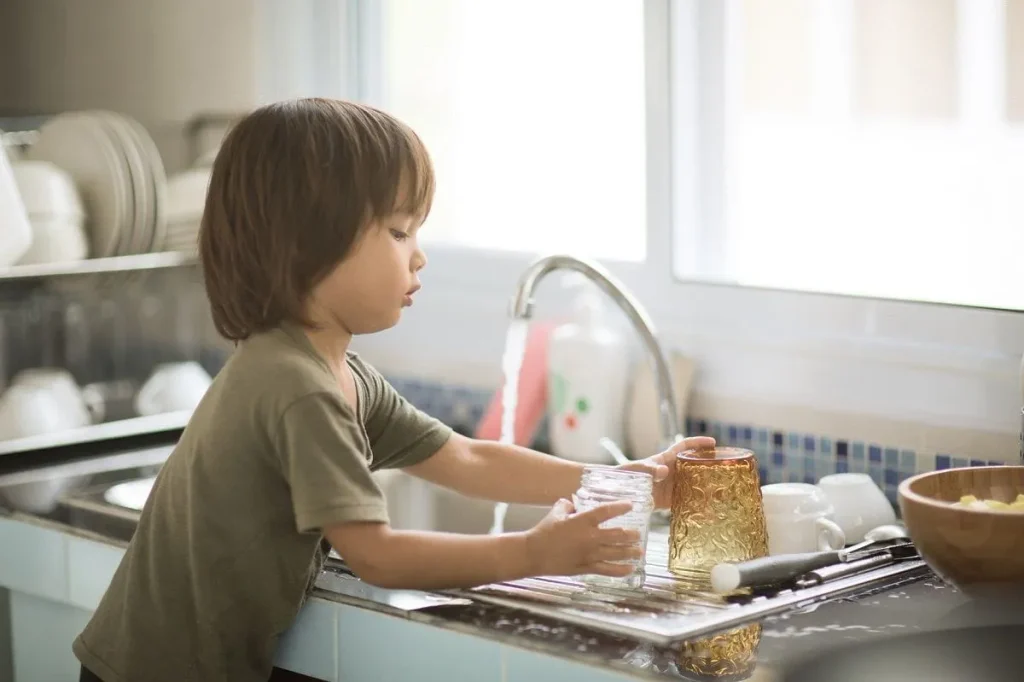
Give Children Age-Appropriate Responsibilities
Children develop independence through practice.
Simple responsibilities can help children feel capable:
- Organizing their belongings
- Making small choices
- Helping with household tasks
- Solving simple problems
These experiences teach children that they can contribute and handle challenges.
Allow Children to Make Mistakes
Mistakes are part of learning.
When parents immediately step in, children may miss opportunities to develop problem-solving skills.
Instead, parents can ask:
“What do you think you could try?”
“What other option do you have?”
This encourages children to think independently.
Provide Support Without Taking Over
Independence does not mean children should handle everything alone.
Children still need reassurance and guidance.
A supportive approach sounds like:
“I know you can try.”
“I’m here if you need help.”
“Let’s figure this out together.”
This creates confidence without creating dependence.
Respect Children’s Choices
Giving children small choices helps them develop decision-making skills.
For example:
“Would you like to wear the blue shirt or the green shirt?”
“Would you like to start homework before or after your snack?”
Small decisions help children practice responsibility.
Final Thoughts
Independent children are not created by parents stepping away completely.
They grow when parents provide both freedom and support.
By allowing children to try, make mistakes, and solve problems, parents help them develop skills that will support them throughout life.



