
Many parents struggle with discipline because they feel caught between two extremes. They do not want to be too harsh, but they also worry that being gentle will make their child ignore rules and boundaries.
When a child repeatedly refuses to listen, breaks rules, or shows challenging behavior, punishment can seem like the fastest way to regain control. However, punishment often focuses on stopping a behavior in the moment rather than helping children understand why the behavior happened and what they can do differently next time.
Effective discipline is not about making children feel bad for their mistakes. It is about helping them develop responsibility, self-control, and an understanding of how their choices affect themselves and others.
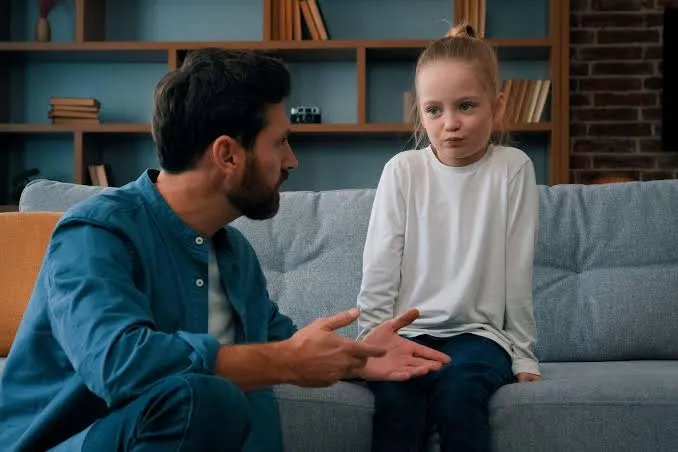
Understand the Difference Between Discipline and Punishment
Discipline and punishment may look similar on the surface, but they have different goals.
Punishment is usually focused on making a child experience a negative result because of their behavior. Discipline focuses on teaching. It asks questions such as: What caused this behavior? What skill does the child need to learn? How can the child make a better choice next time?
Children need guidance, not just consequences. When parents focus only on stopping unwanted behavior, children may learn to avoid getting caught rather than understanding the reason behind the rule.
Use Clear and Consistent Expectations
Children are more likely to cooperate when they understand what is expected of them. Many behavior problems happen because rules are unclear, inconsistent, or change depending on the parent’s mood.
Instead of saying, “Stop being difficult,” explain the specific expectation. For example, “We speak respectfully even when we are angry” gives children a clear standard they can understand.
Consistency is also important. A boundary that changes every time a child argues becomes difficult for them to take seriously.
Let Children Experience Natural Consequences
Children learn important lessons when they experience the results of their choices. Natural consequences allow them to understand cause and effect without parents needing to create additional punishment.
For example, if a child forgets something they needed for an activity, that experience can help them learn preparation. Parents can offer guidance afterward instead of immediately fixing every problem.
Of course, safety-related situations require adult intervention. The goal is not to let children struggle unnecessarily, but to give them appropriate opportunities to learn.
Correct the Behavior Without Attacking the Child
Children need to understand that a mistake does not define who they are. Statements about character, such as “You are lazy” or “You are selfish,” can make children feel judged rather than motivated to improve.
Focus on the action instead. “You left your responsibility unfinished” gives the child something specific to work on.
Separating the child from the behavior helps preserve the relationship while still addressing the problem.
Stay Connected During Difficult Moments
Children are often most in need of guidance when they are behaving poorly. A calm response does not mean ignoring the behavior. It means showing children that problems can be handled without fear or shame.
When children feel understood, they are often more open to learning from the situation.
Final Thoughts
Discipline without punishment does not mean allowing children to do whatever they want. It means replacing fear-based control with teaching, communication, and consistent guidance.
Children gradually develop self-control when parents help them understand emotions, choices, and consequences while maintaining a strong and respectful relationship.



