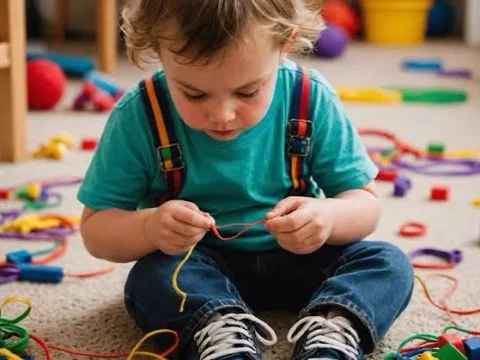
My 7-year-old had turned into a backtalk machine. Every request met with “no,” every reminder answered with a heavy sigh. I needed to figure out how to discipline a 7-year-old for talking back without turning our home into a battleground. If you’re here, you’re probably in the same cringe-inducing boat. I’d ask him to clear his plate and he’d snap “later.” I’d announce bedtime and he’d roll his eyes so hard I thought they’d get stuck. The disrespect felt personal, and my anger scared me. I didn’t want to yell. I definitely didn’t want to punish constantly. I just wanted the sass to stop, and I wanted to stop feeling so triggered.
Here’s the truth: backtalk is wildly normal at this age. Your child isn’t a monster, and you’re not a weak parent for feeling rage bubble up. But how do you cope with the talking back? How do you stop it? Those two questions kept me up at night. This is what finally helped.
Why Does My 7-Year-Old Talk Back So Much?
Kids this age are caught between wanting to be big and not having the words for big feelings. When my son muttered “I’ll do it later” instead of putting his shoes on, he wasn’t plotting against me. He was overwhelmed by the transition. He felt a loss of control and the backtalk was his clumsy attempt to grab some power back. It wasn’t a planned rebellion. It was a reflex, like a door slamming shut when a storm blows through. Their brains are still wiring up impulse control, and they often blurt out what they feel before they think about how it sounds. That eye roll? It’s a seven-year-old’s way of saying “I hate this feeling and I don’t know what to do with it.” Understanding that dialed down my own anger just a notch.
How to Discipline a 7-Year-Old for Talking Back: 5 Shifts That Actually Work
Stopping the sass isn’t about finding the perfect consequence. It’s about shifting how you respond in the heat of the moment and what you model every day. The keyword here is consistency, not intensity.
Shift 1: Model the Tone You Want to Hear
Kids are little copy machines. If I bark “Pick up your Legos NOW,” my son learns that barking is how you get things done. I had to catch myself. The next time I felt the order rising in my throat, I paused and said, “Hey, the floor needs to be clear so no one trips. Let’s do a five-minute power clean together.” It felt unnatural at first. But after a week, my son started mirroring that calmer, more cooperative tone. When he did talk back, I’d say quietly, “Let’s try that again. How can you say that more kindly?” I was modeling the re-do I wanted him to learn.

Shift 2: Offer a Choice Before the Fight Starts
Backtalk often flares up when kids feel trapped. Instead of “Time to leave, get your shoes on,” I started saying, “We’re leaving in five minutes. Do you want to put your shoes on now or after you finish that drawing?” It gives him a sense of control. The refusal rate dropped. He still grumbled sometimes, but the outright “no” melted into a resigned “fine.” He was still asserting himself, just without the dagger attached.
Shift 3: Pause Before You React (Your Coping Anchor)
This is how I cope with the talking back when it does land. That jolt of fury is real. I’d feel my hands clench. So I made a deal with myself: I don’t have to fix it in that second. I can take a breath. I can say, “Ouch. That hurt my feelings. I need a minute.” Then I’d walk into the kitchen and grip the counter. That tiny pause kept me from yelling. It also showed my son that his words have impact. Sometimes he’d follow me and say, “Sorry, Mom.” Other times he didn’t. But I wasn’t adding fuel to the fire, and that was half the battle.
Shift 4: Build Connection Before Correction
A kid who feels connected is less likely to turn every request into a war. I started doing ten minutes of one-on-one time right after school, no screens, just drawing together or listening to him talk about his day. When he felt seen, the sass softened. He still had opinions, but he delivered them with fewer thorns. I wasn’t just disciplining anymore. I was rebuilding the bridge.
Shift 5: Keep the Boundary Clear and Kind
Even with all this, there were still moments of outright disrespect. When my son slammed his cup down and growled “I won’t,” I didn’t ignore it. I said calmly, “That’s not a respectful way to speak to me. When you’re ready to talk kindly, I’m here.” Then I turned away. He knew the boundary hadn’t moved. The consequence was natural: our chat stopped until he reset. I didn’t need to assign an extra punishment. The connection itself was what he wanted, and losing it stung more than any time-out.
The “Try Again” Script: A Simple Discipline Tool for Talking Back
I gave this tool a name because I needed something to cling to in the chaos. The “Try Again” script works like this: When your child talks back, you don’t lecture. You look them in the eye, keep your voice low, and say, “Let’s try that again.” Then you model the words you wish they’d used. For example:
Child: “Ugh, I’ll do it later!”
You: “Let’s try that again. How about, ‘Can I have five more minutes to finish this, and then I’ll clean up?’”
It felt ridiculous the first few times. But my son caught on. He realized I wasn’t going to fight, but I also wasn’t going to accept the sass. He had to rephrase. It turned discipline into a do-over instead of a punishment. That tiny script became our reset button.
How to Use the Script During Transition Battles
The script saved us most at clean-up time and when heading out the door. I’d say, “Shoes on, we’re leaving in two minutes.” If he snapped “No!”, I’d kneel down and say softly, “Let’s try that again. You can say, ‘I’m not ready yet. Can I have a minute?’” The first week, he’d grumble through it. By the third week, he started using those words on his own. He even asked politely twice. I almost fell over.
Frequently Asked Questions About Disciplining a 7-Year-Old Who Talks Back
Is talking back normal for a 7-year-old?
Yes, absolutely. At this age, kids test limits to learn where the lines are. They also lack the full vocabulary to express frustration kindly. It’s not a sign of a bad kid, just a developing one.
What’s the best way to discipline a 7-year-old for talking back?
Focus on connection and modeling. Use scripts like “Try Again” to teach respectful phrasing. Consequences should be immediate and related, like pausing an activity until kind words return. Harsh punishments often make the sass sneakier.
How can I stop myself from yelling when my child talks back?
Give yourself a physical pause: take a deep breath, walk to another room for 30 seconds, or whisper “I’m angry, I need a moment” out loud. You’re teaching your child that strong feelings can be managed without exploding. That’s a huge part of the discipline lesson.
What if the backtalk is happening in public?
Keep the same calm script. Kneel down, lower your voice, and say, “We’ll talk about this at home. Right now, let’s just get through the checkout line together.” Don’t embarrass them. Save the teaching moment for private, where they’re not on stage.
One Last Thing
That morning I stood in the hallway, furious and shaky while my 7-year-old stomped past me, I honestly thought I was failing. I wasn’t. Your child is not broken. You are not broken. Learning how to discipline a 7-year-old for talking back is really about learning how to speak to each other with respect, even when you’re both messy with feelings. It’s a slow, stumbling dance, and you’re both still learning the steps. The backtalk will fade as his brain grows, but the way you hold the line with kindness will stay.