
Jealousy is a common emotion during childhood. Parents may notice it when a new baby arrives, when siblings receive attention, or when children compare themselves with friends.
A child may say things like:
“Why do they get more than me?”
“You like them better.”
“It’s not fair.”
These moments can be challenging for parents because jealousy often appears as anger, complaining, or negative behavior.
However, jealousy is usually connected to a deeper feeling: the fear of not being important enough.
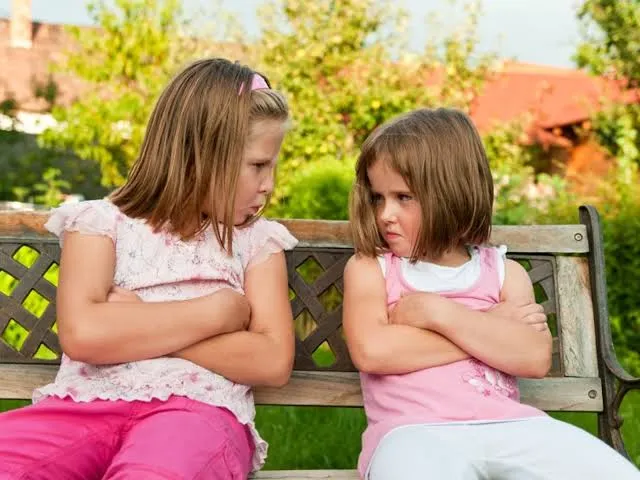
Children Often Need Reassurance Before Correction
When a child feels jealous, parents may quickly respond:
“Don’t be jealous.”
“You should be happy for them.”
Although these responses are understandable, they may cause children to feel that their emotions are unacceptable.
Instead, parents can acknowledge the feeling first:
“It looks like you wish you had that too.”
“I understand that it feels difficult when someone else gets attention.”
When children feel understood, they are more able to manage their emotions.
Jealousy Can Be Connected to Comparison
Children naturally compare themselves with others as they develop their sense of identity.
They notice:
- Who gets praised
- Who learns faster
- Who receives more attention
The problem is not comparison itself. The challenge is when children begin believing that someone else’s success means they are less valuable.
Parents can help by focusing on individual growth rather than competition.
Instead of saying:
“Your brother is better at this.”
Try:
“You are improving because you keep practicing.”
Help Children Build Their Own Sense of Value
Children develop confidence when they understand that their worth is not based on being the best.
Parents can encourage them to notice:
- Their effort
- Their progress
- Their unique strengths
- Their ability to learn
This helps children develop a healthier relationship with themselves and others.
Final Thoughts
Jealousy is not a sign that a child is selfish or unkind.
It is an emotion that children need help understanding. When parents respond with empathy and guidance, children can learn to handle difficult feelings and build stronger emotional skills.



