
Many parents face this situation:
Your child hurts someone’s feelings.
They make a mistake.
You ask:
“Can you say sorry?”
But your child refuses.
They may:
- Stay silent
- Say “I don’t care”
- Blame someone else
- Walk away
Parents often feel frustrated:
“Why can’t my child admit they were wrong?”
“How can I teach my child empathy?”
Understanding why children resist apologies can help parents respond more effectively.
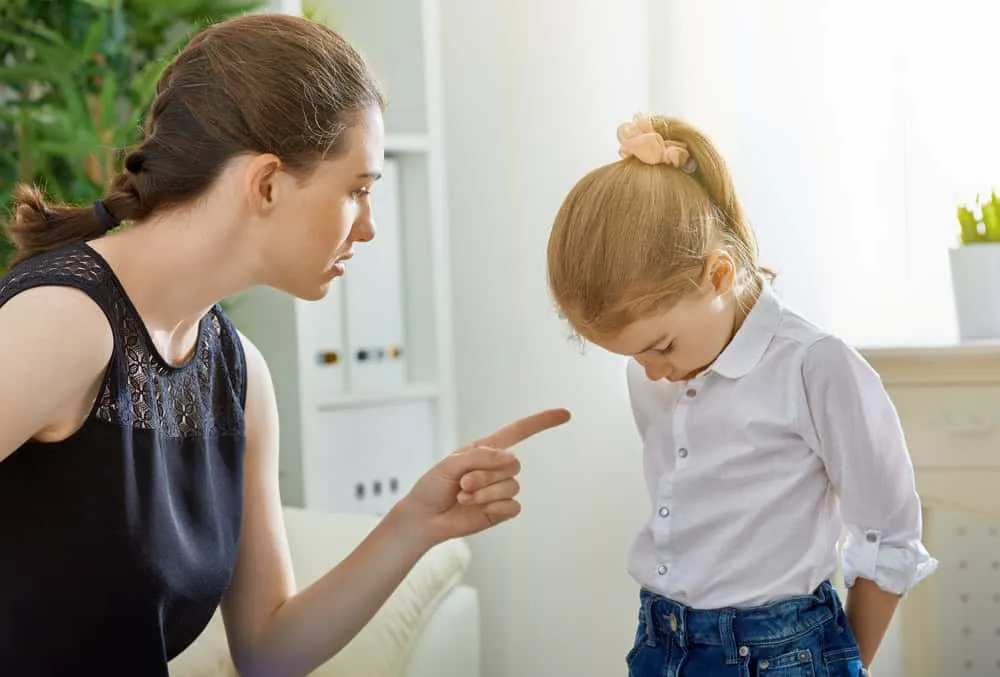
Saying Sorry Requires Emotional Skills
For adults, apologizing may seem simple.
For children, a genuine apology requires several skills:
- Understanding another person’s feelings
- Accepting responsibility
- Managing embarrassment
- Admitting mistakes
These abilities develop gradually.
Some Children Avoid Apologizing Because They Feel Ashamed
A child may think:
“If I say sorry, I am a bad person.”
They may avoid apologies because they want to protect themselves from uncomfortable emotions.
Parents can help children understand:
“You made a mistake, but you are not a bad person.”
Teach Repair Instead of Forced Apologies
A forced “sorry” may not teach empathy.
Instead, parents can ask:
“What happened?”
“How do you think they felt?”
“What can you do to make things better?”
Repairing harm helps children understand responsibility.
Model Healthy Apologies
Children learn from watching parents.
When adults say:
“I was wrong.”
“I should have handled that differently.”
“I’m sorry.”
children learn that apologies are a normal part of relationships.
Give Children Time to Process
Some children need a moment before they can apologize sincerely.
Allowing time can help them move from defensiveness to understanding.
Final Thoughts
A child who refuses to apologize is not necessarily lacking kindness.
They may still be developing emotional awareness and responsibility.
With guidance, children can learn that apologies are not about shame — they are about repairing relationships.



