
Every parent has experienced moments like these:
A toy breaks, and your child cries for a long time.
A small change in plans leads to a huge emotional reaction.
A simple mistake turns into frustration and anger.
Parents may think:
“Why is my child making such a big deal out of this?”
“Why can’t my child calm down?”
However, children’s reactions are often connected to how they experience emotions, not just the situation itself.
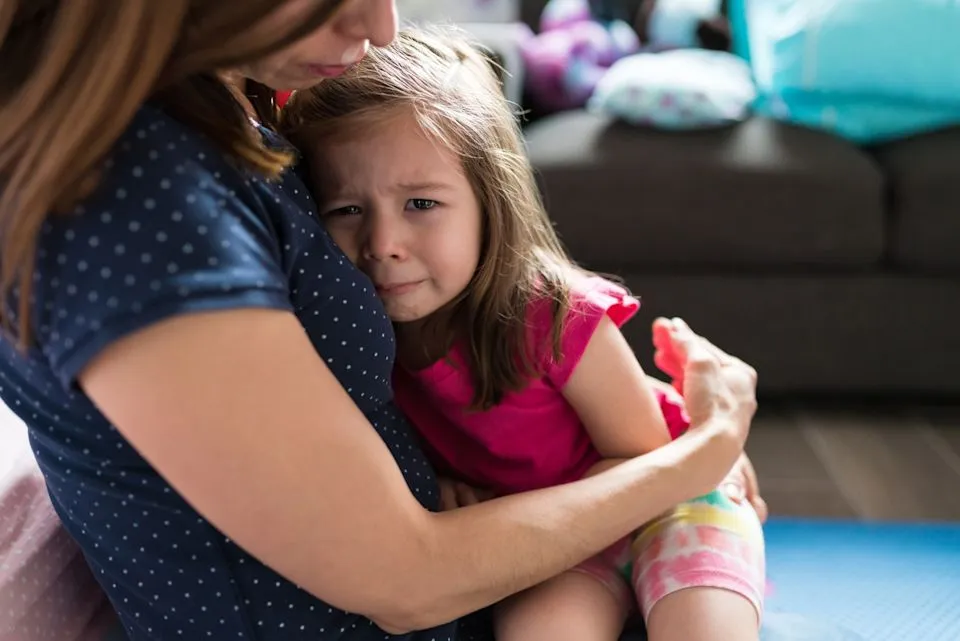
Small Problems Can Feel Big to Children
Children do not always have the same emotional perspective as adults.
A problem that seems small to a parent may represent something much bigger for a child.
For example:
A lost toy may represent losing something important.
A mistake may feel like failure.
A change in routine may feel uncertain.
Children are still learning how to understand and manage these feelings.
Emotional Skills Develop Over Time
Adults often have years of experience handling disappointment.
Children are still learning:
- How to calm themselves
- How to express frustration
- How to solve problems
- How to accept changes
Emotional regulation is a skill that requires practice.
Avoid Focusing Only on Stopping the Behavior
When a child is upset, parents may immediately say:
“Stop crying.”
“Calm down.”
“It’s not a big deal.”
Although parents usually mean well, children may feel that their emotions are being rejected.
Instead, try:
“I can see this feels really difficult.”
“You are upset because something changed.”
“Let’s figure out what we can do.”
Teach Children Ways to Handle Strong Feelings
Children need practical tools.
Parents can teach:
- Taking deep breaths
- Naming emotions
- Taking a short break
- Asking for help
- Thinking about solutions
These skills become stronger through repeated practice.
Stay Calm During Emotional Moments
Children often learn emotional regulation by watching adults.
When parents respond calmly, children learn:
“Big feelings can be handled.”
“Difficult moments can pass.”
“I can recover.”
Final Thoughts
A child who reacts strongly to small problems is not necessarily being dramatic.
They may simply need support learning how to manage emotions.
With patience and guidance, children can develop stronger emotional skills and confidence.



