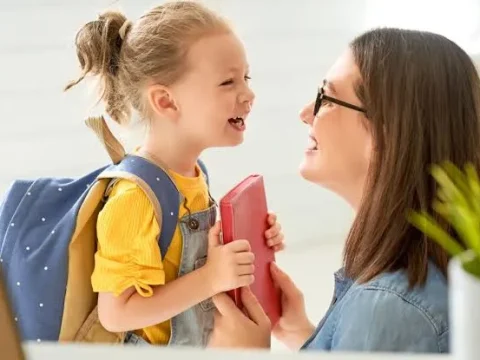
Some children ask the same questions again and again:
“Do you still love me?”
“Are you proud of me?”
“Will you stay here?”
“Did I do it right?”
At first, parents may respond patiently.
But after hearing these questions repeatedly, they may start wondering:
“Why does my child need so much reassurance?”
“Why doesn’t my child trust themselves?”
This behavior is often connected to emotional security rather than simply seeking attention.

Reassurance Helps Children Feel Safe
Children are still developing their understanding of relationships.
When they ask for reassurance, they may be trying to confirm:
- They are loved
- They are accepted
- They are safe
- They are doing okay
For children, repeated questions can be a way of checking their emotional connection with parents.
Some Children Need More Emotional Support Than Others
Every child has a different temperament.
Some children naturally:
- Worry more
- Notice changes quickly
- Think deeply about situations
- Need more encouragement
Needing reassurance does not mean a child is weak.
It may simply mean they are still learning how to feel secure independently.
Avoid Making Children Feel Bad for Asking
Parents may sometimes say:
“You already asked me that.”
“I told you the answer.”
“Why don’t you believe me?”
Although these reactions are understandable, children may feel embarrassed about their emotions.
Instead, parents can respond:
“I know you want to feel sure.”
“I am here with you.”
“Let’s think about how you can remind yourself too.”
Help Children Build Inner Confidence
The goal is not to provide unlimited reassurance forever.
Children also need opportunities to trust themselves.
Parents can encourage:
“What do you think?”
“How did you handle it last time?”
“What would you tell a friend?”
These questions help children develop confidence in their own judgment.
Create Predictable Emotional Connections
Children feel more secure when they know they can rely on their parents.
Simple habits can help:
- Regular one-on-one time
- Consistent routines
- Listening without immediately correcting
A secure relationship gives children confidence to explore the world.
Final Thoughts
A child who constantly needs reassurance is often looking for emotional safety.
With patience and support, children can gradually learn that they are loved, capable, and able to handle challenges.