Many parents hear statements like:
“She is better than me.”
“He can do it but I can’t.”
“Why am I not as good as them?”
Children naturally compare themselves with others.
But when comparison becomes constant, parents may worry about their child’s confidence.
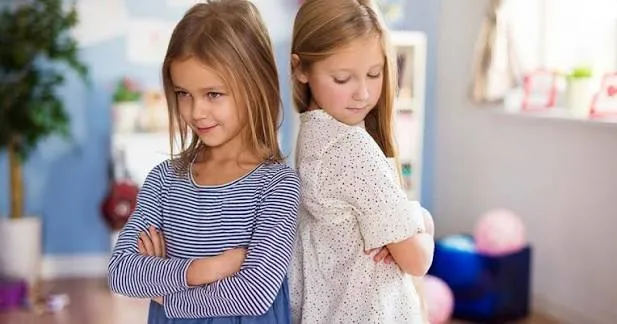
Children Use Comparison to Understand Themselves
Children learn about themselves partly through observing others.
They compare:
- Skills
- Appearance
- Achievements
- Social experiences
Comparison helps children understand differences.
The challenge comes when children begin believing:
“Someone else being better means I am not good enough.”
Social Comparison Can Affect Confidence
A child who constantly compares may focus only on what they lack.
They may ignore:
- Their progress
- Their strengths
- Their unique qualities
Parents can help children develop a more balanced view of themselves.
Focus on Personal Growth
Instead of asking:
“Who did better?”
Encourage questions like:
“What did you learn?”
“What are you proud of?”
“What improved from last time?”
This shifts attention from competition to growth.
Avoid Excessive Comparisons at Home
Even positive comparisons can create pressure.
Statements like:
“Your brother never does this.”
“Look how well your friend behaves.”
may make children feel they are competing for approval.
Help Children Recognize Their Own Strengths
Parents can encourage children to notice:
- Things they enjoy
- Skills they are developing
- Progress they have made
Confidence grows when children learn to value themselves.
Final Thoughts
Comparing yourself with others is a normal part of growing up.
The important thing is helping children understand:
“My value is not determined by being better than someone else.”
With support and encouragement, children can develop a healthier sense of self-worth.