When my son was five, he went through a phase of big feelings. One evening, he wanted to grab a yogurt from the fridge before dinner, but I told him no snacks before meals. He stood at the kitchen door, fists clenched, and yelled at me: “I don’t like you anymore!”
The house went quiet for two seconds. I was holding a spatula, onions sizzling in the pan. I said “okay” and turned back to cooking. He blinked, probably surprised that I didn’t get mad, didn’t cry, didn’t ask “how could you say that.”
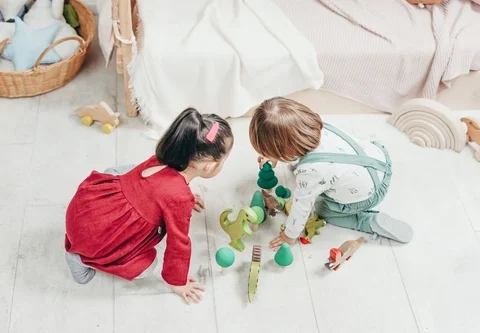
After a while, he walked to the living room and sat on the rug playing with Legos. At dinner, he sat down, took a bite of broccoli, and didn’t mention it. Neither did I.
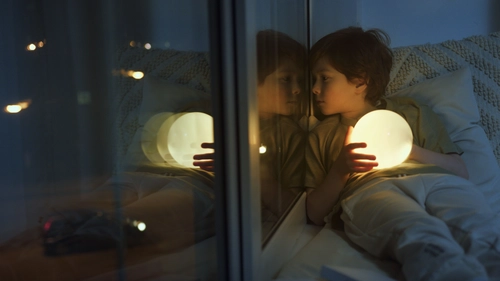
After his bath, I helped him put on his pajamas. He lowered his head and said very quietly, “Mom, what I said earlier… I didn’t really mean it.” I said I knew. He looked up and asked, “Then why didn’t you yell at me?” I said, “Because you were angry. When you’re angry, I don’t have to take everything you say seriously right away.”
He thought about it, then climbed into bed. I turned off the light and walked to the door. Then I heard him say, “Mom, I like you the most.” I said okay, good night.
I went downstairs, poured a glass of water, and stood in the dark kitchen for a moment.
His words had stung. Of course they had.
But upstairs, he was already asleep, safe under his blanket, after saying both things: “I don’t like you” and “I like you the most.”
Maybe that was what he needed to learn that night.
That words can feel heavy. And love can still stay.