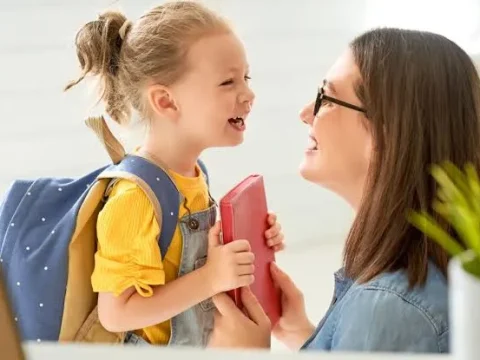
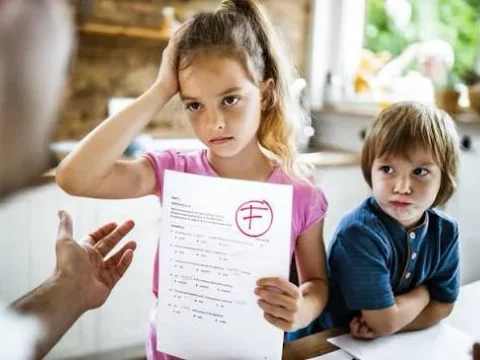
One of the hardest feelings for parents is noticing that their child no longer shares things with them.
You may wonder:
“Why doesn’t my child tell me anything?”
“Did I do something wrong?”
“How can I get my child to open up?”
Many parents assume silence means a child does not need them.
But often, children stop sharing because they are unsure how their feelings will be received.
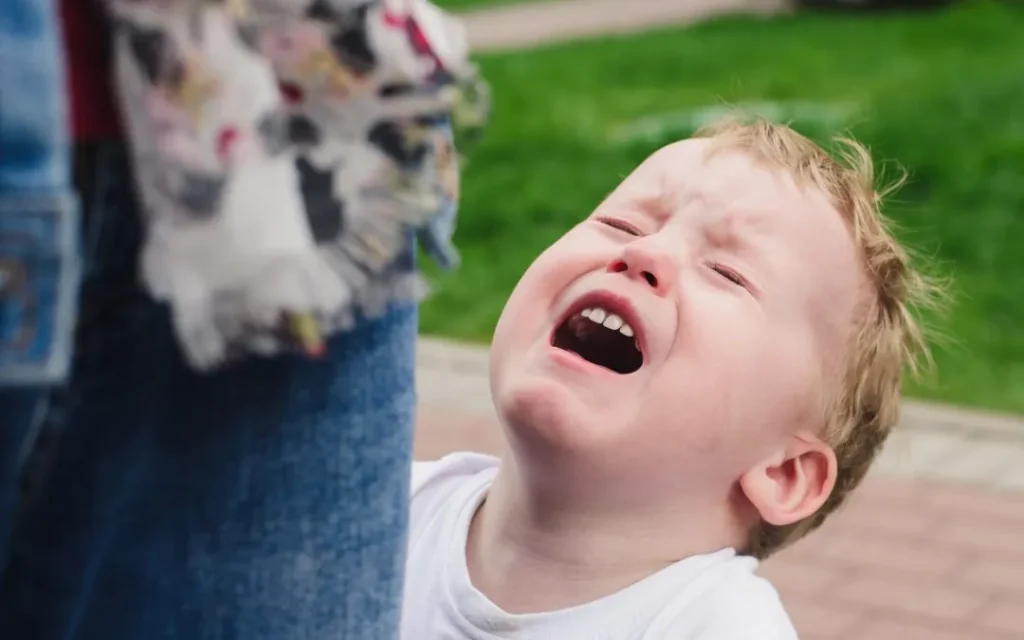
Children May Stop Talking When They Fear Judgment
Children are sensitive to reactions.
If they expect:
- Criticism
- Anger
- Immediate advice
- Disappointment
They may choose silence instead.
For example:
A child says:
“I had a bad day.”
If the response is immediately:
“Why?”
“What happened?”
“You should have…”
The child may feel pressure rather than support.
Sometimes Children Need Time Before They Share
Not every child processes emotions by talking immediately.
Some children need:
- Quiet time
- Space to think
- A comfortable environment
A quiet child is not necessarily hiding something.
They may simply communicate differently.
How Can Parents Encourage Communication?
Listen Without Immediately Solving
Children often want understanding before solutions.
Try:
“That sounds difficult.”
“I’m glad you told me.”
“I’m here if you want to talk.”
Create Small Daily Conversations
Deep conversations often happen naturally through small moments.
Examples:
- Talking during meals
- Walking together
- Driving in the car
- Reading before bedtime
Connection grows through consistency.
Share Your Own Feelings
Parents can model emotional openness.
You can say:
“I felt nervous today.”
“I was frustrated, but I handled it.”
This teaches children that emotions are normal and safe to discuss.
Build a Relationship Where Children Feel Safe
Children communicate more openly when they believe:
“My parents will listen.”
“My feelings matter.”
“I will not be rejected.”
Strong communication is built through trust over time.
Creating Lifelong Connection With Your Child
A close relationship does not happen overnight.
It develops through countless small moments of listening, understanding, and support.
The goal is not simply to get children to talk more.
The goal is to become the person they feel safe talking to.