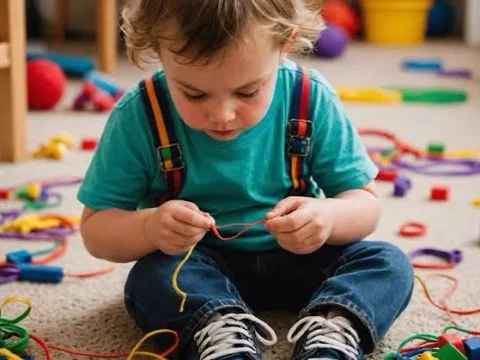
Many parents want their children to grow up with confidence, empathy, and strong emotional skills.
But emotional intelligence is not something children simply learn from instructions.
Children develop emotional awareness through everyday experiences:
- How parents respond to their feelings
- How conflicts are handled
- Whether emotions are accepted or dismissed
- How conversations happen at home
Parents often ask:
“How can I teach my child to manage emotions?”
“How do I help my child express feelings in a healthy way?”
“How can I build a closer relationship with my child?”
The right parenting books can help parents understand children’s emotional needs and create a supportive environment for emotional growth.
The Parent You Aspire to Be by Miles Carter
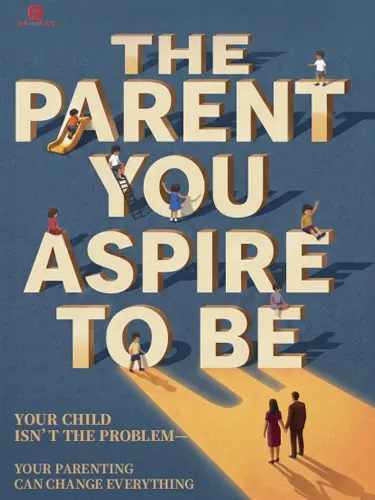
The Parent You Aspire to Be focuses on the connection between parenting style and children’s emotional experiences.
The book encourages parents to look beyond behavior and understand the feelings behind their child’s actions.
A child who is angry, frustrated, or upset is often communicating a need.
Instead of only focusing on stopping the behavior, parents can learn to explore:
- What their child is feeling
- Why the behavior is happening
- How to respond with empathy
- How to create emotional security
The book helps parents develop a more thoughtful approach to communication and connection.
For parents who want to raise emotionally aware children, this perspective can be especially valuable.
The Whole-Brain Child by Daniel J. Siegel and Tina Payne Bryson
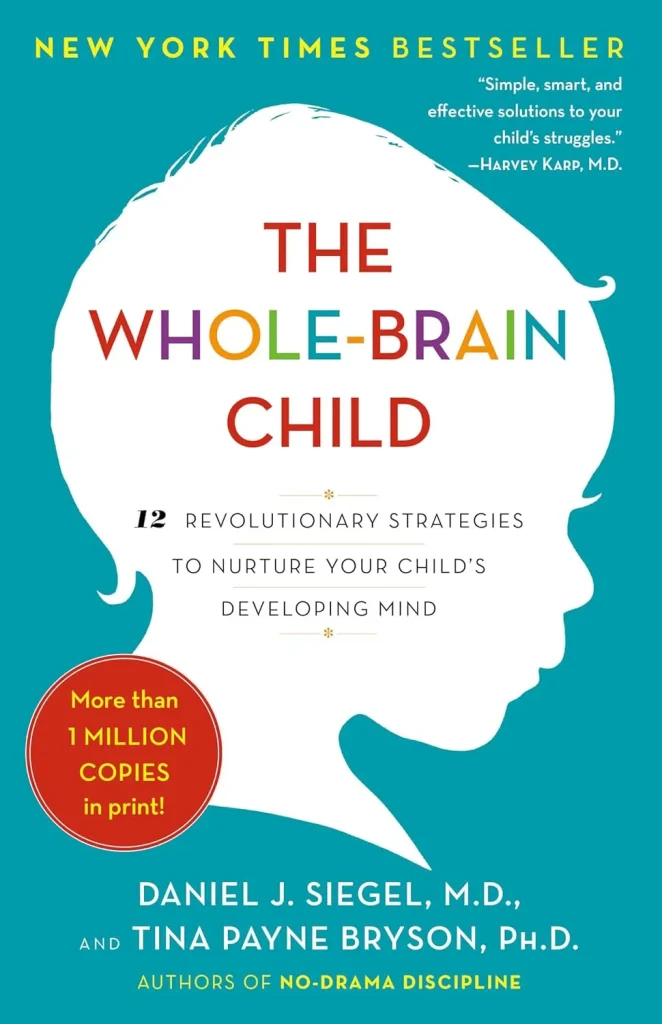
The Whole-Brain Child by Daniel J. Siegel and Tina Payne Bryson explains how children’s brains develop and how emotions influence behavior.
The book helps parents understand why children may experience:
- Big emotional reactions
- Difficulty calming down
- Trouble expressing feelings
- Challenges with self-control
It provides practical strategies for helping children connect emotions with understanding and develop stronger emotional skills.
Rather than viewing emotional moments as problems, the book shows parents how these situations can become opportunities for growth.
Why Emotional Intelligence Matters for Children
Emotional intelligence helps children develop important life skills, including:
- Understanding their own emotions
- Communicating their needs
- Showing empathy toward others
- Managing challenges
- Building healthy relationships
These skills can influence how children handle friendships, school experiences, and future relationships.
How Parents Can Support Emotional Development
Help Children Name Their Feelings
Young children often experience emotions before they understand them.
Helping them name feelings can make emotions easier to manage.
For example:
“You seem disappointed.”
“You feel frustrated because the game ended.”
These simple responses teach children that emotions can be understood and expressed.
Listen Before Giving Solutions
Children often need connection before correction.
Sometimes they do not need an immediate answer.
They need to feel heard.
Listening teaches children that their feelings matter.
Model Emotional Awareness
Children learn from watching their parents.
When parents demonstrate healthy ways to handle stress, frustration, and conflict, children gradually learn those skills too.
Final Thoughts
Raising emotionally intelligent children begins with everyday interactions.
Parents do not need to have perfect responses all the time.
They need awareness, patience, and a willingness to keep learning.
Books like The Parent You Aspire to Be and The Whole-Brain Child can help parents understand emotions, strengthen communication, and build deeper connections with their children.
The emotional lessons children learn at home can become the foundation for how they understand themselves and the world around them.