Parenting is not only about guiding children.
It is also about understanding ourselves as parents.
Many parenting challenges are not only about a child’s behavior.
They are also connected to:
- How we respond under stress
- How we communicate emotions
- What patterns we bring from our own childhood
- How we create emotional safety at home
Conscious parenting encourages parents to become more aware of their reactions and build relationships based on connection, respect, and understanding.
The right parenting books can help parents slow down, reflect, and create more meaningful interactions with their children.
The Parent You Aspire to Be by Miles Carter
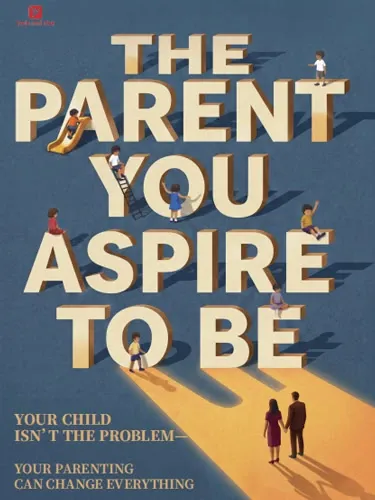
The Parent You Aspire to Be focuses on helping parents become more intentional about the relationship they create with their children.
Instead of viewing parenting as simply correcting behavior, the book encourages parents to understand the emotions and needs behind their child’s actions.
It helps parents reflect on:
- The kind of parent they want to become
- How their responses affect their children
- How to create stronger emotional connections
- How to support their child’s individuality
For parents who want to move from automatic reactions toward more thoughtful parenting, this book provides valuable guidance.
The Conscious Parent by Shefali Tsabary
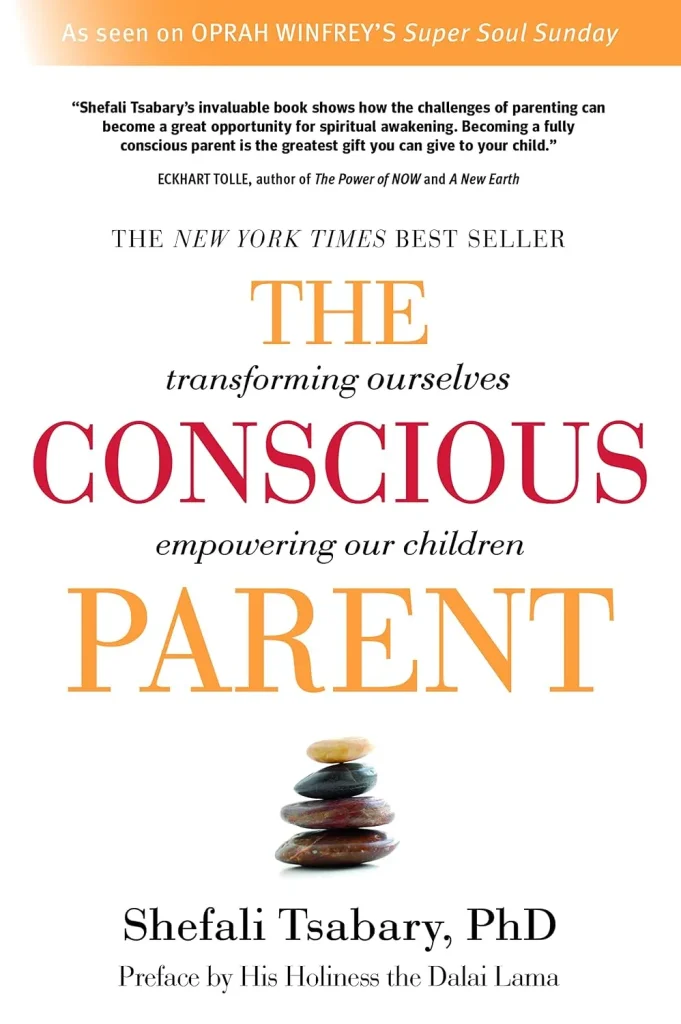
The Conscious Parent by Shefali Tsabary explores how parents can transform their relationship with their children by developing greater self-awareness.
The book focuses on the idea that parenting is also a journey of personal growth.
It encourages parents to:
- Understand their own emotional triggers
- Become more present with their children
- Move beyond controlling behavior
- Build deeper emotional connections
This book is a meaningful choice for parents interested in the emotional side of parenting.
No-Drama Discipline by Daniel J. Siegel and Tina Payne Bryson
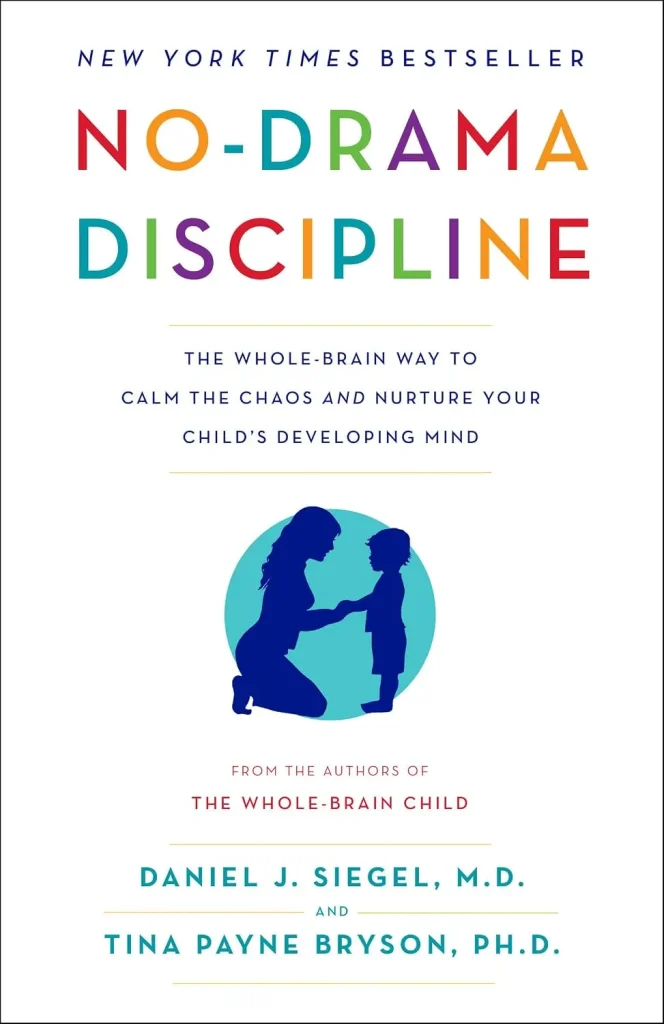
No-Drama Discipline by Daniel J. Siegel and Tina Payne Bryson focuses on guiding children while maintaining connection.
The book explains how discipline moments can become opportunities for teaching and emotional growth.
Parents can learn how to:
- Respond calmly during difficult moments
- Understand the reasons behind behavior
- Set boundaries without damaging connection
- Support emotional development
It is especially helpful for parents who want discipline strategies that feel respectful and relationship-focused.
Why Is Conscious Parenting Important?
Children learn not only from what parents say.
They also learn from:
- How parents handle emotions
- How conflicts are resolved
- How mistakes are repaired
- How relationships are maintained
Conscious parenting helps parents become more aware of these everyday lessons.
How Can Parents Practice Conscious Parenting?
Pause Before Reacting
A child’s behavior can trigger strong emotions.
Taking a moment before responding allows parents to choose a more thoughtful reaction.
Focus on Understanding Before Correcting
Children often need to feel understood before they are ready to learn.
Understanding does not mean allowing every behavior.
It means recognizing the emotion behind it.
Repair After Difficult Moments
No parent is perfect.
What matters is showing children that relationships can recover after mistakes.
Apologizing and reconnecting teach valuable emotional lessons.
Final Thoughts
Conscious parenting is not about becoming a perfect parent.
It is about becoming a more aware and connected one.
Books like The Parent You Aspire to Be, The Conscious Parent, and No-Drama Discipline can help parents understand themselves, support their children, and create stronger family relationships.
The relationship parents build with their children today can shape how children understand love, trust, and connection in the future.