
Many parents feel worried when their toddler suddenly starts refusing food.
A child who used to eat well may suddenly push food away, eat only a few bites, or become very selective about meals.
This change can feel frustrating, but it is actually common during toddler development.
A toddler’s eating habits can change for many reasons, including growth patterns, emotions, independence, and changes in routine.
Understanding why it happens can help parents respond calmly and support healthier eating habits.
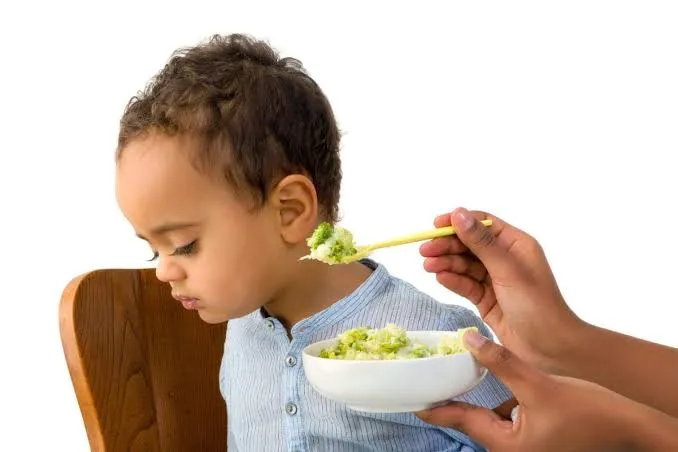
Common Reasons Why Toddlers Suddenly Stop Eating
1. Their Growth Has Slowed Down
Toddlers grow very quickly during infancy.
After the first year, their growth rate naturally slows, which means they may need less food than before.
Parents may expect the same appetite they had as babies, but toddlers often eat smaller amounts because their bodies require less energy.
2. They Are Becoming More Independent
Toddlers are learning that they can make choices.
Refusing food can sometimes be a way of expressing independence.
A toddler may think:
“I decide what I eat.”
“I want to do it myself.”
This behavior is often part of normal development rather than a sign that something is wrong.
3. They Are Distracted or Overstimulated
Toddlers have short attention spans.
Busy environments, toys, screens, or a rushed mealtime can make it difficult for them to focus on eating.
Creating a calm eating environment can help children pay more attention to meals.
4. They Are Going Through a Picky Eating Phase
Many toddlers become selective with food.
They may suddenly dislike foods they previously enjoyed or prefer only a few familiar options.
This does not always mean they will continue eating this way permanently.
What Parents Can Do When a Toddler Refuses Food
Create a Relaxed Mealtime Environment
Avoid turning meals into battles.
Pressure and frustration can make children develop more negative feelings toward eating.
Try to keep meals calm and predictable.
Offer Variety Without Forcing
Continue introducing different foods, even if your toddler refuses them at first.
Children often need repeated exposure before accepting a new food.
Follow Your Toddler’s Hunger Signals
Toddlers are usually good at recognizing hunger and fullness.
Offer balanced meals and allow them to decide how much they want to eat.
When Should Parents Seek Advice?
Occasional changes in appetite are normal.
However, parents may want to speak with a healthcare professional if their child has concerns such as:
- Significant weight loss
- Long-term refusal of most foods
- Difficulty eating or swallowing
- Low energy or unusual behavior
Final Thoughts
A toddler suddenly not eating can feel stressful, but it is often part of normal childhood development.
Instead of focusing only on how much your child eats, focus on creating positive mealtime experiences.
With patience, consistency, and encouragement, many toddlers gradually become more comfortable with different foods.