Many parents feel confused when their toddler starts crying over small things.
A broken cookie.
The wrong cup.
Not being allowed to touch something.
To adults, these situations may seem minor.
But for toddlers, emotions can feel very big because their brains are still learning how to handle frustration.
Crying is often not about the problem itself.
It is a way for children to communicate feelings they cannot fully express yet.
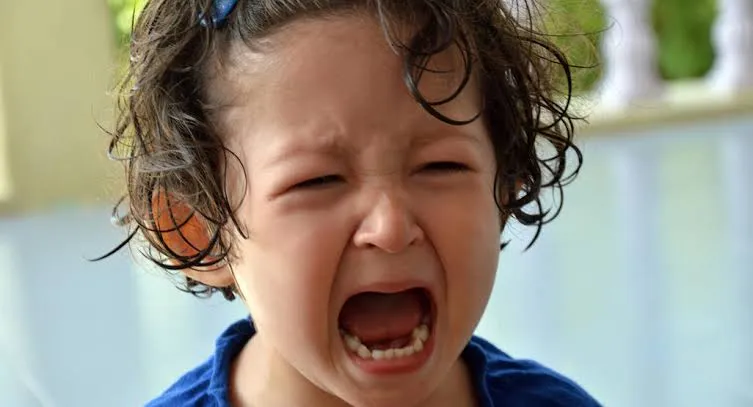
1. Toddlers Have Big Feelings but Limited Emotional Skills
Young children experience emotions strongly, but they do not yet have the ability to regulate them like adults.
A toddler may know:
“I am upset.”
But they may not know how to say:
“I am disappointed because I wanted something different.”
Crying becomes their way of expressing frustration, sadness, anger, or tiredness.
2. They May Be Seeking Connection, Not Attention
Many parents think:
“My child is crying just to get attention.”
Sometimes children are actually looking for comfort and reassurance.
A simple response like:
“I know you are upset. I am here with you.”
can help them feel safe.
Acknowledging feelings does not mean giving in to every demand.
It means showing that their emotions are understood.
3. Tiredness and Overstimulation Can Make Emotions Bigger
Toddlers often struggle more when they are:
- Hungry
- Tired
- Overstimulated
- Experiencing too many changes
A child who handles situations well in the morning may have a much harder time before bedtime.
Sometimes the solution is not discipline.
It is helping them regulate their environment.
What Should Parents Do When a Toddler Cries Easily?
Try these approaches:
- Stay calm instead of reacting with frustration
- Name their feelings
- Give simple choices
- Keep consistent boundaries
For example:
“I know you want the toy, but we cannot buy it today. You can choose another activity.”
Children learn emotional control by experiencing calm responses from caregivers.
Final Thoughts
A toddler who cries easily is not necessarily being difficult.
They are learning how to handle emotions.
With patience, consistency, and emotional support, children gradually develop better self-control.
The goal is not to stop children from having feelings.
It is to help them understand and manage those feelings.