Hearing your child say:
“I’m bad.”
“I’m not good at anything.”
“I always make mistakes.”
can be painful for parents.
Many parents quickly respond:
“No, you’re not bad.”
But behind these words, children are often expressing a feeling rather than describing who they really are.
Understanding why children develop negative self-beliefs can help parents support them in building confidence.
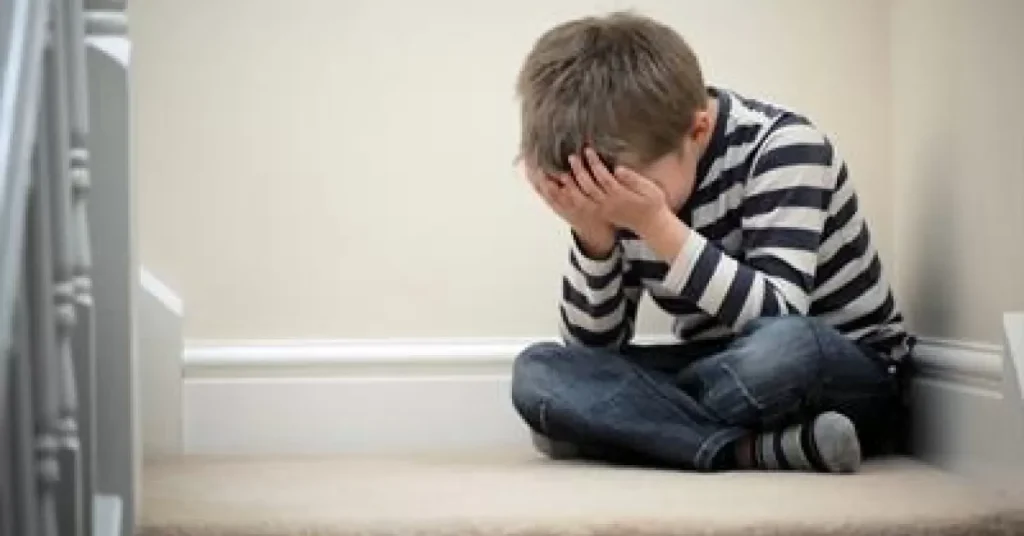
Children Often Confuse Mistakes With Who They Are
Young children are still learning the difference between:
“I did something wrong.”
and:
“I am wrong.”
For example, after losing a game, a child may think:
“I’m bad at everything.”
After making a mistake at school, they may think:
“I’m not smart.”
Children often see one difficult moment as proof of their entire ability.
Why Does a Child Start Thinking This Way?
They Focus More on Mistakes Than Progress
If children frequently hear corrections but rarely hear encouragement, they may begin to believe that mistakes are what define them.
Children need guidance, but they also need to know that effort and improvement matter.
They Compare Themselves to Others
Children naturally compare themselves with classmates, siblings, and friends.
Without support, they may think:
“They are better than me.”
instead of:
“They are learning something different from me.”
They Feel They Disappoint Others
Some children are very sensitive to adults’ reactions.
After making a mistake, they may worry:
“Did I make my parents upset?”
Over time, this can turn a small mistake into a negative belief about themselves.
How Can Parents Help?
Listen Before Correcting
Instead of immediately saying:
“No, you’re not bad.”
Try asking:
“Why do you feel that way?”
“What happened?”
This helps children feel understood.
Separate Behavior From Identity
Help children understand:
“I made a mistake” does not mean “I am a mistake.”
For example:
“You made a choice that was not okay, but you can learn from it.”
Praise Effort, Not Just Results
Instead of only saying:
“You’re so talented.”
Try:
“You worked really hard.”
“You kept trying.”
This helps children believe they can improve.
Avoid Negative Labels
Words like:
“Lazy.”
“Careless.”
“Troublemaker.”
can influence how children see themselves.
Focus on the behavior instead:
“You forgot to clean up today.”
rather than:
“You are messy.”
A Child Who Feels “Bad” Needs Connection, Not Just Correction
Children need to know they are loved even when they struggle.
The goal is not to make children believe they are perfect.
The goal is helping them understand:
“I can make mistakes, and I am still valuable.”
With patience and support, children can gradually build a healthier and more confident view of themselves.