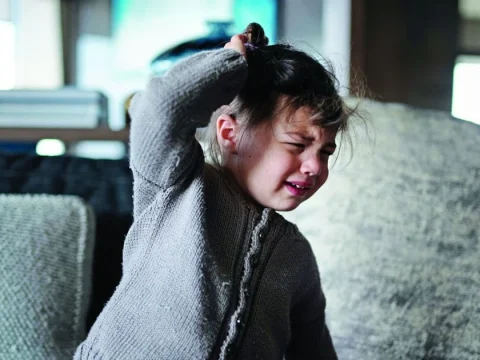
I still remember hearing my son cry all the way down the apartment hallway after I closed the door. Your child runs over, clings to your legs and bursts into loud tears. Your gentle words do no good. A family member has to pull them away. You can still hear them crying all the way to the elevator. Every parent knows this tough scene.
First, take it easy on yourself. Your child is not trying to upset you. Young children know you still exist when you’re gone, but they don’t always understand when you’ll come back. That uncertainty can feel scary, which is why they cling, cry, or panic when you leave. They lack the words to express fear, so crying becomes their only outlet. This is a normal stage, not a sign of bad parenting.
Below are practical tips I’ve tried or learned from other parents. They may not stop the tears completely, but they will make separations much easier.

1. Never sneak away
Many parents slip out while their child watches cartoons, thinking they will avoid crying. In fact, kids grow more upset once they notice you’re gone. Worse, they will stick to your side constantly afterward, even following you to the bathroom, afraid you will disappear again.
One mom said she once snuck out to go shopping. Her mother-in-law told her the child cried for forty minutes and even threw up. After that, the kid would not let her out of sight at home. It took weeks to rebuild trust.
Always say goodbye face-to-face, even if it takes extra time. Create a short, steady goodbye routine. Give them a hug, use the same simple line like “Mommy goes to work and will be back after dinner,” then leave right away. The longer you linger, the harder they cry.
You can try this: “Come here for a hug. I’ll leave after I count to three. One, two, three. Bye, see you tonight.” Then walk out calmly. They will cry at first, but repeating the same routine helps them learn: you leave, and you always come back.
Keep the whole goodbye under thirty seconds. Your relaxed attitude helps them accept it faster.
2. Play “come back” games at home
Separation anxiety mainly comes from not grasping object permanence. You can help them learn this through fun games.
Start with peekaboo. Cover your face with your hands and say “Mommy’s gone,” then uncover them and cheer “Mommy’s back!” As they grow, play simple leave-and-return games. Say, “I’m going to the kitchen for a spoon. I’ll be back in ten seconds.” Make sure you return right on time. Gradually extend the time to thirty seconds, then one minute.
One dad turned it into a game. He’d briefly disappear into another room, call out to his daughter, then come right back. Over time, she stopped panicking when she couldn’t see him and started treating it as play.
You can also link your return to happy little surprises. Bring a small sticker when you come back and say, “Look, I brought you a gift.” Slowly, they will stop crying and even look forward to your return.
Key rule: Always keep your promise. Coming back on time builds their sense of security.
3. Mark time with things they understand
Saying “I’ll be back soon” means nothing to young kids. They have no concept of time. The uncertainty makes them more anxious.
Turn time into familiar daily activities they know. For example: “I’ll be back when you finish lunch.” or “I’ll get home after you finish this puzzle with Grandma.” or “Wake up from your nap, and I’ll be right here.”
A friend always told her daughter, “I’m going to buy milk. Build a tall castle with Dad, and I’ll be back when you finish.” The little girl focused hard on building, and lit up with joy when she saw her mom return.
If your schedule is unsure, use an hourglass or timer. Say, “I’ll come back once all the sand runs out.” You can also put on a short cartoon: “I’ll be home when this episode ends.”
Never lie to your child. Keep your word, or they will no longer trust you.

Old Way vs. Better Way
What many used to do
Sneak out when the child is distracted. If caught, keep comforting and hesitating, then let others pull the crying child away. The kid stays upset all day, grows extra cautious, and panics the moment you get dressed to go out.
What you can try now
Talk to them the night before: “Mommy has to work tomorrow. I’ll be back after dinner.” In the morning, give a quick hug and count to three before leaving. The child may cry for a minute or two, then calm down with new activities. Come back on time and greet them warmly. After several weeks, they may pout a little but will no longer break down in tears.
Final thoughts
You don’t have to make them stop crying entirely. If their crying goes from half an hour down to five minutes, that’s real progress.
Every time you return as promised, you tell them: I will never leave you for good.
This phase will pass. Be patient now. One day you’ll drop them off, and they’ll barely look back before running toward their friends. It feels impossible now, but it happens faster than you think.