It’s 4 p.m. on a rain-soaked Tuesday. The baby finally crashed. Your toddler has hummed the Bluey theme for the seventh time, and you’ve lost track of how many episodes autoplayed. Guilt needles at you. But then she looks up and says, “Mum, Bingo is sharing. That’s kind.” Something shifts. If you’ve ever typed “positive effects of screen time on child development” into a search bar, you weren’t hunting for a free pass to park them in front of a screen all day. You just wanted to understand what’s really happening behind those bright pixels, and whether any of it could actually be… helpful. Let’s talk.
When Can Screen Time Have Positive Effects on Child Development?
You hear the warnings constantly. So what exactly is the harm? Is it the physical screen? The cartoons? A Reddit parent once wondered if a G‑rated nature documentary could damage an 18‑month‑old. The uncomfortable answer is that it’s rarely the dolphins or the grass. It’s the conversation that never happened.
A review of the literature points out that too much screen use can push out the back‑and‑forth babbling, the pointing, the naming of things that build language and emotional connection. The screen itself isn’t toxic. What stunts development is the silence between a child and their caregiver while it’s on. That’s the core risk.
But flip that dynamic. When you watch together, ask questions, name animals, and pause to chatter, the same nature clip turns into a rich vocabulary session. Suddenly the positive effects of screen time on child development become possible. Authors like Po Bronson and Ashley Merryman note in “NurtureShock” that what matters isn’t the device. It’s the responsive interaction wrapped around it. So the real question isn’t “screen: good or bad?” It’s “are you there, too?”
How Do You Actually Unlock the Positive Effects of Screen Time on Child Development?
You need a simple shift, not a complete ban. Here’s what many families find works.
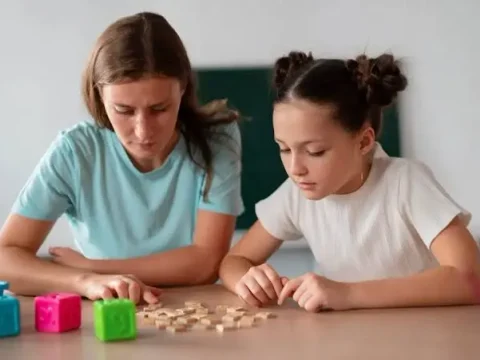
First, co‑view whenever you can. Plop yourself down and make it a shared experience. When a character shares a toy, pause. Ask, “Why do you think she feels happy now?” You’re not just watching. You’re building emotional vocabulary.
Second, bridge the screen to the real world. If the show counted apples, count the apples on your counter later. This “far transfer” is where genuine learning sticks. A study on educational media shows that children understand content much better when an adult helps them connect it to their own life.
Third, pick content that invites participation. Slow‑paced shows that look directly at the child, ask questions, and leave pauses for a response are worth their weight in gold. Think of it less like “screen time” and more like a picture book that moves.
Fourth, don’t let screens edge out floor play. The positive effects of screen time on child development show up only when the rest of the day is packed with movement, real conversations, and boredom‑fueled creativity. Set a clear ending, and then go outside.
The “Watch‑Talk‑Play” Method: A Ritual for Meaningful Screen Time
Give it a name so you remember the sequence: Watch, Talk, Play. That’s the whole framework.
First, watch one short segment together. A song. A story. Ten minutes max. While watching, point at the screen. Imitate the sounds. You become the narrator.
Next, talk about it as soon as it ends. What did they see? Did a character feel sad? Can they show you that face? The research from the AAP suggests that this kind of talk is what converts passive screen exposure into a language‑rich interaction.
Finally, play it out. After an episode about building, build a blanket fort. After a counting segment, count the stairs on the way to bath time. You’ve just created a full learning cycle. This simple ritual can be the single most reliable way to bring the positive effects of screen time on child development into your living room without guilt.
Content Matters: Why Cartoons and Nature Documentaries Aren’t the Whole Story
You might still be wondering: is a nature documentary better than cartoon chaos? Why do some parents swear by one and fear the other?
It comes down to pace and predictability. Programs that cut every two seconds, flash strange sounds, and feel hyper‑energetic can be overstimulating. A young brain’s attention system hasn’t matured yet. That constant novelty can make everyday play feel boring later. But a nature documentary, watched alone and in silence, can also be a missed opportunity. The child hears animal calls but no human connection.
The sweet spot is something slow enough to let a parent jump in. A documentary you narrate yourself. A gentle puppet show where you ask questions. The “goodness” or “badness” of the content is far less important than the conversation you weave around it. So your instinct about the nature doc being harmless? It is, but only when you don’t leave your child alone with it. It’s the dialogue that makes the difference.
Age‑by‑Age: When Screen Time Goes from Zero to Meaningful
Under 18 months, video chat with Grandma is the one exception most experts are comfortable with. Beyond that, the guidance skews toward zero recreational screen time, mostly because babies need face‑to‑face interaction and movement.
From 18 to 24 months, tiny doses of high‑quality, co‑viewed content can start to show glimmers of benefit. Not the time itself, but the vocabulary you build together. So if you’re watching a farm animal clip, point and name. Wait for a response, even if it’s just a wiggle.
Two to five years is where the positive effects of screen time on child development can really surface if you use it like a spark, not a fire. Paired with real‑world play, it might boost vocabulary, emotional understanding, or even early math concepts. But the warning label is clear: the cognitive lift comes from you, not the app. Without an adult bridge, it’s just moving colors.
FAQ
Can educational screen time have positive effects on child development?
Yes, but only when a caregiver is actively engaged. A well‑designed show can introduce new words, but a child learns them deeply when you repeat them, connect them to real objects, and use them during play.
Is co‑viewing the secret to the positive effects of screen time on child development?
It’s the single biggest factor. Research consistently finds that children learn more from media when an adult sits with them, asks questions, and links the content to daily life. Without co‑viewing, most educational value vanishes.
How much screen time is actually beneficial for child development?
There isn’t a magic minute count. The benefit isn’t about dosage. A ten‑minute co‑viewed song that leads to a living room dance party can be more developmentally valuable than an hour of passive watching. Quality and context trump quantity every time.
What are the positive effects of limited screen time on child development in the long run?
When used intentionally, it can expand a child’s world, expose them to diverse people and places, model social‑emotional skills, and become a springboard for creative play. The positive effects show up later as stronger language, curiosity, and the ability to connect ideas.
One Last Thing
That rainy Tuesday when Bluey taught your child about sharing. The guppy smile when she recognized an elephant in her book after a documentary clip. These tiny moments don’t need a defense. So maybe next time you watch together, chattering your way through an episode, you’re not messing up. You’re watching the positive effects of screen time on child development unfold. Not because of the screen. Because of you, right there beside her.