I used to think parenting was about the big stuff. The birthday parties with the rented bounce house. The family vacation to the ocean. The expensive gift under the tree. I planned those moments like a general planning a campaign. And then my kid, at age eight, said something that stopped me cold. She said, “Remember that time we were eating cereal, and you laughed so milk came out your nose?” I did not remember that. She did. It wasn’t the Disney trip. It was the cereal. That was the moment I realized I had been aiming at the wrong target entirely.
Here is the uncomfortable truth. Children do not store their memories like we do. We adults think in highlights. The graduation. The promotion. The wedding. But children? They think in textures. The feeling of your hand on their back when they are scared. The way you said their name when you were not angry. The five minutes you sat on the floor with them, not doing anything special, just being there. Those are the moments they keep. And we are missing them because we are too busy trying to manufacture the big ones.
The problem is not that we do not love our children. The problem is that we love them in the wrong currency.
We spend money when what they need is time. We plan elaborate outings when what they crave is presence. We buy the toy when what they actually want is the ten minutes of uninterrupted attention before bed. I see this in my own life all the time. I catch myself thinking, “I will make it up to them this weekend with a special trip.” But the weekend comes, and the trip is fun, but it does not erase the rushed mornings and the distracted evenings. It does not replace the moments I was there in body but not in spirit.
The real question is not whether you love your child. It is whether your child feels loved in the small, ordinary, forgettable moments. Because those are the moments they remember. They remember the way you looked at them when they showed you a drawing. Not the drawing itself. The look. They remember your voice when you said goodnight. Not the words. The tone. They remember if you paused to actually listen, or if you nodded while scrolling through your phone.
So here is what I have learned, the hard way, through trial and error and a lot of mornings with cold coffee.
Practice Point One: Stop Performing, Start Being
The first technique is counterintuitive. It sounds like nothing. But it is everything.
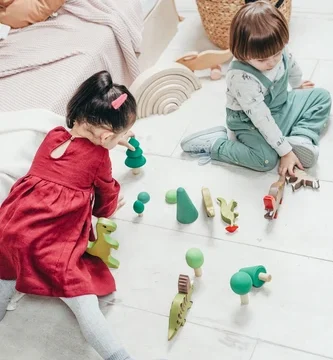
Here is what I mean. Stop treating time with your child as a production. Stop trying to make every interaction memorable. Stop planning the perfect craft project or the educational game or the meaningful conversation. Instead, just be there. Sit on the floor. Read a book you have read forty times. Let them talk about the same video game level for fifteen minutes. Do not try to make it special. Just let it be ordinary.
I tried this with my son last week. I put my phone in another room. I sat on the edge of his bed while he built a Lego spaceship. I did not offer advice. I did not ask questions designed to teach him something. I just watched. He talked about the wings. He talked about the color. He made explosion sounds. It was not profound. It was not a lesson. But when I got up to leave, he said, “Dad, that was the best night.”
I had done nothing. That was the point. I had stopped trying to be a good parent and just been a person in the room with him. That is what children remember. Not the big gesture. The quiet presence.

Practice Point Two: Repair, Do Not Perfect
The second technique is harder. It requires you to stop pretending you are getting it right.
Here is the thing. You will fail. You will be distracted. You will lose your temper. You will say the wrong thing. That is not the problem. The problem is when you pretend it did not happen. Children notice. They notice when you are not fully there. They notice when you are angry. They notice when you look at your phone during their story. And they remember.
What they remember even more, though, is the repair. The moment you stop, look them in the eye, and say, “I am sorry. I was not listening. Can we start again?” That repair is more powerful than any perfect moment you could manufacture. It teaches them that relationships are not about never making mistakes. They are about coming back to each other after the mistake.
I learned this the night I yelled at my daughter over spilled milk. She cried. I felt terrible. Later, I went to her room and sat on her bed. I said, “I was wrong to yell. That was not fair to you. Can I have a do-over?” She nodded. We hugged. She fell asleep five minutes later. The next morning, she did not remember the spilled milk. She remembered the hug. She remembered me saying sorry. That is the memory that stuck.
Practice Point Three: Create Rituals, Not Events
The third technique is about structure. Not the big structure of holidays and vacations. The small structure of everyday life.
Children crave predictability. Not because they are boring. Because predictability creates safety. When they know what is coming, they relax. And when they relax, they are open. They talk. They share. They remember.
So create small rituals. A specific handshake before school. A silly song you sing every time you make pancakes. A question you ask every night at dinner, like “What was the best part of your day?” and “What was the hardest part?” Do not change it. Do not make it bigger. Just do it. Every day. The repetition is the point.
My family has a ritual. Every night, before bed, I say to my kids, “Tell me something you learned today.” It does not have to be academic. It can be anything. One time my daughter said, “I learned that if you put a banana in the freezer, it turns black.” That was it. That was the whole thing. But she remembered telling me. And I remembered listening. That small moment, repeated hundreds of times, is what builds the foundation. It is not the vacation. It is the nightly question.
Ending
Here is what I want you to take away from this. You do not need to be a perfect parent. You do not need to plan elaborate experiences. You do not need to buy the expensive gift or take the dream vacation. What you need is to be present in the ordinary moments. To repair when you fail. To build small rituals that create safety and connection.
The memories your child will carry are not the big events. They are the small ones. The way you said their name. The way you looked at them. The way you showed up, not as a performer, but as a person. That is what lasts. That is what matters.
And you can start today. Right now. Put down your phone. Sit with your child. Say nothing. Just be there. That is the only action you need to take.