I was talking with a friend the other day, and she couldn’t help complaining. She said, “I spend all day with my kid. But I feel like we’re just roommates passing in the hallway.” She ticked off the boxes: meals together, homework help, bedtime stories. Yet something felt hollow. Have you ever felt that way? That quiet, nagging sense that you’re doing everything right but missing the real connection?
If that sounds familiar, you’re not alone. Many parents I work with describe this same itch. We get so caught up in the logistics of parenting that we forget the heart of it. We think a strong bond requires grand gestures or dedicated “quality time.” But here is the surprising truth. The deepest bonds are built not in special moments. They are woven into the ordinary, unremarkable minutes we usually overlook.
Failed Attempts
Before I figured this out, I tried all the standard fixes. I scheduled a “family game night” every Friday. It felt forced. My son would rather be on his tablet. I planned elaborate weekend outings. But the car ride was filled with bickering. I bought parenting books about “active listening” and “special time.” I sat down with a timer, determined to give him ten minutes of undivided attention. He stared at me like I was a stranger.
I thought the problem was me. Maybe I wasn’t fun enough. Maybe I needed more patience. So I tried harder. I put away my phone. I smiled more. I asked open-ended questions about his day. He gave me one-word answers. I felt like I was failing a test I hadn’t studied for. The more I pushed for connection, the more he pulled away.
Have you ever found yourself wondering about your child’s reactions? You try so hard, and they seem uninterested or even annoyed. It’s easy to think the bond is broken. But here is the thing. A child’s resistance is not a rejection of you. It is often a response to the pressure of a “performance” moment. They can feel the weight of your expectation. And nobody likes being observed.
Core Insight
A bad attitude is usually a signal that something deeper is going on. The child isn’t being difficult. They are being human. Connection happens in the pauses. It lives in the car ride to school, the ten minutes before bed, the moment you chop vegetables together. These small, low-stakes interactions carry no pressure. They allow your child to let their guard down. And that is exactly when the door to their inner world cracks open.
Phased Stages
So how do you actually build a strong bond through these everyday moments? It is not about doing more. It is about being more present in what you already do. Here are three stages that move you from “roommate” to “safe harbor.”
Stage One: Stop Performing, Start Observing
The first shift is a mental one. You stop seeing every interaction as a chance to “connect” and start seeing it as a chance to be present. I call this the “no agenda” approach. For one week, try this. Do not initiate any special conversations. Do not plan any bonding activities. Just observe.
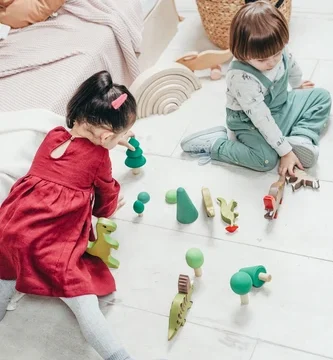
Watch your child during a routine task. Maybe they’re building a block tower. They’re humming a song. They look frustrated. Instead of jumping in to help or ask questions, simply sit nearby. Your presence is enough. You are not there to fix or teach. You are there to witness. This sounds too simple, but it works. It removes the performance anxiety from both of you.
When you stop trying to capture their attention, they often start offering it. They will look over. They might talk to you voluntarily. It is not because you did something clever. It is because you became a safe, quiet presence in the room. You stopped being a manager and became a companion.
Stage Two: Create Shared Boredom
This is the stage that feels most uncomfortable for modern parents. We fear boredom. We fill every gap in the day with screens, activities, and conversation. But boredom is fertile ground for connection. When you and your child share a moment of “nothing to do,” you are forced to turn toward each other.
Try this. Next time you are both waiting—in the car, at a doctor’s office, in line at the store—resist the urge to pull out your phone. Say nothing. Just wait together. The silence might feel awkward at first. Let it sit. Eventually, your child will notice the emptiness. They might invent a game. They might start talking about something random. Or they might just lean against you.
That leaning is connection. It is physical, wordless, and real. You are not teaching them anything. You are not entertaining them. You are simply being with them. Shared boredom is a secret glue. It says, “We don’t need a plan to be together. Your company is enough.”
Stage Three: Follow Their Lead, Even When It’s “Wrong”
This is the hardest stage. It requires you to let go of control. When your child wants to do something that seems pointless or messy, you have a choice. You can redirect them to a “better” activity. Or you can follow their lead.
Here is an example from my own life. My daughter started collecting rocks. She wanted to bring them inside, wash them in the sink, and line them up on the windowsill. My first instinct was to say no. It was messy. It was pointless. But I paused. I asked her what she liked about them. She said, “They are all different, but they sit together quietly.”
That moment was not about the rocks. It was about her seeing the world in a way I had forgotten. By following her lead, I entered her world instead of pulling her into mine. I validated her curiosity. I said, without words, “Your interests matter to me.”
You can apply this to any everyday moment. They want to stir the pancake batter even though it splatters. Let them. They want to arrange the spoons in a weird pattern. Let them. They want to tell you a long, boring story about a video game. Listen. When you follow their lead, you are building a bond on their terms. And that bond is far stronger than any scheduled activity.
Ending
I know this approach feels counterintuitive. We are taught that connection requires effort, structure, and intention. But real connection is not a product of effort. It is a byproduct of presence. It happens when you stop trying so hard to be a “good parent” and start being a real human being in front of your child.
If you also have a child who feels distant, please don’t rush to label yourself a failure. The bond is not broken. It is just waiting for a quieter approach. Start with one small shift. Tomorrow morning, put down your phone while they eat breakfast. Don’t ask questions. Don’t teach. Just sit. Watch the way their fingers hold the spoon. Notice the sunlight on their hair.
It will feel awkward at first. That’s okay. The awkwardness is just the old habit of performing falling away. Beneath it, something real is growing. Every “mom” or “dad” they call out is not a demand. It is a need for your calm, steady presence. And you don’t need a plan to give that. You just need to show up, empty-handed, ready to be with them.