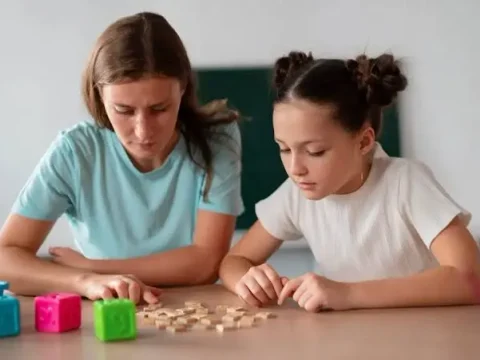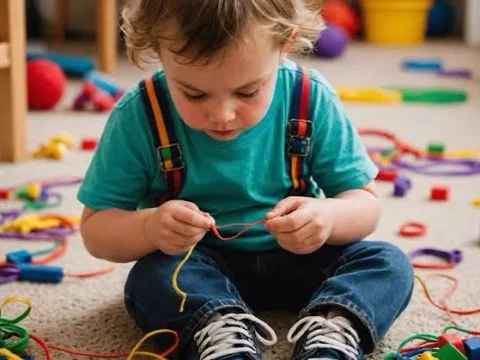
You pull out a new puzzle and say excitedly, “Let’s try this!” Your child glances at it and shakes their head. “I don’t want to.” You grab paint instead. “How about drawing?” They repeat the same line: “I can’t do it.” You grow frustrated. “How do you know if you haven’t even tried?” They step backward and walk away entirely.
You may wonder why they’ve grown so hesitant. They used to dive into everything as a toddler, yet now they fear every new activity.
Kids shy away from new challenges rarely out of simple timidity. They run through a quiet mental calculation: If I mess up, I’ll look silly, and Mom will be disappointed. This mindset almost always forms from our responses to their attempts. The more you fixate on perfect results, the more terrified they become of falling short.
Notice your words for success and failure
Many parents overpraise perfect outcomes: “Wow, you’re so smart!” Yet they respond to struggle or hesitation with anxious pressure: “Just give it a shot, it’s easy,” or “Look how well all the other kids can do this.” Kids pick up a clear message from this split reaction: My worth depends on getting things right.
One little boy refused to ride a balance bike. His dad initially pushed him by saying, “See how smoothly the neighbor’s boy rides?” This only made the child pull further away. Later the dad shifted his tone: “Everyone falls a different number of times learning this. You might slip three times, or ten — either is totally fine.” The boy hesitated, then climbed onto the bike.
Check your first reaction when your child turns something down. Do you rush to say “Don’t be scared,” or validate their nerves with “It’s normal to feel unsure the first time”? The first line dismisses their feelings, while the second normalizes them. Most fear of new tasks stems not from the activity itself, but the shame they anticipate from failure. Soften that perceived shame, and their guard will drop.

Swap “Let’s try this” for “Let’s see what happens”
The phrase “let’s try” carries an unspoken expectation that they ought to succeed. “Let’s see what happens” keeps things open. Success, messy mistakes, silly surprises — all outcomes are okay.
Try framing activities around curiosity instead of performance: “I wonder what this puzzle will look like finished. Wanna find out together?” or “How many blocks do you think we can stack before it topples? Let’s count.” Shift focus away from whether they can master the task, and onto simply observing how it unfolds.
One girl refused to taste new vegetables. Instead of begging her to take a bite, her mom asked, “Guess how crisp this carrot is?” Curiosity pulled her in. She took a bite, noted its crunch, and kept eating. She didn’t crave carrots — she just wanted to answer the question.
This trick won’t work every single time, but you’ll likely notice far less pushback when you frame tasks as curious exploration rather than a test. Curiosity comes naturally to children; pressure does not. Your job is to reignite that innate curiosity.
Give them an easy way to opt out mid-way
If kids believe they must finish whatever they start, they will avoid beginning at all. Let them know they can stop whenever they want, and they’ll feel braver to take the first step.
State the boundary upfront: “We’ll give this three minutes, and we can quit anytime you don’t feel like it anymore.” Or “You can just touch the paint if you want; no pressure to draw anything.” Many kids relax and join in once they know they hold the power to pause.
This differs from letting them quit before starting. You invite them to begin, then respect their choice to stop. The key rule: every attempt gets permission to end early.
What if they try briefly then walk off?
That’s completely fine. Not every activity needs full commitment. Sometimes a quick touch or a single try is enough progress. Even if they run away, the new item moves onto their mental list of “things I’ve experienced.” The next time they see it, they may engage a little longer.
One day you may catch them grabbing that puzzle independently. Without any prompting from you, they’ll sit down and slot piece after piece into place.
They don’t need constant reassurance that they’re capable. They need to hear that imperfection and unfinished tries are completely acceptable.