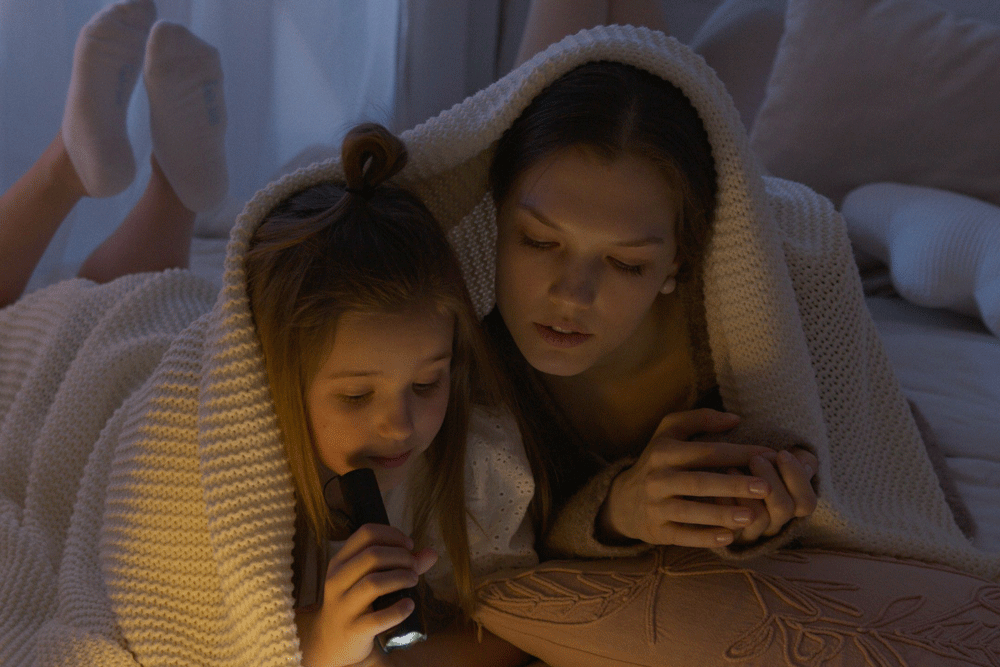
Not long ago, your child would get into bed, pull up the covers and say goodnight on their own. Lately, bedtime has turned into a struggle. They keep calling you, getting out of bed for little reasons, crying or saying they feel scared. You wonder what changed.
This kind of sleep regression is far more common than you think. Most kids go through this phase. You don’t always need to find the exact cause. Try these methods that have worked for many families. Your child is not acting out on purpose. They just cannot put their new feelings into words.
Stick to a fixed three-step bedtime routine
Kids feel safe with predictable habits. You don’t need an elaborate routine — just three simple, steady steps.
For example: brush teeth, read one short picture book, then repeat the same gentle line after turning off the light. You could say, “The cat sleeps, the dog sleeps, and it’s time for you to sleep too.” After a week, many children will finish the sentence along with you, and bedtime fights fade away.
Once the lights are out, skip new stories and extra chats. Just say, “We’ll talk tomorrow. It’s time for our mouths to rest.” Keep the same order and calm tone every night. Gradually, their brain will learn: it is time to settle down.
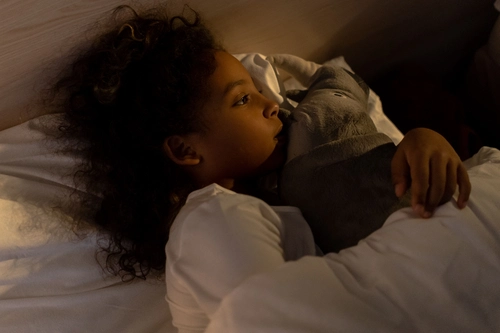
Respond calmly and briefly when they call you
Many parents rush in right away or talk at length through the door. This makes calling for attention feel like a fun game, so your child will keep testing you.
Try this approach instead:
- The first time they call, walk in, say “Time to sleep” and leave right away. Keep it short.
- The second time, stand at the doorway and repeat the same line without going inside.
- From the third time onward, do not reply. Stay nearby to make sure they are safe.
One father tried this method. His child called out seven times the first night, three times the second, and just once on the third. The hardest part was holding back from stepping in. When you stop playing along, your child will give up the game.
Note: This works only if your child is not truly scared or unwell. Comfort them first if they cry out of fear.
Give them something tangible when they feel afraid
Saying “Don’t be scared” rarely eases real fear. Kids need something they can see or hold to feel secure.
Here are easy ideas:
- A small nightlight they can pick out themselves.
- A “monster spray” — fill a spray bottle with water and add a simple handwritten label.
- A drawing of a guardian figure taped on the closet or window.
One child feared monsters in the closet. Instead of saying there were no monsters, his mom drew a superhero with him and stuck the picture on the door. Right after that, he was ready to turn off the lights and sleep.
You can also check under the bed and inside the closet together. Show them there is nothing to worry about. This simple routine helps them feel safe.
Check their daytime schedule
Bedtime troubles often link to how they spend the day. The problem may not lie at night at all.
If they get overexcited: Too much active play late in the day keeps their brain wired. Switch to quiet activities like puzzles, drawing or storytime after 4 p.m. They will fall asleep much easier.
If they are underactive or nap too long: Cut their nap short if it lasts over two hours. Make sure they spend at least an hour playing outdoors. Many parents find trimming naps by just thirty minutes helps kids settle down twenty minutes faster at night.
Observe for a few days and adjust their daily routine. It is well worth a try.
A peaceful night
You help them brush their teeth, read the short book and turn off the light. You say, “The cat sleeps, the dog sleeps.” Your child finishes the line: “And it’s time for me to sleep too.”
You walk out of the room. Two minutes pass, and all stays quiet.
Sitting in the living room, you finally get half an hour of quiet time to yourself. You cannot be sure tomorrow will be the same, but tonight, bedtime went smoothly for both of you.
Every calm goodnight builds their trust. They learn you will leave, but you will always come back.