When Sarah’s 9-year-old daughter started working on a difficult school project, she quickly became frustrated. Instead of trying different approaches, she immediately asked her mother to take over and show her what to do.
Sarah wanted to help because she could see the solution clearly. However, she also realized that solving the problem for her daughter would only fix that one moment. It would not teach her how to handle future challenges on her own.
Many parents face the same situation. When children struggle, parents naturally want to step in and make things easier. Helping children is part of parenting, but children also need opportunities to think, make decisions, and discover solutions themselves.
Problem-solving is not a skill children are simply born with. It develops through practice, guidance, and repeated experiences with challenges.
Why children struggle with problem-solving
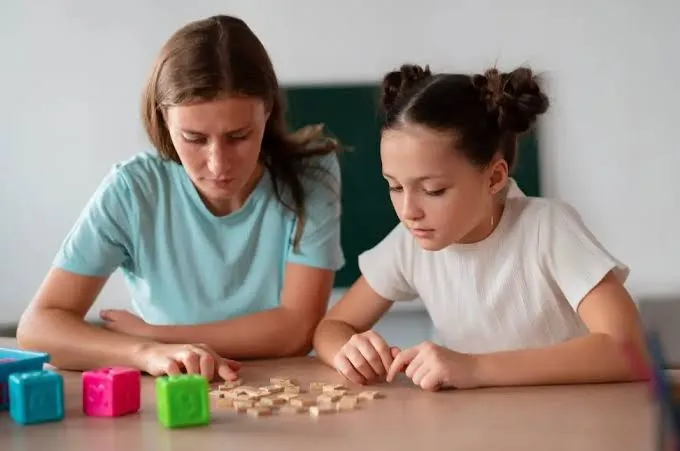
Children often have difficulty solving problems because they are still developing important skills, such as emotional control, flexible thinking, and decision-making.
When something feels difficult, children may:
- Become frustrated quickly
- Give up before trying different solutions
- Wait for adults to fix the problem
- Focus only on what went wrong
- Feel overwhelmed by too many choices
This does not mean children are incapable. It means they need support learning a process for handling challenges.
A child who learns how to approach problems calmly becomes more confident in school, friendships, and daily responsibilities.
Resist the urge to solve everything immediately
One of the biggest challenges for parents is knowing when to help and when to step back.
When children struggle, parents often provide answers because it feels faster and prevents frustration. However, if adults always solve problems, children lose opportunities to practice independent thinking.
Instead of immediately offering a solution, parents can guide children with questions:
- What do you think is happening?
- What have you tried already?
- What are some possible options?
- Which choice do you think might work best?
These questions encourage children to think through situations rather than waiting for someone else to provide the answer.
Teach children to break big problems into smaller steps
Many problems feel impossible to children because they look too large.
A child who has a difficult assignment, a disagreement with a friend, or a challenging responsibility may not know where to begin.
Parents can teach children to divide problems into smaller parts.
For example, instead of asking a child to “fix the whole situation,” help them think about:
- What is the main problem?
- What part can you control?
- What is one small step you can take first?
- What should you try next if that does not work?
Breaking problems into steps makes challenges feel more manageable and helps children build confidence.
Help children learn from failed attempts
Many children avoid problem-solving because they believe a failed attempt means they are not good at something.
Parents can change this mindset by focusing on the learning process.
When a solution does not work, encourage children to think about:
- What did you learn?
- What could you change?
- What might work better next time?
Failure is not the opposite of problem-solving. It is often part of the process.
Children who learn that mistakes provide information become more willing to experiment and try again.
Encourage children to consider different perspectives
Problem-solving is not only about finding practical answers. It also involves understanding other people’s feelings and viewpoints.
This is especially important when children face social challenges.
For example, when children have conflicts with friends or siblings, parents can help them consider:
- How might the other person feel?
- What could have caused this reaction?
- What solution would be fair for everyone?
Learning to look beyond their own perspective helps children develop empathy and make better decisions.
Give children age-appropriate responsibilities
Daily responsibilities provide natural opportunities for children to practice problem-solving.
Simple situations can teach valuable skills:
- Organizing school materials
- Planning how to complete tasks
- Managing personal belongings
- Finding solutions when routines change
When children experience small challenges regularly, they become more comfortable handling difficulties.
Independence grows when children realize they are capable of managing situations on their own.
Avoid judging every decision your child makes
Children need space to practice making choices, even when their decisions are not perfect.
If parents criticize every mistake, children may become afraid to try.
Instead, focus on helping children evaluate their choices.
A useful conversation after a decision can include:
- What worked well?
- What was difficult?
- What would you do differently next time?
This approach teaches children to analyze situations instead of simply waiting for adults to tell them what is right or wrong.
Build confidence through problem-solving practice
Confident children are not children who never face problems. They are children who believe they can handle problems when they appear.
Every time children solve a challenge, they strengthen their ability to think independently.
Parents can support this growth by offering guidance without taking control, providing encouragement without removing difficulty, and trusting children with opportunities to learn.
Raising problem-solvers takes patience
Teaching children problem-solving skills requires patience because mistakes and frustration are part of the learning process.
Parents do not need to remove every obstacle from their children’s path. Instead, they can help children develop the skills needed to face obstacles themselves.
When children learn how to analyze problems, consider options, and try solutions, they gain something much more valuable than an answer to one challenge. They develop confidence in their own ability to handle whatever comes next.