When Emma’s 10-year-old son forgot to submit an important school assignment, he immediately focused on explaining why it happened. He talked about how busy the week had been and how many other things he needed to remember, but he avoided discussing what he could have done differently.
Emma noticed this pattern appearing in other situations too. When her son made a mistake, his first reaction was often to defend himself rather than acknowledge the problem. Like many parents, she wondered how to teach responsibility without making her child feel ashamed or afraid of admitting mistakes.
Learning to take responsibility is an important part of growing up. Children need to understand that mistakes are normal, but they also need to learn that their choices have consequences and that they can take action to repair problems.
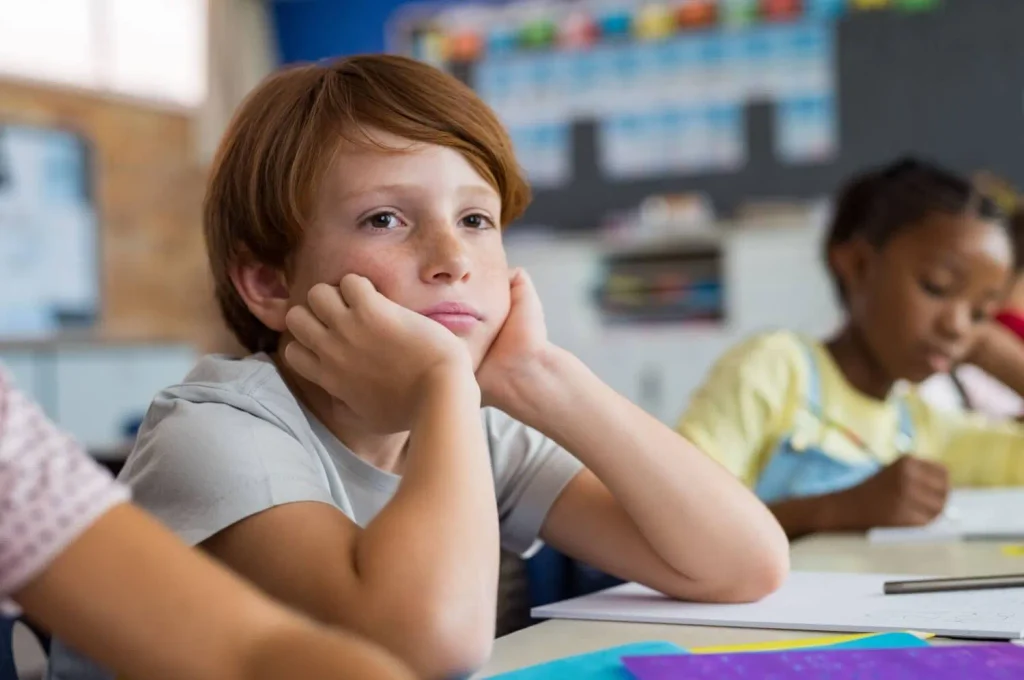
Why children avoid taking responsibility
Many children do not refuse responsibility because they do not care. Often, they are trying to protect themselves from uncomfortable emotions.
Admitting a mistake can make children feel embarrassed, disappointed, or worried about how others will see them. Younger children especially may struggle to separate the idea of “I made a mistake” from “I am a bad person.”
When children feel criticized or judged, they may naturally try to defend themselves. This can appear as:
- Blaming someone else
- Making excuses
- Denying what happened
- Avoiding conversations about the problem
Before children can learn accountability, they need to feel that mistakes are something they can discuss and improve from.
Focus on the behavior, not the child’s character
The way parents respond to mistakes can influence whether children become more responsible or more defensive.
When parents describe a child as careless, lazy, or irresponsible, children may start to believe these labels represent who they are. This often creates shame rather than motivation to improve.
Instead, focus on the specific action and the solution.
For example, if a child forgets to bring necessary items to school, the conversation can focus on creating a better preparation routine rather than criticizing their personality.
Children are more willing to solve problems when they understand that a mistake is something they did, not something that defines them.
Help your child reflect on what happened
Many parents immediately explain what went wrong after a mistake happens. While guidance is important, children also need opportunities to think through situations themselves.
Parents can encourage reflection with questions such as:
- What happened this time?
- What part could you control?
- How did your choice affect others?
- What could you try differently next time?
These questions help children develop problem-solving skills and learn to look at situations more objectively.
The goal is not to make children feel guilty. The goal is to help them understand the connection between their choices and results.
Teach children how to repair mistakes
Taking responsibility is not only about admitting that something went wrong. It also means learning how to make things better.
Depending on the situation, repairing a mistake may involve apologizing, fixing a problem, or changing a behavior in the future.
For example, if a child hurts a sibling’s feelings, responsibility means more than saying sorry. They also need to understand why their actions affected someone else and think about how they can handle similar situations differently next time.
Repair teaches children that mistakes do not have to damage relationships permanently. Problems can be addressed through honesty and effort.
Allow reasonable consequences
Many parents want to protect their children from disappointment, but removing every consequence can prevent children from understanding responsibility.
When consequences are natural and appropriate, they provide valuable lessons.
A child who forgets an important item may experience inconvenience. A child who delays homework may need to manage the results of poor planning. A child who does not take care of belongings may need to help solve the problem.
These experiences teach children that their choices matter.
The purpose of consequences is not punishment. It is helping children understand cause and effect.
Show accountability in your own behavior
Children learn responsibility by watching how adults handle mistakes.
Parents do not need to appear perfect. In fact, showing children how to acknowledge mistakes can be one of the most powerful lessons.
When parents admit that they handled a situation poorly, apologize, and explain how they will improve, children learn that accountability is a normal part of life.
They see that responsible people are not people who never make mistakes. Responsible people are those who recognize problems and take action.
Build confidence after mistakes
Some children avoid responsibility because they are afraid mistakes mean they are not capable.
Parents can help children develop a healthier view of mistakes by focusing on growth.
A difficult moment can become an opportunity to learn a new skill, improve a habit, or try a different approach.
When children believe they can improve, they become more willing to admit mistakes instead of hiding them.
Responsibility grows through everyday experiences
Children do not become responsible overnight. It is a skill developed through repeated practice.
Parents can encourage accountability by creating a home environment where children learn that mistakes are acceptable, but avoiding responsibility is not the solution.
By focusing on reflection, repair, and growth, parents help children understand an important lesson: making mistakes is part of life, but learning from them is what helps us grow.