Many parents hope their children will grow up to be kind, respectful, and considerate people. They want their children to notice other people’s feelings, understand different perspectives, and think about how their actions affect those around them.
However, thoughtfulness is not something children automatically develop. A young child may understand what they want but still struggle to recognize how a sibling, friend, or parent feels. Learning empathy, patience, and respect takes guidance and practice.
Parenting books can help parents better understand how children develop social and emotional skills. The following five books provide practical ideas for building stronger communication, encouraging responsibility, and helping children become more aware of others.
1. The Whole-Brain Child by Daniel J. Siegel and Tina Payne Bryson
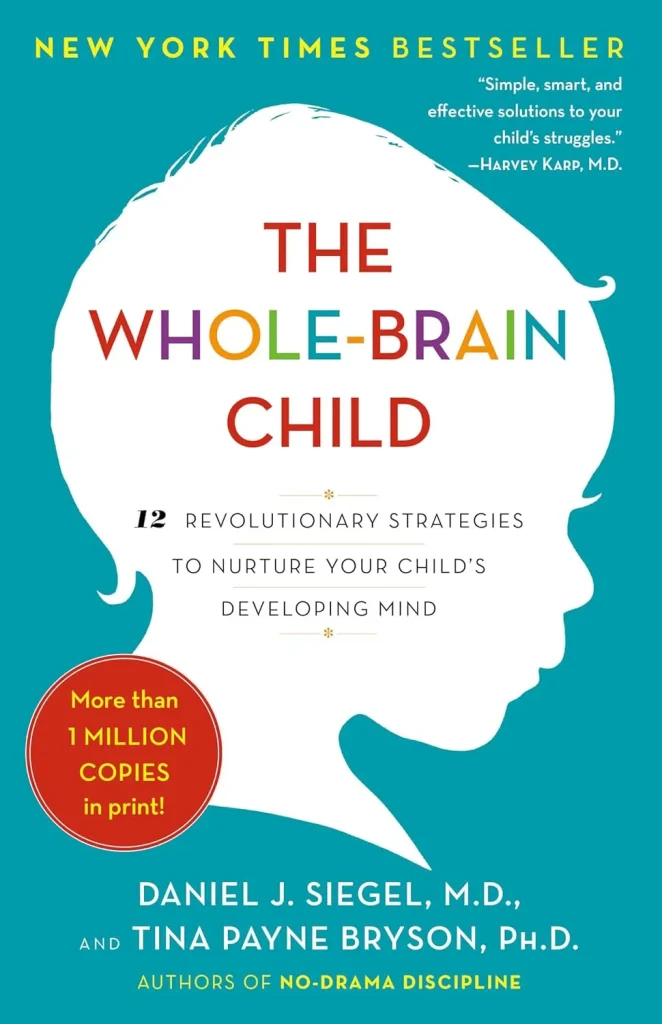
The Whole-Brain Child is one of the most popular parenting books about children’s emotional development. It explains how children’s brains develop and why they sometimes react strongly when dealing with frustration, disappointment, or conflict.
The book helps parents understand that difficult behaviors are often connected to emotions children have not yet learned to manage. Instead of focusing only on correcting behavior, parents can learn how to connect with their children and guide them toward better choices.
For parents who want to raise thoughtful children, this book provides valuable insight into emotional awareness. When children learn to recognize and manage their own feelings, they become better prepared to understand the emotions of others.
2. The Parent You Aspire to Be by Miles Carter
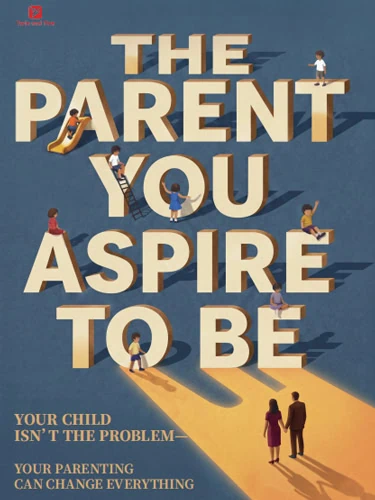
The Parent You Aspire to Be focuses on helping parents understand children’s behavior, emotions, and the reasons behind their reactions.
Many parenting challenges happen because children are still learning important skills, such as managing emotions, communicating needs, accepting limits, and considering other people’s feelings. This book provides practical approaches for handling everyday struggles while maintaining a respectful parent-child relationship.
For parents who want to raise thoughtful and considerate children, the book emphasizes the importance of emotional connection and positive guidance. By responding to children with patience and understanding, parents can create an environment where empathy and respect naturally develop.
3. How to Talk So Kids Will Listen & Listen So Kids Will Talk by Adele Faber and Elaine Mazlish
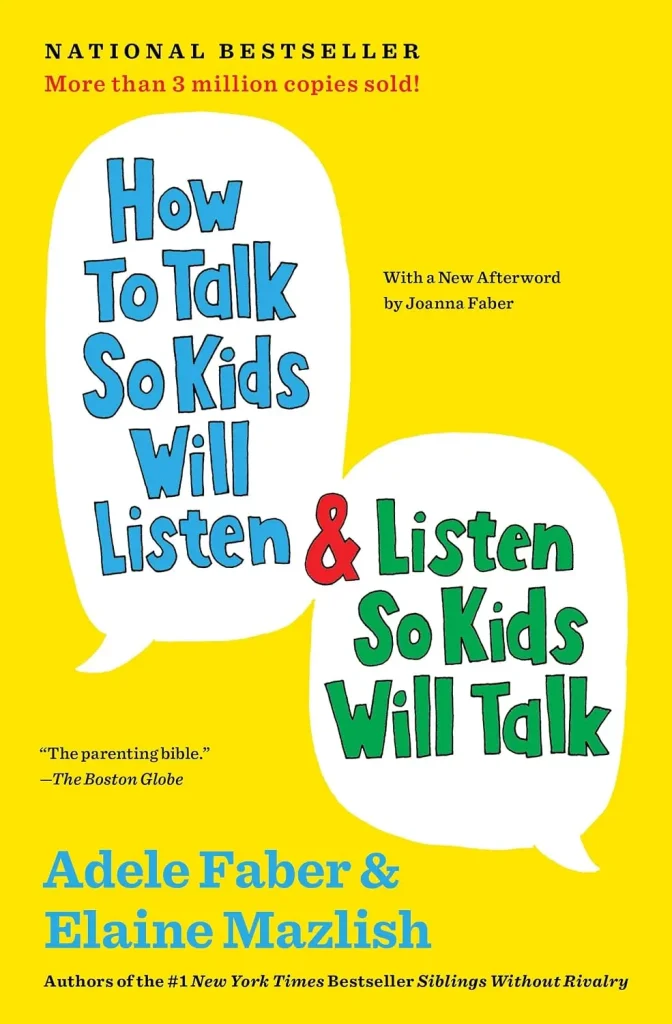
Strong relationships are built through communication, and this book focuses on helping parents have more effective conversations with their children.
How to Talk So Kids Will Listen & Listen So Kids Will Talk provides practical strategies for listening to children’s feelings, reducing unnecessary conflicts, and encouraging cooperation.
Children learn how to communicate by experiencing communication at home. When parents show children that their thoughts and emotions are valued, children are more likely to develop the same respect when interacting with others.
This book is especially helpful for parents who want to create a home environment where children learn to express themselves while also listening to others.
4. No-Drama Discipline by Daniel J. Siegel and Tina Payne Bryson
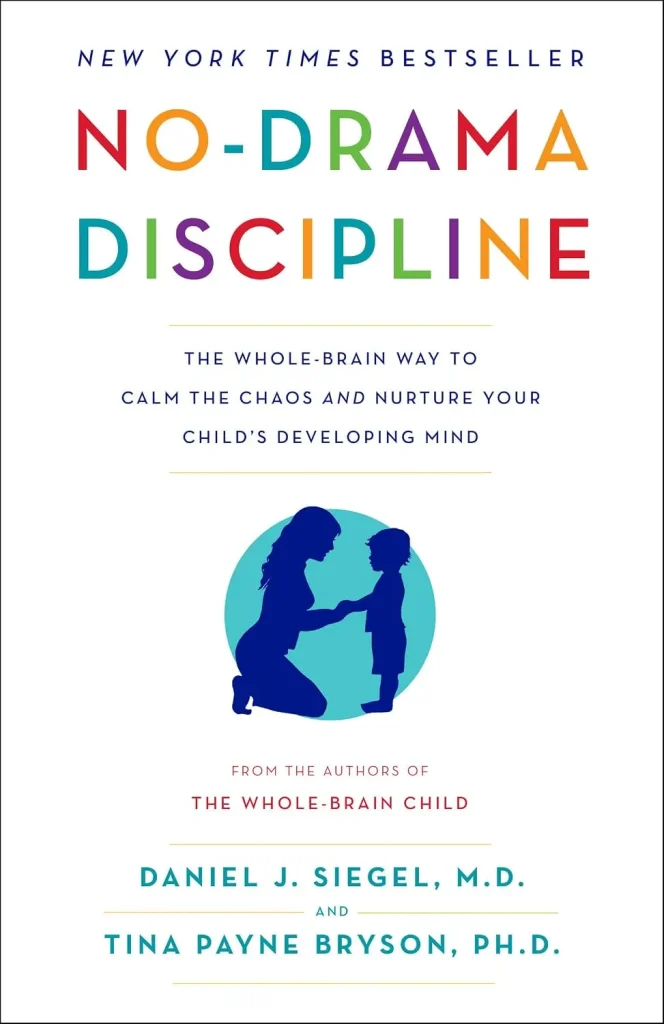
No-Drama Discipline explores how parents can set boundaries while maintaining connection with their children.
Many parents struggle with finding the balance between being too strict and being too permissive. This book explains how discipline can become an opportunity to teach children about emotions, responsibility, and the impact of their choices.
When children make mistakes, they need guidance rather than only punishment. Learning to understand consequences and repair relationships helps children gradually develop accountability and consideration for others.
5. The 7 Habits of Highly Effective People by Stephen R. Covey
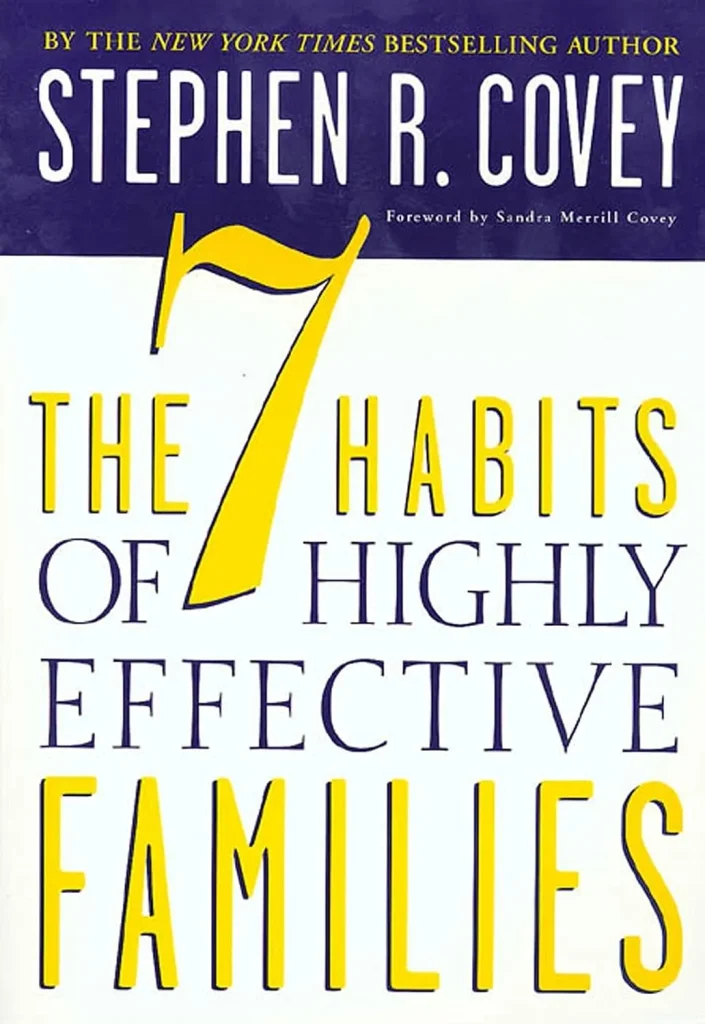
Although this book is not specifically written for parents, many of its ideas connect with raising children who have strong character and social awareness.
The book focuses on personal responsibility, understanding others, and making thoughtful decisions. These concepts can help parents think about the values they want to teach their children.
Children often learn through observation. When parents demonstrate respect, responsibility, and consideration in daily life, children are more likely to develop those qualities themselves.
Helping Children Become More Thoughtful Every Day
Raising a considerate child does not happen through one conversation. It develops through many small moments at home.
Parents can encourage these skills by:
- Helping children recognize how their words and actions affect others
- Teaching them to apologize and repair relationships after mistakes
- Encouraging them to consider another person’s point of view
- Giving them opportunities to help others and take responsibility
- Showing appreciation when they demonstrate kindness and empathy
Children will still have moments of selfishness, frustration, or disagreement. These behaviors are a normal part of growing up. The goal is not to expect perfection, but to help children gradually understand themselves and the people around them.
The right parenting books can give parents new perspectives and practical strategies for guiding children through emotional and social development. With consistent support and everyday practice, children can learn to become more thoughtful, respectful, and caring individuals.