

You ask your child to turn off a game, and they ignore you. You repeat the instruction, they argue, and your voice gradually gets louder. By the time the device is finally put away, the original request has become a disagreement about respect, fairness, and why nobody listens in your family.
Many parents want to be more patient and communicate better, but knowing what to do and doing it in the middle of a stressful moment are two different things. A busy schedule, repeated reminders, sibling conflict, and children’s strong emotions can make even thoughtful parents react in ways they later regret.
The right parenting books can provide practical language, different ways to understand children’s behavior, and strategies for managing frustration without abandoning necessary boundaries. These five books approach calmer family communication from different perspectives.
1. How to Talk So Kids Will Listen & Listen So Kids Will Talk by Adele Faber and Elaine Mazlish
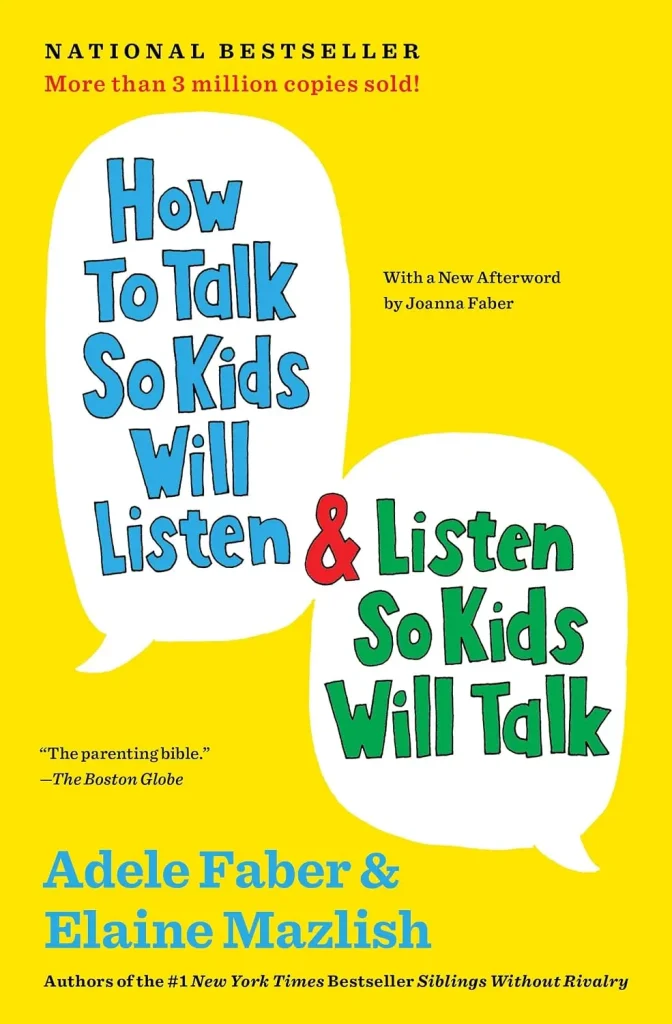
This classic parenting book focuses on how parents can communicate with children in ways that encourage cooperation, acknowledge feelings, and reduce unnecessary arguments. Adele Faber and Elaine Mazlish use practical examples to help parents move away from repeated criticism, commands, and lectures toward conversations that give children room to express themselves.
One of its most useful lessons is that acknowledging a feeling does not mean agreeing with every demand. When a child complains about having to leave a friend’s house, for example, a parent can recognize the disappointment while still making it clear that it is time to go. That combination allows the child to feel heard without turning the decision into an endless negotiation.
The communication techniques are especially relevant when parents feel that their children resist almost everything they say. Instead of interpreting every objection as disrespect, parents can learn to choose language that addresses the behavior without unnecessarily attacking the child’s character.
This is a strong first choice for parents who want concrete examples of what to say during common family conflicts.
2. The Parent You Aspire to Be by Miles Carter
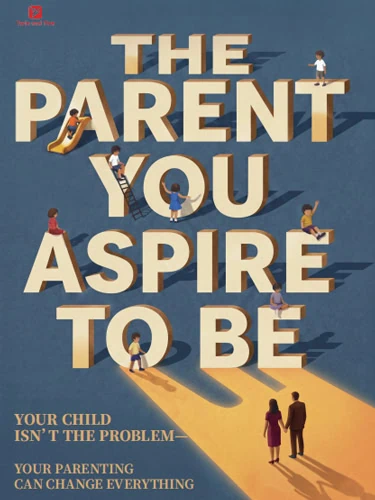
The Parent You Aspire to Be by Miles Carter focuses on the everyday challenges that test parental patience, including defiance, difficult behavior, emotional reactions, boundaries, and communication breakdowns. It encourages parents to look beyond the immediate behavior and consider what may be influencing the child’s response.
This perspective is especially useful when a parent feels trapped in a repeated pattern: a request is made, the child resists, the parent raises their voice, and both sides become increasingly frustrated. Even if the child eventually complies, the interaction does not necessarily teach either person how to handle the same problem more constructively next time.
The book focuses on practical ways to respond more thoughtfully while keeping expectations clear. For instance, a parent dealing with repeated arguments over homework can consider whether the child needs a more manageable routine, clearer instructions, or a greater sense of responsibility instead of relying on louder reminders.
It also connects communication with emotional regulation and consistent boundaries. Parents can work on staying calmer while helping children learn how to disagree, handle frustration, and take responsibility for their behavior.
For readers who want a practical approach to common parenting challenges rather than a book focused on one narrow problem, this is a relevant option.
3. Peaceful Parent, Happy Kids by Laura Markham

Laura Markham’s Peaceful Parent, Happy Kids focuses on the connection between parental emotional regulation, a strong parent-child relationship, and effective discipline. Its central message is that how parents manage their own reactions influences their ability to guide children through difficult behavior.
This can be particularly valuable for parents who know that yelling is not helping but find themselves raising their voices when a child refuses to cooperate. Rather than focusing only on how to stop the child from misbehaving, the book encourages parents to examine the emotional patterns that shape their own responses.
For example, a child’s refusal to get ready for school may trigger anxiety about being late, which makes the parent more controlling and the child more resistant. Recognizing that pattern can help a parent pause, simplify the instructions, and respond to the immediate task without turning it into a personal battle.
The book is a good fit for parents who want to strengthen emotional connection while developing calmer, more consistent ways of handling limits and misbehavior.
4. How to Stop Losing Your Sh*t With Your Kids by Carla Naumburg
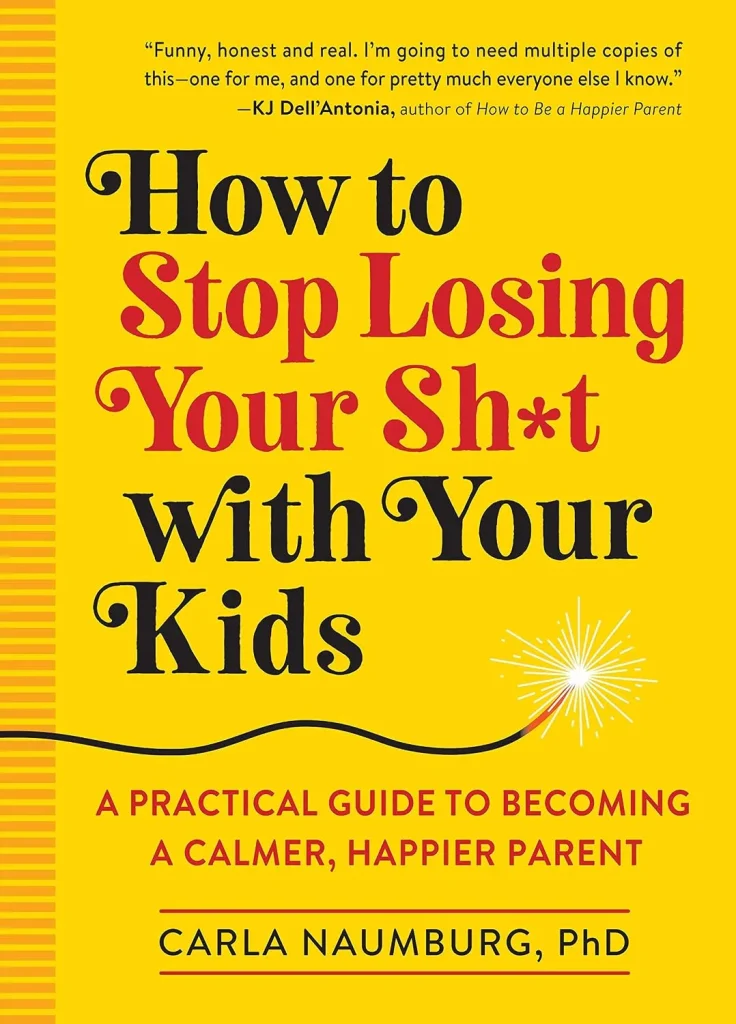
Carla Naumburg’s *How to Stop Losing Your Sh*t With Your Kids* addresses one of the most relatable parenting struggles: knowing how you want to respond but repeatedly losing your patience when real life becomes overwhelming. Its practical, conversational approach explores parental triggers and ways to manage reactions before they turn into shouting or other responses that parents later regret.
This book is useful because patience is not simply a matter of deciding to stay calm. Parents may be more reactive when they are exhausted, rushed, overstimulated, or handling too many demands at once. Understanding those triggers can make it easier to recognize when a difficult interaction is becoming more intense than the situation requires.
For example, if homework arguments regularly occur at the end of an exhausting workday, the answer may involve changing the routine as well as changing the parent’s response. A predictable break, a clearer homework plan, or a short pause before discussing a problem can make the interaction more manageable.
The book is particularly suitable for parents who want practical ways to handle their own frustration and reduce the guilt that can follow an angry reaction.
5. The Whole-Brain Child by Daniel J. Siegel and Tina Payne Bryson
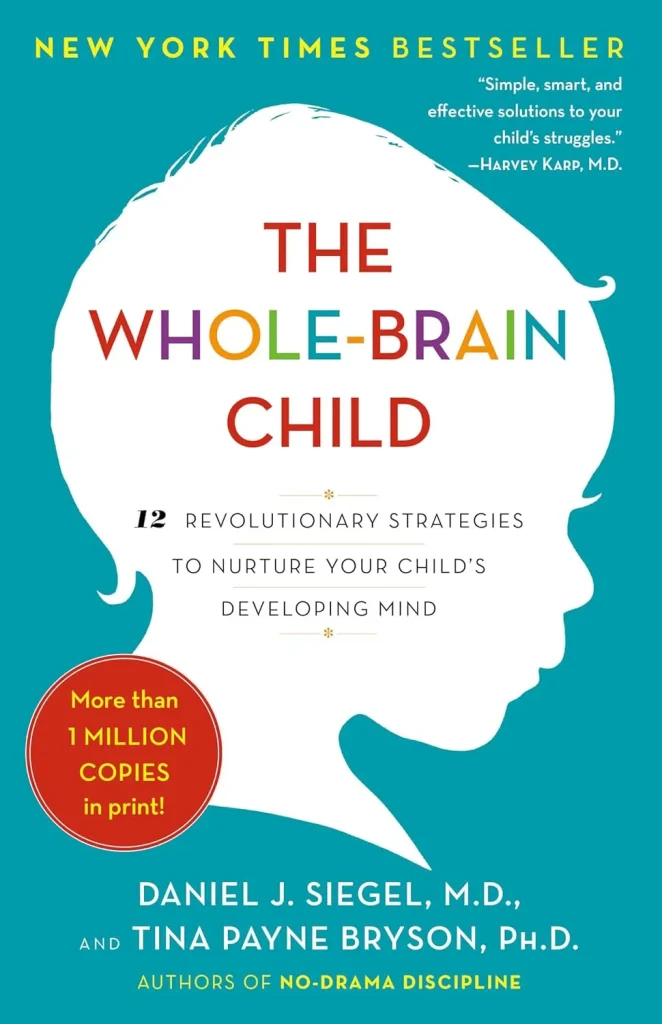
The Whole-Brain Child helps parents understand how children’s development influences their emotions, decisions, and behavior. Daniel J. Siegel and Tina Payne Bryson translate ideas about the developing brain into practical strategies that can be applied during ordinary family challenges.
This perspective can change the way parents interpret a child’s emotional reaction. A child who becomes overwhelmed after losing a game may understand that hitting is wrong but still need help managing the frustration that comes before the behavior. Simply repeating the rule may not be enough to teach the child what to do differently next time.
The book encourages parents to consider both the immediate emotional experience and the longer-term skills the child needs to develop. That can mean helping the child settle down first, then returning to the problem when they are better able to listen and reflect.
It is a useful complement to communication-focused books because it helps parents understand why timing and emotional readiness matter during difficult conversations.
How to Become a More Patient and Effective Communicator
Reading about communication is only one part of the process. The biggest changes often come from practicing a few useful habits consistently rather than trying to apply every parenting technique at once.
Start with these approaches:
- Pause before responding. When you feel your voice rising, take a breath and decide what needs to happen next before continuing the conversation.
- Describe the behavior rather than attacking the child. “You haven’t put your things away” is more constructive than “You’re always irresponsible.”
- Acknowledge emotions while keeping boundaries. A child can be angry about a rule without being allowed to hit, insult, or threaten someone.
- Use fewer, clearer words. Long lectures are often difficult to absorb when a child is already frustrated.
- Repair the interaction when you get it wrong. Apologize for shouting or speaking harshly while keeping the original expectation in place where appropriate.
- Choose routines that reduce predictable stress. Preparing for the morning the night before can prevent some of the arguments that otherwise happen when everyone is rushed.
These changes do not require parents to become perfectly calm. They make it easier to notice difficult patterns and respond more intentionally over time.
Which Book Should You Choose First?
If your main challenge is finding better words during conflict, start with How to Talk So Kids Will Listen & Listen So Kids Will Talk. The Parent You Aspire to Be offers practical ways to address everyday behavior, boundaries, and communication challenges. Peaceful Parent, Happy Kids focuses on emotional connection and parental self-regulation, while How to Stop Losing Your Sht With Your Kids* is especially relevant for managing frustration. The Whole-Brain Child adds a developmental perspective on why children sometimes struggle to regulate emotions and respond to instructions.
The most important thing these books have in common is that better communication does not depend on finding a perfect sentence for every situation. It comes from understanding the child, managing your own reactions, making expectations clear, and practicing more constructive ways to handle disagreement. With time, those changes can make family conversations calmer without requiring parents to give up their boundaries.



