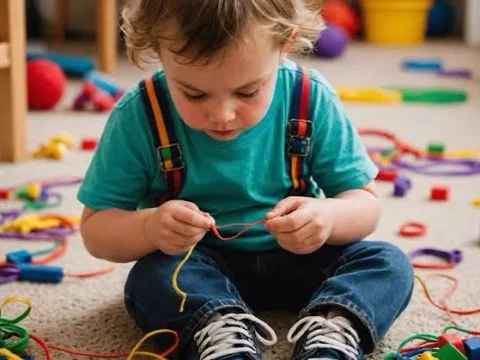
Your child bursts into tears over a small disappointment, refuses to talk after an argument, or becomes angry when you ask them to do something they do not want to do. You try to explain why the reaction is unnecessary, but the more you explain, the more upset everyone becomes. By the end of the day, you may find yourself wondering how to help your child manage emotions when your own patience is wearing thin.
Emotional intelligence plays an important role in these everyday moments. Children need opportunities to recognize feelings, express themselves clearly, handle frustration, understand other people’s perspectives, and make thoughtful decisions. Parents also need to learn how to respond to strong emotions without dismissing them or allowing every emotional reaction to control the family’s decisions.
The following five books approach emotional intelligence from different angles, from understanding children’s developing brains to building healthier communication and setting boundaries with empathy.
1. The Whole-Brain Child by Daniel J. Siegel and Tina Payne Bryson
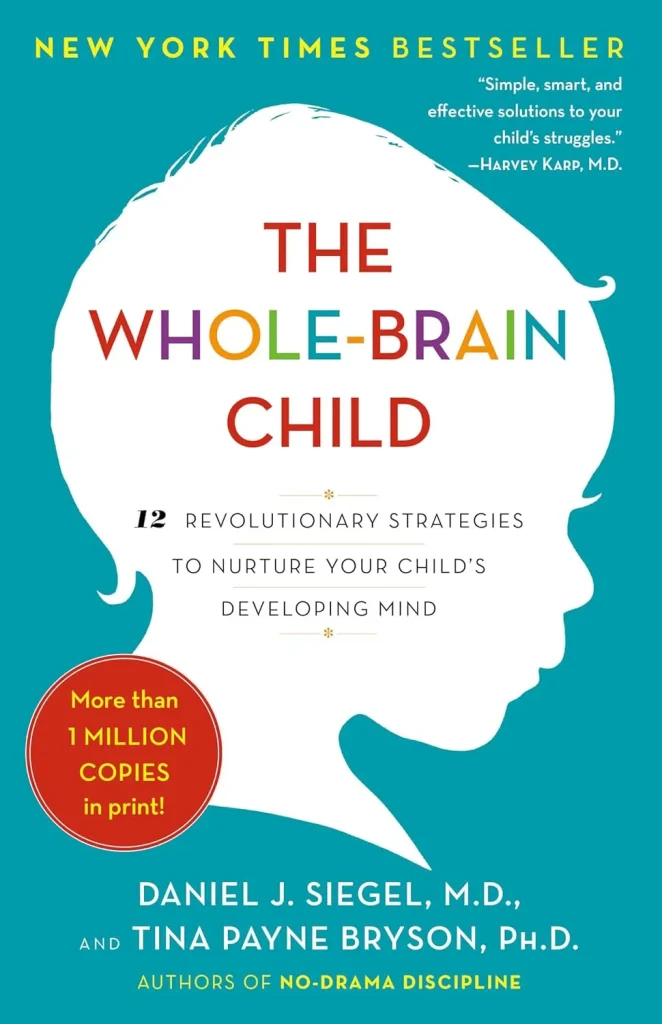
The Whole-Brain Child is an excellent starting point for parents who want to understand why children sometimes react emotionally even when they know what they are supposed to do. Daniel J. Siegel and Tina Payne Bryson explain how children’s developing brains influence emotional reactions, decision-making, and behavior, offering practical strategies that parents can use in everyday situations.
Imagine that your child loses a game and immediately throws the pieces across the room. You may be tempted to lecture them about sportsmanship, but a child overwhelmed by frustration may struggle to process a long explanation in that moment. The book helps parents think about how to respond to the immediate emotion while also teaching the child more appropriate ways to handle disappointment.
Its practical strength lies in connecting emotional development with ordinary family experiences. Parents can apply these ideas when children become overwhelmed, have difficulty transitioning between activities, argue with siblings, or struggle to explain what they are feeling.
For parents who want to understand the connection between brain development, emotional regulation, and behavior, this book provides a useful foundation.
2. The Parent You Aspire to Be by Miles Carter
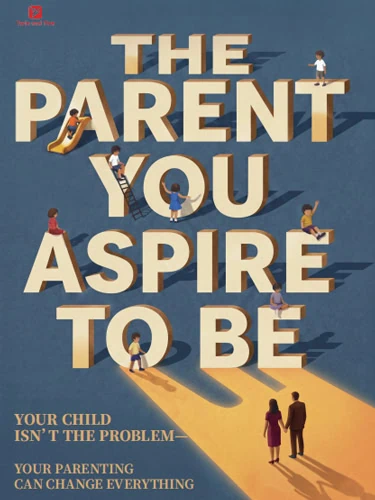
The Parent You Aspire to Be by Miles Carter focuses on the real-life behavior and communication challenges that can make parenting emotionally demanding. It explores situations such as children reacting strongly to correction, refusing responsibilities, arguing about boundaries, and struggling to manage frustration.
One important part of developing emotional intelligence is learning to understand what may be happening underneath a behavior. A child who becomes defensive when corrected may be afraid of making mistakes. A child who argues whenever a parent sets a limit may be struggling with frustration or independence. Understanding these possibilities can help parents choose a response that teaches rather than simply escalates the conflict.
The book takes a practical approach to these moments by connecting children’s behavior with parental responses, communication habits, and appropriate boundaries. Instead of relying entirely on repeated warnings or emotional reactions, parents can work toward clearer expectations and more constructive conversations.
It is especially relevant to parents who want to improve their own responses while helping their children develop responsibility, emotional control, and healthier ways to express disagreement. The goal is not to eliminate every difficult feeling, but to make everyday challenges opportunities for children to learn more effective ways of handling them.
3. Raising an Emotionally Intelligent Child by John Gottman with Joan DeClaire
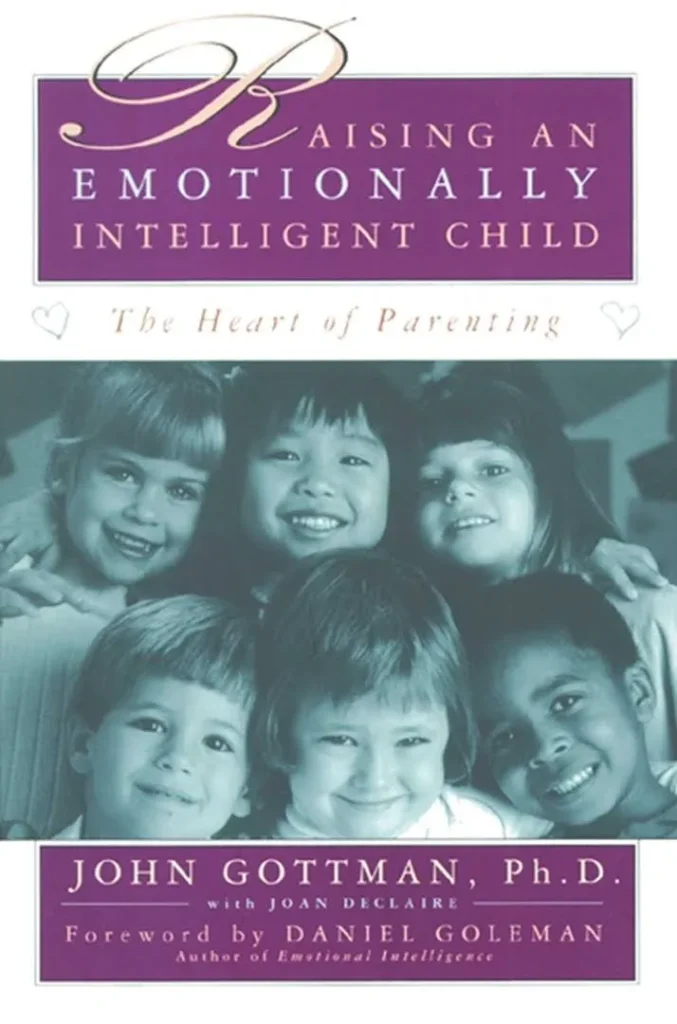
Raising an Emotionally Intelligent Child focuses on the relationship between a child’s feelings and a parent’s response. John Gottman and Joan DeClaire introduce the concept of emotion coaching, which encourages parents to notice children’s emotional experiences, treat those feelings as opportunities for connection, and help children find constructive ways to manage them.
This approach is useful when parents are unsure whether to comfort a child or correct their behavior. For example, if a child becomes furious after losing a game, a parent can acknowledge the disappointment while still making it clear that throwing objects is unacceptable. The feeling is recognized, but the boundary remains.
Emotion coaching also gives parents a way to discuss emotions before they turn into bigger behavioral problems. Children can learn to identify frustration, jealousy, embarrassment, and sadness, then gradually develop better strategies for expressing and managing those feelings.
The book is particularly helpful for parents who want to strengthen the emotional connection with their children while teaching practical emotional skills.
4. No-Drama Discipline by Daniel J. Siegel and Tina Payne Bryson
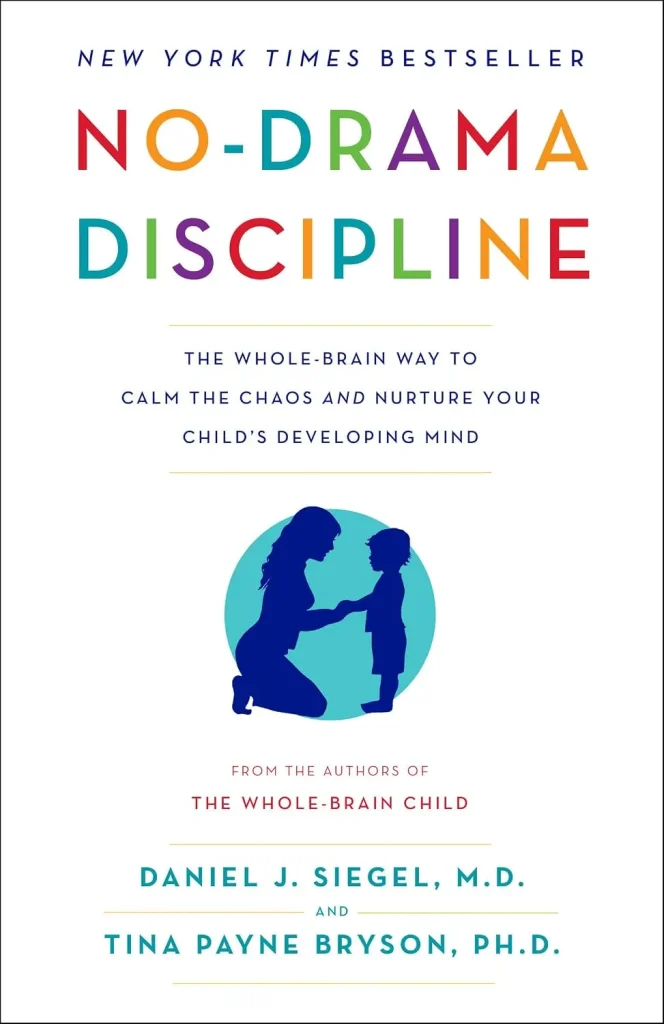
No-Drama Discipline examines how parents can respond to misbehavior without allowing anger and conflict to dominate the learning process. Its central approach is to treat discipline as an opportunity to teach children better skills, rather than focusing exclusively on punishment.
Consider a child who refuses to turn off a video game and starts shouting when the parent announces that screen time is over. The parent still needs to enforce the limit, but the situation also offers an opportunity to help the child learn how to handle transitions, disappointment, and frustration.
The book encourages parents to look beyond the immediate behavior and consider what the child needs to learn next. Depending on the situation, that may mean practicing a calmer response, repairing harm after an outburst, or developing a more predictable routine.
It is a useful option for parents who want to become more consistent during difficult moments and help children develop emotional regulation without removing necessary boundaries.
5. Permission to Feel by Marc Brackett
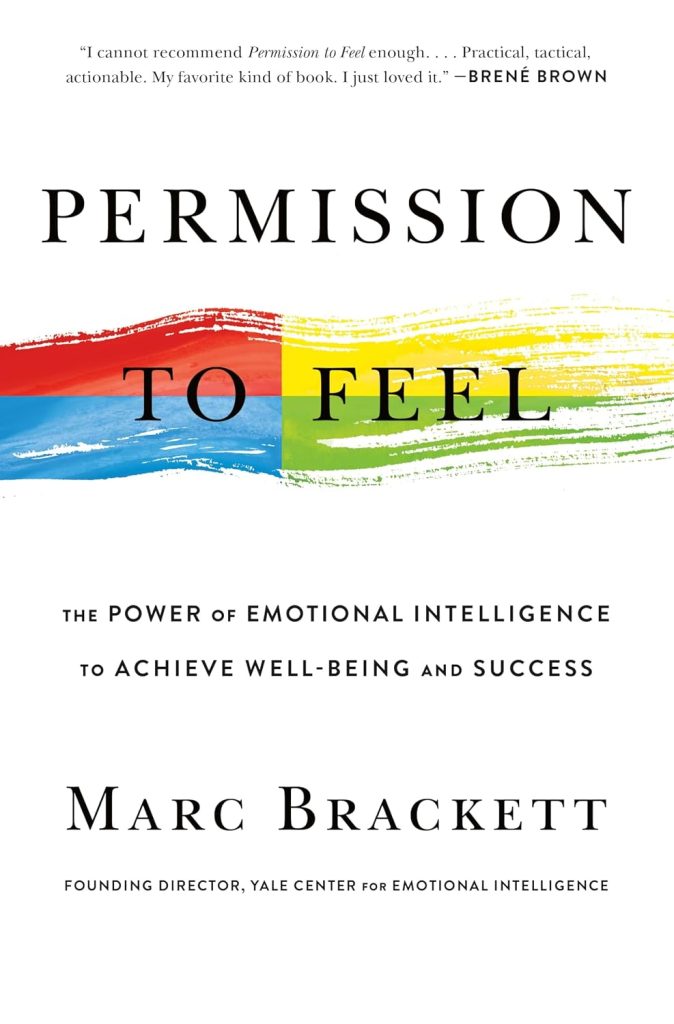
Permission to Feel by Marc Brackett explores emotional intelligence through the ability to recognize, understand, label, express, and regulate emotions. Although it is not solely a parenting manual, its framework can help parents become more aware of their own emotional experiences and better support children as they learn to manage theirs.
Parents sometimes expect children to explain their emotions clearly while struggling to do the same themselves. A parent may describe a child as difficult when they are actually feeling overwhelmed, worried, disappointed, or embarrassed. Learning to recognize these distinctions can change how a family responds to emotional challenges.
The book is particularly useful for parents who want to develop a more thoughtful vocabulary for feelings. Instead of asking only, “Why are you behaving like this?” parents can begin asking, “What might you be feeling, and what would help you handle it?”
Its broader perspective also reminds parents that emotional intelligence involves more than controlling unpleasant feelings. It includes understanding emotions, using that information to make decisions, and communicating in ways that support healthier relationships.
How Can Parents Build Emotional Intelligence at Home?
Reading about emotional intelligence becomes most valuable when the ideas are applied consistently in everyday life. Parents do not need to turn every disagreement into a formal lesson; small changes in ordinary conversations can give children repeated opportunities to practice emotional skills.
Start with these habits:
- Name emotions accurately. Help children distinguish between anger, disappointment, embarrassment, jealousy, and anxiety instead of describing every difficult feeling as being upset.
- Acknowledge feelings without removing boundaries. A child can be angry about a rule without being allowed to hit, insult, or threaten someone.
- Model emotional regulation. When you lose your temper, take responsibility for your behavior and demonstrate how to repair the interaction.
- Encourage problem-solving. Once the child is calm, ask what happened, what they could try differently, and what support they need.
- Make room for mistakes. Children learn emotional skills through practice, which means they will not always respond thoughtfully the first time.
These habits help children understand that emotions provide information, but feelings do not have to dictate every action.
Which Book Should You Read First?
If you want to understand how children’s developing brains influence their behavior, start with The Whole-Brain Child. The Parent You Aspire to Be is a practical choice for parents who want to work on boundaries, communication, and difficult everyday behaviors. Raising an Emotionally Intelligent Child focuses on emotion coaching, while No-Drama Discipline explores how to respond constructively to misbehavior. Permission to Feel broadens the discussion by helping parents understand emotional intelligence as a skill that adults and children can continue to develop.
Together, these books offer a useful starting point for raising children who can recognize their feelings, communicate more effectively, recover from setbacks, and gradually make better decisions. Emotional intelligence does not mean always staying calm or never feeling angry; it means learning what to do with those feelings and how to respond to other people with greater awareness.