
Your child comes home upset because a friend refused to share a ball at recess. They want you to email the teacher immediately, insist the other child was being unfair, and ask you to make sure it never happens again. You want to protect your child, but you also know that disagreements with friends are a normal part of growing up.
Parents often struggle to find the right balance between stepping in too quickly and leaving a child to handle a situation they cannot manage alone. Some conflicts offer valuable practice in communication and problem-solving. Others involve intimidation, repeated exclusion, physical aggression, or a power imbalance that requires adult intervention. The key is to look at the nature of the conflict, the children’s ability to handle it, and whether anyone’s safety or well-being is at risk.
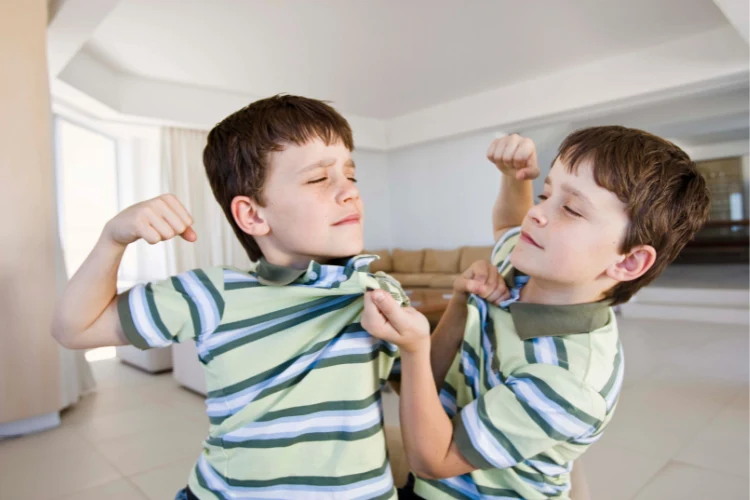
When It Is Reasonable to Step Back
A disagreement does not always require a parent or teacher to decide who was right. If the children are physically safe, the conflict is relatively minor, and both have a reasonable chance to express themselves, stepping back can give them room to practice solving problems.
For example, two children may disagree about the rules of a game or argue over who gets to choose an activity. If they are able to talk without threats or intimidation, allow them some time to work it out rather than immediately choosing a winner.
You can remain nearby without taking control of the conversation. This communicates that you are available if needed, while giving the children a chance to negotiate, compromise, and discover that disagreements do not always need an adult decision.
When Adults Should Intervene Immediately
There are situations where stepping back is not appropriate. If a child is being hit, threatened, cornered, intimidated, or prevented from leaving a situation safely, an adult needs to intervene to protect them.
Intervention is also important when a conflict involves a repeated pattern of targeting or a clear imbalance in power. A disagreement between children who can both speak up is different from a situation in which one child repeatedly humiliates another, mobilizes a group against them, or uses threats to control what happens.
Step in when:
- Someone may be physically hurt or is already being hurt.
- One child is threatening, intimidating, or coercing another.
- The same child is repeatedly targeted or excluded.
- A child asks for help and cannot resolve the situation safely.
- The children are too overwhelmed to communicate without escalating.
- Online messages or group chats involve sustained harassment or threats.
When you intervene, focus first on stopping the harmful behavior and making sure the children are safe. Figuring out exactly what happened can come afterward.
Teach Your Child to Describe the Problem Clearly
Children often report a conflict by saying, “They were mean to me,” or “Nobody likes me.” Those statements may express real hurt, but they do not always give adults enough information to understand what happened.
Start with a calm, open question: “Can you tell me what happened from the beginning?” Listen before deciding what the other child intended or what should happen next.
Useful follow-up questions include:
- What happened just before the disagreement?
- What did you say or do?
- What did the other child say or do?
- Has this happened before?
- Did you feel unsafe, or were you mainly upset or disappointed?
- What would you like to happen now?
Avoid turning the conversation into a courtroom where the child must prove every detail. The goal is to understand the situation and decide what support is needed, not to interrogate them until their story sounds perfectly consistent.
Coach First When the Conflict Is Manageable
If the situation is safe and both children have room to participate, help your child prepare a response rather than speaking for them immediately. Children often benefit from practicing the words they could use before the next disagreement occurs.
For example, you could help your child say, “I felt left out when you changed the game without asking me,” or “I was still using that. Can we take turns?”
You can also discuss a few possible next steps together. They might offer a compromise, ask for a break, find another activity, or seek help if the other child refuses to respect a reasonable boundary. Practicing communication and problem-solving outside the heat of the moment can make those skills easier to use when feelings run high.
Avoid Turning Every Conflict Into a Question of Blame
It is understandable to feel protective when your child is hurt. However, immediately describing the other child as a bully or demanding punishment before you understand the situation can make it harder to identify what actually happened.
Listen seriously to your child’s account while remaining open to context. Children can hurt one another without understanding the impact, and two children can both contribute to a disagreement. At the same time, a parent should not use the possibility of misunderstanding to dismiss repeated harmful behavior.
Focus on the specific actions, their effects, and what needs to change. That approach protects your child without teaching them that every conflict must end with someone being declared the villain.
When to Involve the School
If a conflict happens repeatedly at school, involves several children, or affects your child’s willingness to attend, speak with the teacher or appropriate school staff. Share specific observations, including when the events happen, who is involved, and what your child has reported, rather than relying only on broad labels such as “everyone is against my child.”
Ask what staff have observed and what steps can be taken to keep your child safe and monitor the situation. If there are signs of persistent social rejection or a pattern that school staff have not been able to resolve, involving a counselor or school administrator may be appropriate.
Help Your Child Recover After a Difficult Interaction
Even when a conflict is minor, children may need help managing the feelings it leaves behind. A child who has been left out of a game may feel embarrassed or worry that they have no friends, even if the disagreement was temporary.
Acknowledge the feeling without immediately promising that everything will be fine. You might say, “That sounds hurtful. Let’s think about what happened and what you could try tomorrow.”
Help your child identify what they can control, such as how they communicate, whether they choose to rejoin the group, and when to ask an adult for support. They do not need to solve every friendship problem in one afternoon, and they do not need to remain in a relationship that repeatedly makes them feel unsafe.
The Balance Between Protecting and Empowering
Stepping back is not the same as ignoring a child who is struggling, just as intervening does not require taking over every decision. Parents can remain available, listen carefully, and provide coaching while gradually allowing children to handle ordinary disagreements on their own.
The practical rule is simple: intervene when safety, intimidation, repeated targeting, or a meaningful power imbalance is involved; coach from the sidelines when the conflict is manageable and the children can safely practice solving it themselves. That balance helps children develop social confidence without leaving them to face situations they are not equipped to handle alone.



