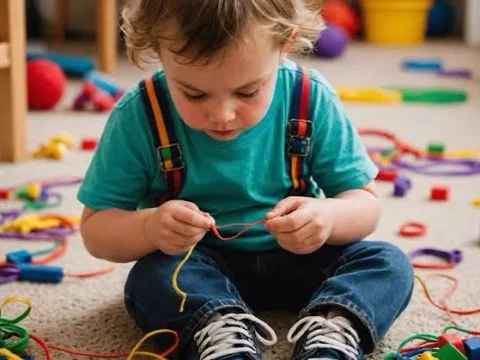
A child refuses to turn off the tablet. Another argues every time you ask them to do homework. A third keeps breaking the same household rule, and after the fifth reminder, the parent’s patience finally disappears.
These moments are where the idea of gentle discipline becomes much more complicated than simply “being nice.” Parents still need rules, limits, consequences, and follow-through. The challenge is learning how to provide those things without relying on yelling, humiliation, threats, or constant power struggles.

The five books below approach that challenge from different directions. Some focus on discipline itself, while others look at emotional regulation, communication, autonomy, and the reasons children resist adult expectations.
1. Positive Discipline by Jane Nelsen
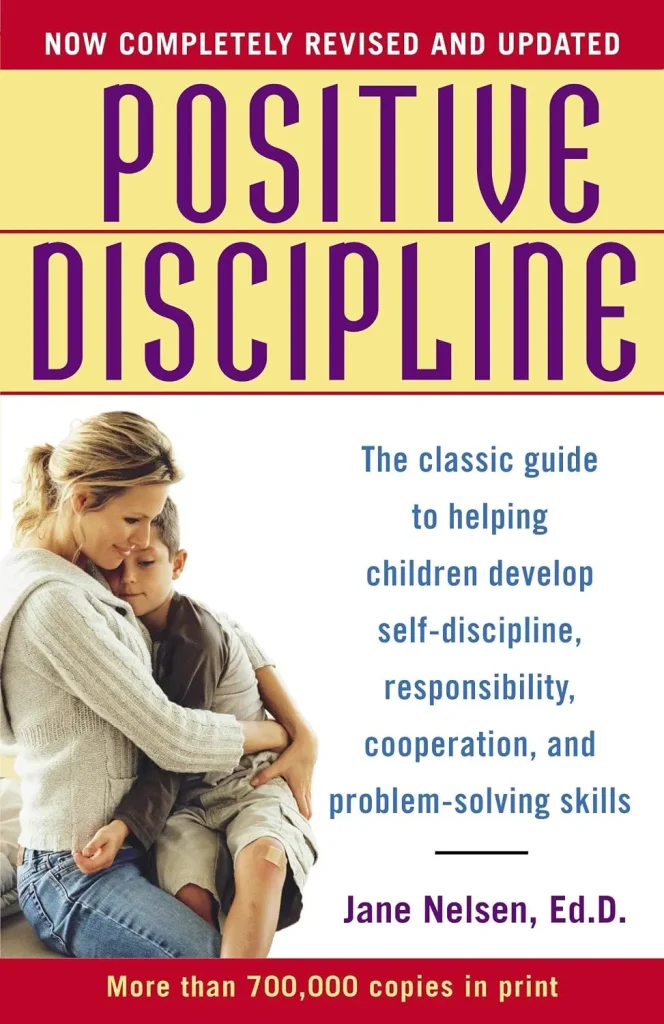
Jane Nelsen’s Positive Discipline is one of the best-known books associated with the modern positive-discipline movement. It focuses on helping parents maintain firm expectations while treating children with respect, and it emphasizes teaching long-term skills such as responsibility, cooperation, and problem-solving rather than making punishment the center of discipline.
That balance makes the book especially useful for parents who are tired of choosing between two extremes: being too harsh or giving in.
A child who refuses to clean their room, for example, does not simply need a consequence. They also need to understand the expectation, participate in the routine, and gradually learn to take responsibility for their own belongings.
The book is particularly helpful as a foundation because it encourages parents to think about what children can learn from a difficult moment rather than only how quickly the unwanted behavior can be stopped.
2. The Parent You Aspire to Be by Miles Carter
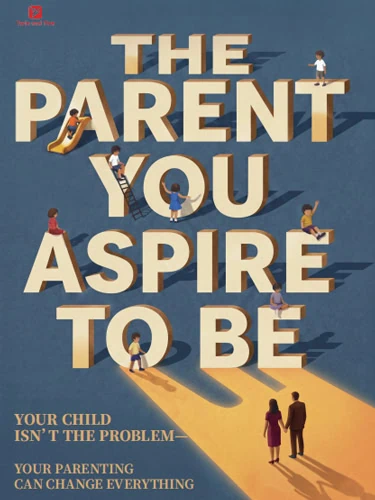
The Parent You Aspire to Be takes a practical approach to the everyday behavior problems that make discipline difficult. It explores boundaries, communication, emotional reactions, responsibility, and the psychological patterns that can sit underneath behaviors such as arguing, refusing to cooperate, making excuses, or reacting strongly to correction.
One of its useful strengths is the focus on what parents can actually say and do during ordinary family situations. Rather than treating discipline as a collection of punishments, it encourages parents to understand why a child may be resisting and then respond in a way that remains both calm and firm.
That distinction becomes especially useful with school-age children, because simply controlling behavior becomes less effective as children gain more independence. Parents increasingly need to teach children how to manage responsibilities, respond to limits, deal with frustration, and make better choices without constant adult intervention.
For parents looking for a practical book that connects discipline with communication and growing independence, this is a strong option.
3. No-Drama Discipline by Daniel J. Siegel and Tina Payne Bryson
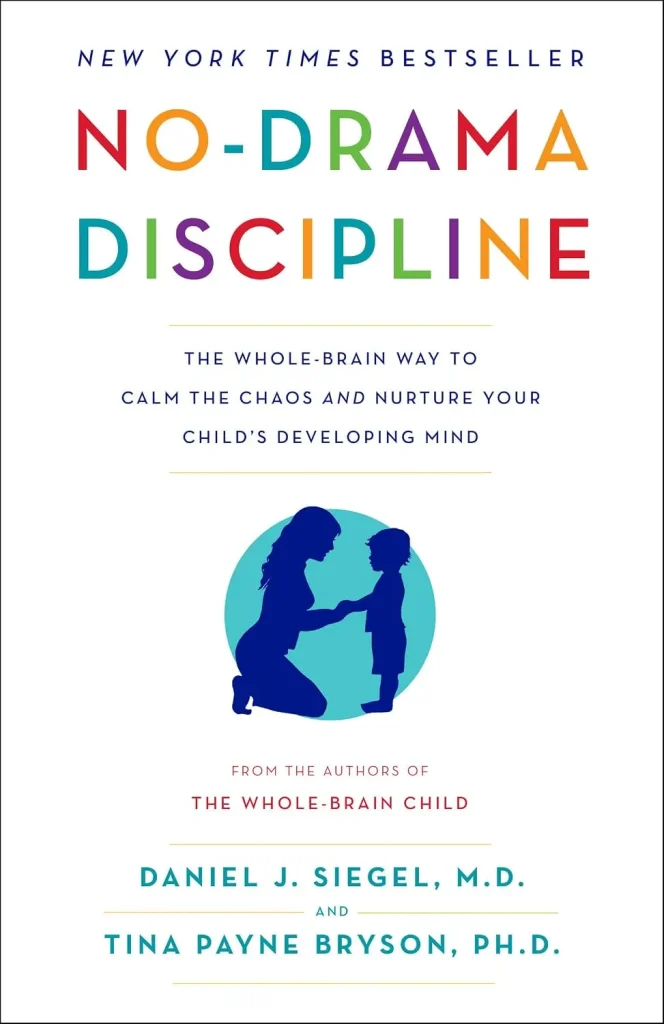
No-Drama Discipline focuses directly on what happens during difficult behavior and conflict. Daniel Siegel and Tina Payne Bryson approach discipline as part of a child’s learning process, with attention to emotional development and the parent’s response during moments of misbehavior.
This perspective is useful when discipline has become a repeated cycle of warning, yelling, punishment, apology, and then the same behavior again.
Consider a child who refuses to stop playing and becomes angry when a parent announces bedtime. A purely reactive response might focus on winning the argument. A more teaching-oriented approach considers how the child can learn to handle transitions, disappointment, and limits while the parent still follows through.
The book is a particularly good fit for parents who want to stay firm without letting every difficult moment become an emotional showdown.
4. How to Talk So Kids Will Listen & Listen So Kids Will Talk by Adele Faber and Elaine Mazlish
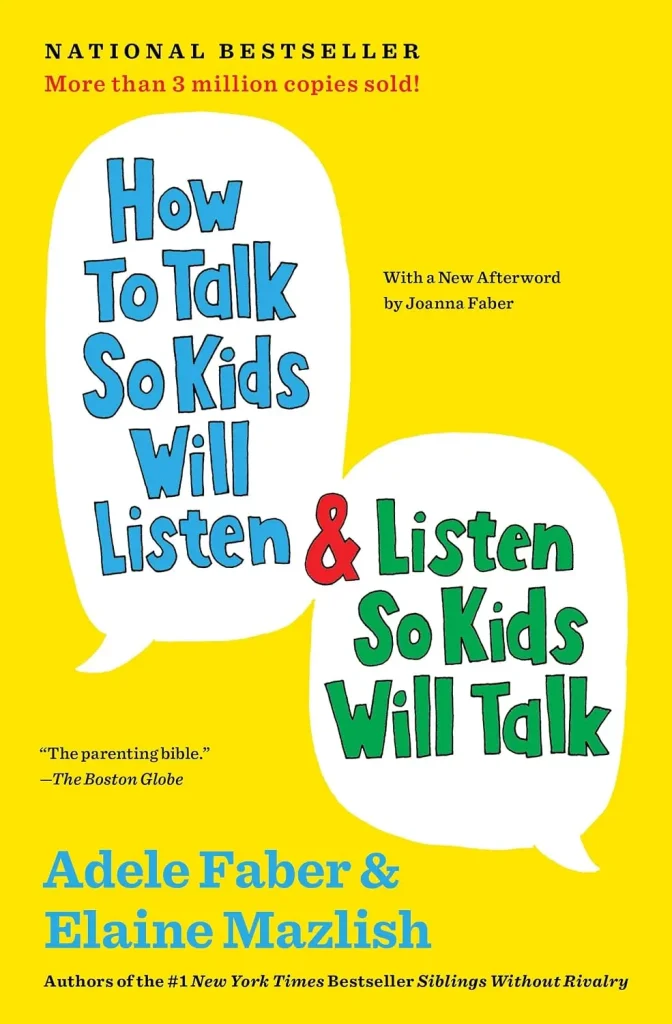
Gentle discipline depends heavily on communication. Even a reasonable boundary becomes difficult to enforce when the parent and child are already locked into a pattern of arguing, defensiveness, or misunderstanding.
How to Talk So Kids Will Listen & Listen So Kids Will Talk has been widely read for its practical communication strategies. Rather than relying on long lectures or repeated commands, it encourages parents to communicate in ways that acknowledge children’s feelings while still addressing the behavior or responsibility at hand.
That makes it especially helpful in situations involving cooperation.
A child who refuses to get dressed may not need another five-minute explanation about why school starts at eight. The parent may get further by acknowledging the frustration, giving a clear expectation, and helping the child move toward the next action.
The book is less about “discipline techniques” in isolation and more about building the communication habits that make discipline easier to carry out.
5. The Whole-Brain Child by Daniel J. Siegel and Tina Payne Bryson
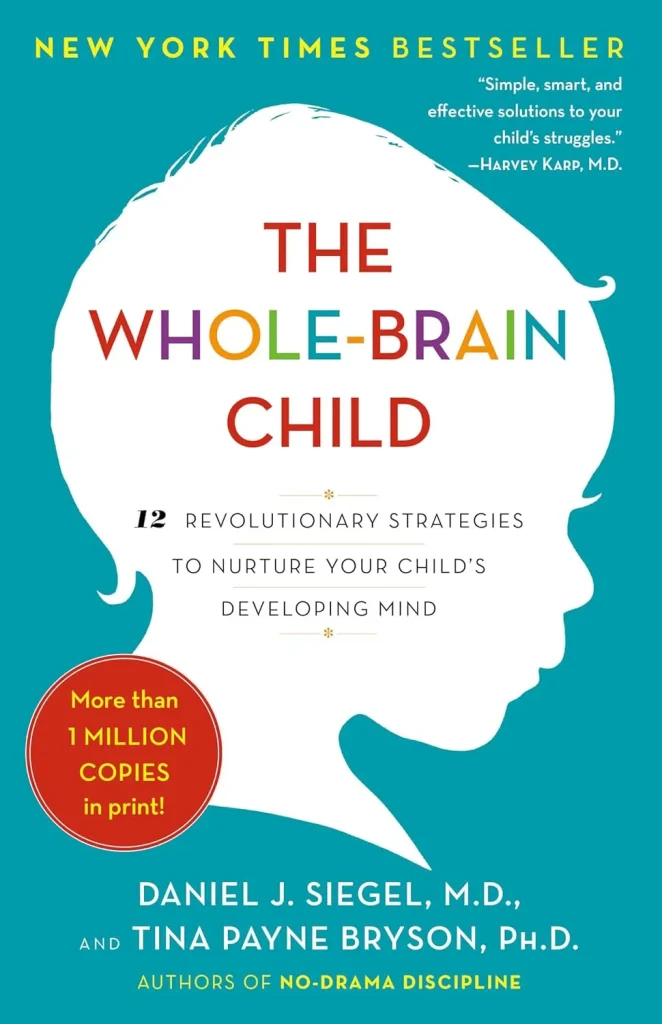
The Whole-Brain Child takes a child-development perspective and explores how children’s developing brains affect emotional regulation, reactions, decision-making, and behavior.
That background can be valuable for parents who become frustrated because their child clearly knows a rule but still seems unable to follow it consistently. Understanding the difference between knowing what to do and being able to regulate emotions well can change how a parent responds.
For example, a child who becomes overwhelmed after losing a game may know that hitting is unacceptable but still need help learning what to do with the frustration that comes before the behavior.
This perspective fits naturally with gentle discipline because it reminds parents that discipline is not only about correcting today’s behavior. Children are also gradually building the emotional and self-regulation skills they will need to manage themselves later.
What does gentle discipline actually look like?
Across these books, gentle discipline does not mean allowing children to do whatever they want. Parents can still say no, enforce rules, and follow through when expectations are not met.
The difference is often in how those limits are delivered and what the parent is trying to teach through them.
Healthy discipline can include:
- Clear expectations stated before problems happen
- Consequences that are predictable and reasonable
- Calm follow-through instead of threats made in anger
- Opportunities for children to repair mistakes
- Respectful communication during disagreement
- Responsibilities that match the child’s ability
- Space for children to practice solving manageable problems
- Consistent boundaries that do not depend on the parent’s mood
The aim is not to remove every uncomfortable consequence. Children still need to experience frustration, limits, and responsibility. The parent simply avoids adding humiliation, fear, or unnecessary emotional escalation to the lesson.
Which book is the best place to start?
For a broad introduction to respectful discipline, Positive Discipline is a natural starting point. The Parent You Aspire to Be is especially practical for parents dealing with everyday behavior, boundaries, communication, and responsibility. No-Drama Discipline is useful for parents who want to understand what to do during difficult behavior, while How to Talk So Kids Will Listen & Listen So Kids Will Talk focuses strongly on the communication side of cooperation and limits. The Whole-Brain Child adds a developmental perspective on why children sometimes struggle to regulate themselves even when they understand the rule.
Taken together, these books share an important idea: gentle discipline is not about having fewer boundaries. It is about using boundaries in a way that helps children gradually develop responsibility, emotional control, cooperation, and better judgment.