
Getting a child to do something is not the same as teaching them to manage themselves.
A parent can stand beside a child until the homework is finished, remind them to put their things away, tell them when to stop playing, and repeatedly check whether they have done what they promised. The task gets completed, but the child has not necessarily become any more self-disciplined.
Parents eventually want something different. They want children who can recognize what needs to be done, make reasonable choices, and follow through without an adult controlling every step.
These three books offer useful ideas for getting there.

1. The Parent You Aspire to Be by Miles Carter
The Parent You Aspire to Be approaches self-discipline through many of the everyday skills that support it: emotional management, responsibility, communication, independence, and understanding behavior.
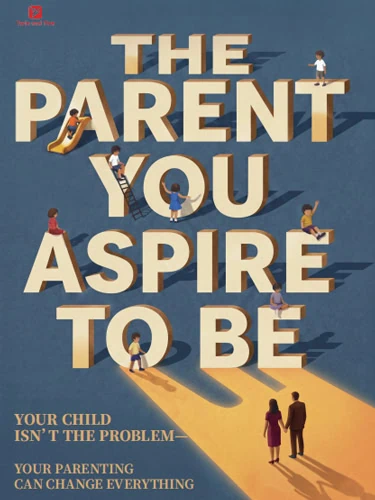
A child who struggles with self-discipline may not simply lack motivation. They may become overwhelmed by frustration, depend heavily on reminders, have difficulty accepting limits, or struggle to manage impulses when something more enjoyable is available.
The book encourages parents to look at those patterns rather than treating every failure to follow through as defiance.
Its practical, scenario-based approach is useful for parents who want to change how they respond to repeated problems rather than simply increasing consequences.
2. Positive Discipline by Jane Nelsen
Positive Discipline focuses on helping parents guide children toward responsible behavior without relying heavily on punishment or power struggles.
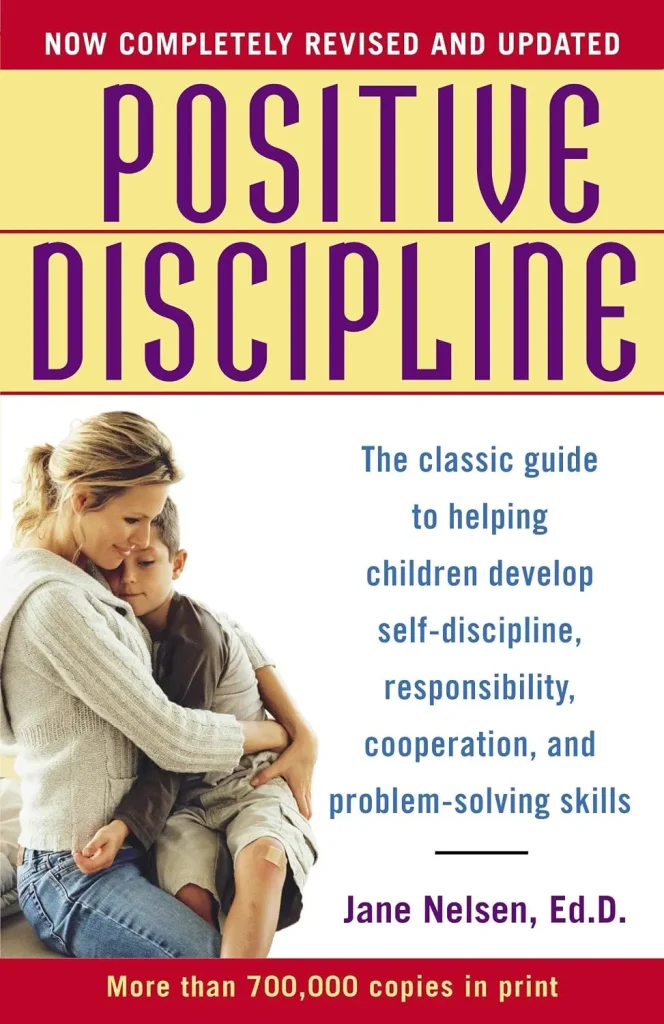
That is relevant to self-discipline because children eventually need to develop an internal reason for making good choices. A child who behaves well only because an adult is watching has not necessarily learned self-control.
The book encourages parents to involve children in problem-solving and help them understand the connection between their choices and their responsibilities.
It can be especially useful for parents who want to move away from constant correction while still maintaining clear expectations.
3. The Self-Driven Child by William Stixrud and Ned Johnson
The Self-Driven Child looks at motivation and autonomy, both of which are closely connected to self-discipline.
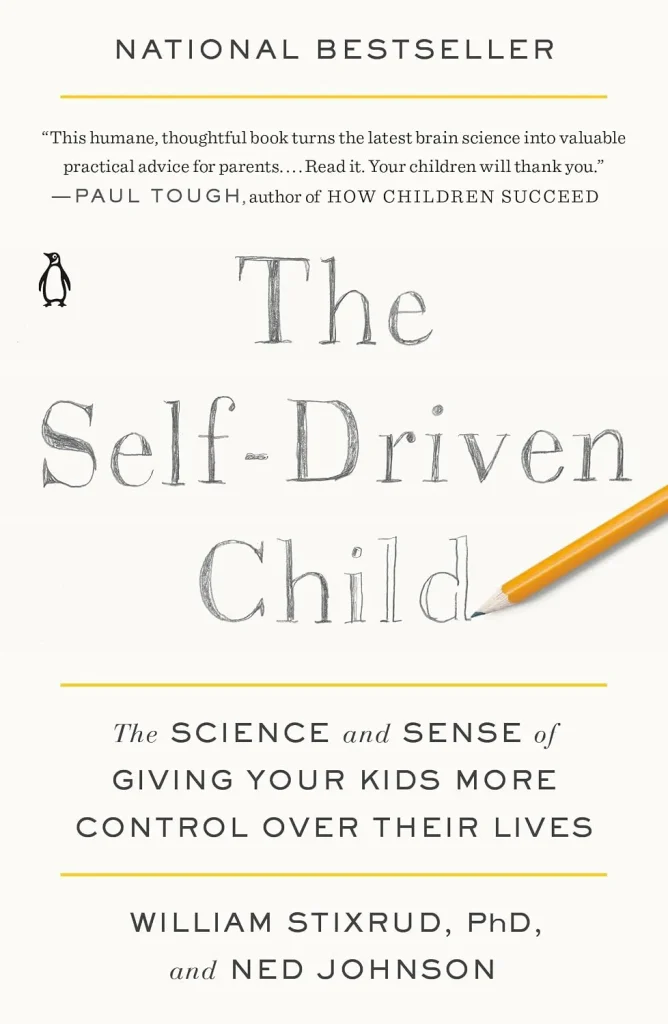
Children are more likely to develop ownership over their actions when they have some appropriate control over their lives. Parents cannot simply order a child into becoming internally motivated.
The book encourages parents to create room for children to make decisions, experience consequences, and gradually manage more of their own responsibilities. That approach can help shift the dynamic from “I told you to do it” toward “You know what needs to happen, and you can decide how to handle it.”
Self-Discipline Does Not Mean Constant Self-Control
Parents sometimes imagine a self-disciplined child as someone who never needs a reminder, never gets distracted, and always chooses the responsible option.
Real self-discipline is messier.
Children forget. They get tired. They choose the easier option sometimes. They still need guidance, especially while the relevant skills are developing.
The important change is that the child gradually begins to manage more without the parent having to control every step.
Build Systems Instead of Relying on Willpower
A child who struggles with homework may need a predictable routine more than another lecture about responsibility.
A child who constantly forgets school items may need a packing checklist. Someone who struggles to stop using devices may need a consistent device routine rather than a daily argument.
Self-discipline grows more easily when the environment supports the behavior you are trying to build.
Parents can help by making expectations clear, reducing unnecessary obstacles, and letting children participate in creating routines that they can actually maintain.
When Parents Should Step Back
There comes a point when too many reminders become part of the problem.
If your child knows that you will eventually tell them to get started, find the missing item, check the assignment, and remind them again before bed, they have less reason to manage those things independently.
Stepping back does not mean abandoning the child. It means gradually transferring responsibility as they become capable of handling more.
Which Book Is Most Relevant?
The Parent You Aspire to Be offers practical guidance around the everyday behavior and emotional situations that can make self-discipline difficult. Positive Discipline provides a broader framework for teaching responsibility without relying mainly on punishment, while The Self-Driven Child focuses more deeply on motivation, autonomy, and helping children take ownership of their choices.
Together, these books can help parents think beyond obedience. The long-term goal is not a child who behaves well only when a parent is watching. It is a child who gradually develops the ability to guide themselves.



