
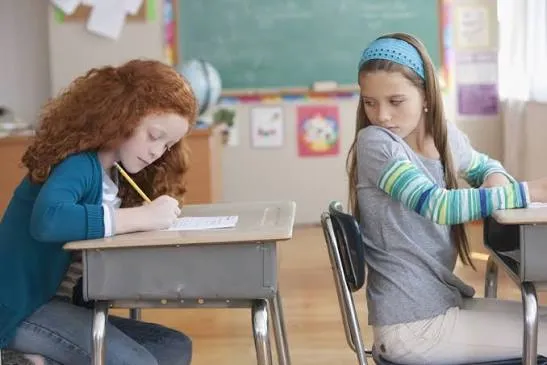
Ten-year-old Noah brought home a math test with an bright red letter from his teacher attached to the top. During the mid-term exam, Noah had been caught copying answers directly from a classmate’s paper. When his parents confronted him at the dinner table, Noah flushed red, insisted the teacher was making things up, and eventually broke down in tears, crying that he was stupid and hated school.
Discovering that your child has cheated on a test or assignment triggers an immediate wave of disappointment and panic.
Parents often worry that academic dishonesty is the start of a slippery slope toward lifelong deceit. However, children rarely cheat because they want to become dishonest adults. In most cases, cheating is a panic-driven panic response to overwhelming academic pressure, a deep fear of failure, or an attempt to protect their self-worth when they feel hopelessly behind.

Shifting from Harsh Shame to Practical Accountability
Reacting with explosive anger or labeling your child as untrustworthy forces them into a defensive position. When a child feels intense shame, they focus entirely on protecting themselves rather than learning from the mistake.
To fix the behavior permanently, you must separate your child’s character from their bad decision and rebuild their confidence through clean, structured steps.
Three Essential Action Steps for Parents
Address the Immediate Academic Gap
Cheating usually signals that a child does not understand the material or feels overwhelmed by the workload. Sit down together to review the subject matter, arrange extra help or tutoring, and contact the teacher to set up an honest plan for retaking the material.
Reframe Mistakes as Normal Learning Signals
Children cheat when they believe that getting a bad grade will lose them your approval or ruin their future. Explicitly explain that a low score is simply information about what needs more practice, not a measure of their personal intelligence or value.
Establish a Clean Restitution Process
Require your child to take full responsibility without making excuses. Have them write a sincere, respectful apology note to their teacher, accept the official school consequence with grace, and commit to completing future assignments under open supervision at home.



