
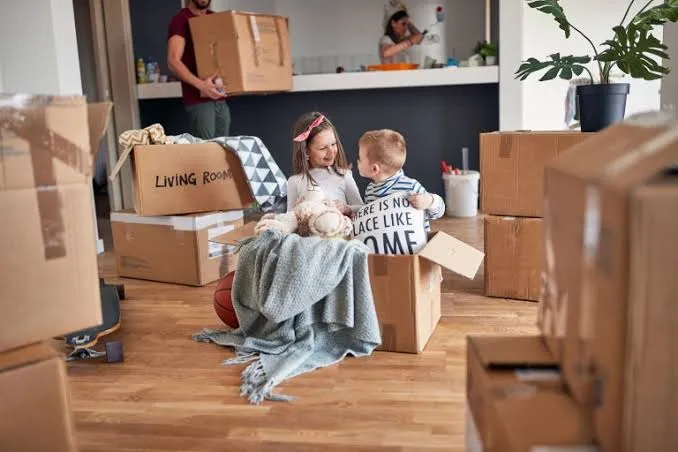
When nine-year-old Ethan learned his family was relocating to a new city three hours away, he didn’t ask about his new bedroom or the local parks. Instead, he withdrew into his shell, started crying at small frustrations, and slammed his door when his parents packed up his favorite living room bookshelf. For Ethan, moving didn’t feel like a fun new adventure; it felt like losing his entire universe.
Moving is one of the most significant life disruptions a child can experience.
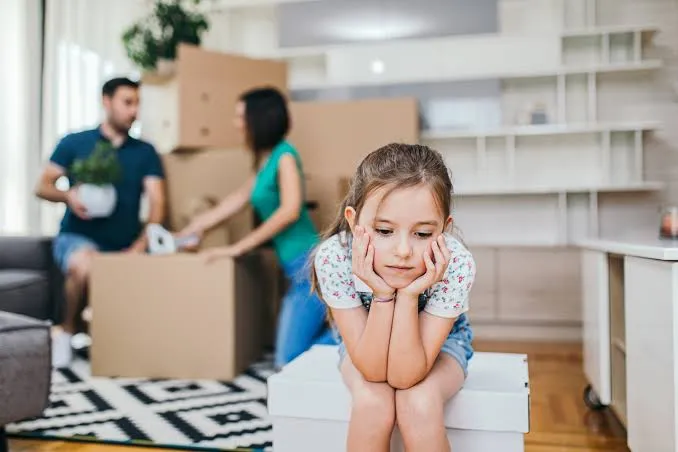
It strips away familiar physical landmarks, daily routines, close friendships, and sense of safety. While parents are often consumed by logistical details like lease agreements, moving trucks, and packing tape, children process a move as a profound loss of control.
Guiding Your Child Through the Relocation Transition
| Phase of the Move | Focus Area | Key Action Step |
| Before the Move | Processing Loss & Anxiety | Involve the child in packing and create a memory book of their old neighborhood |
| During the Move | Maintaining Familiarity | Pack an “Essential Comfort Bag” with favorite items for immediate access |
| After the Move | Establishing Momentum | Prioritize setting up their bedroom first and explore local spots together |
Practical Strategies for Reducing Relocation Stress
Give Them Concrete Control Over Small Decisions
Counteract their feeling of helplessness by letting them make real choices. Allow them to pick the paint color for their new room, choose which box their toys go in, or plan the route for your drive to the new house.
Honor the Farewell Process Properly
Avoid rushing out of your old town without closure. Host a small goodbye gathering, take photos of their favorite local spots, and give your child space to express sadness without telling them to “look on the bright side.”
Keep Daily Family Routines Stable
Maintain established bedtime rituals, mealtime habits, and weekend routines as closely as possible during the chaotic packing days. Predictable schedules provide an anchor when everything else feels uncertain.
Connect with the New Community Early
Research local parks, sports leagues, youth groups, or community centers before arriving. Reaching out to neighbors or setting up playdates early helps your child build a new support network much faster.



