

Ten-year-old Lucas slammed his tennis racket onto the court after missing a critical shot, stormed off the baseline, and refused to shake his opponent’s hand after the match. On the drive home, he pouted in the backseat, insisting the referee was cheating and blaming his doubles partner for the loss. His parents felt deeply embarrassed by his behavior, wondering how their sweet child had become such a sore loser.
Competitive sports and group games bring out a child’s rawest emotions.
Winning feels exhilarating, but losing forces children to confront disappointment, public exposure, and intense vulnerability. When a child throws tantrums, cheats, boasts arrogant claims, or blames teammates, they are struggling to process the uncomfortable emotional weight of falling short.
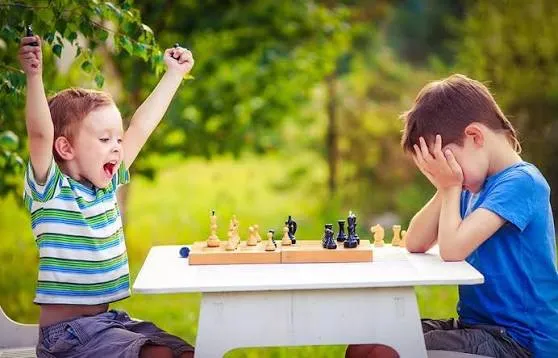
Moving Beyond the “Winning is Everything” Mindset
Bad sportsmanship usually stems from a child associating their self-worth directly with victory. When winning becomes the sole measure of success, losing feels like a personal failure, triggering defensive anger or blame.
Teaching good sportsmanship requires redefining what success actually looks like on and off the field.
Five Clear Steps to Guide Your Child Toward Graceful Play
1. Establish the Non-Negotiable Respect Rule
Make post-game respect mandatory regardless of the scoreboard. Congratulating the opponent, shaking hands, and thanking the referee are non-negotiable standards required to participate in future games.
2. Separate Performance from Personal Worth
Ensure your child knows your love and approval remain completely unchanged whether they win or lose. Avoid offering criticism or tactical lectures immediately after a loss when emotions are still raw.
3. Model Graceful Reactions in Daily Life
Children absorb how adults react to minor frustrations. If you scream at referees from the sidelines or complain bitterly about traffic, your child will imitate that high-volatility behavior during their own games.
4. Praise Effort, Strategy, and Teamwork
Focus post-game conversations on moments of character. Mention how well they supported a struggling teammate, how hard they ran during the second half, or how bravely they handled a bad referee call.
5. Normalize Failure as a Necessary Learning Tool
Remind your child that even elite professional athletes make mistakes and lose matches. Frame every loss as valuable feedback that highlights areas for future growth rather than a personal defeat.



