
Seven-year-old Mia started biting her nails during her first week at a new school. Within a month, her fingertips were raw, and the habit was happening everywhere—while watching television, listening to bedtime stories, or sitting at the dinner table. Her father found himself constantly barking orders across the room, telling her to put her hands down or reminding her how dirty her fingers were. Yet, the more attention he drew to the behavior, the more frequently Mia’s hands crept back toward her mouth.
Watching a child develop a nervous habit like hair twisting, lip biting, or skin picking can trigger intense parental frustration.
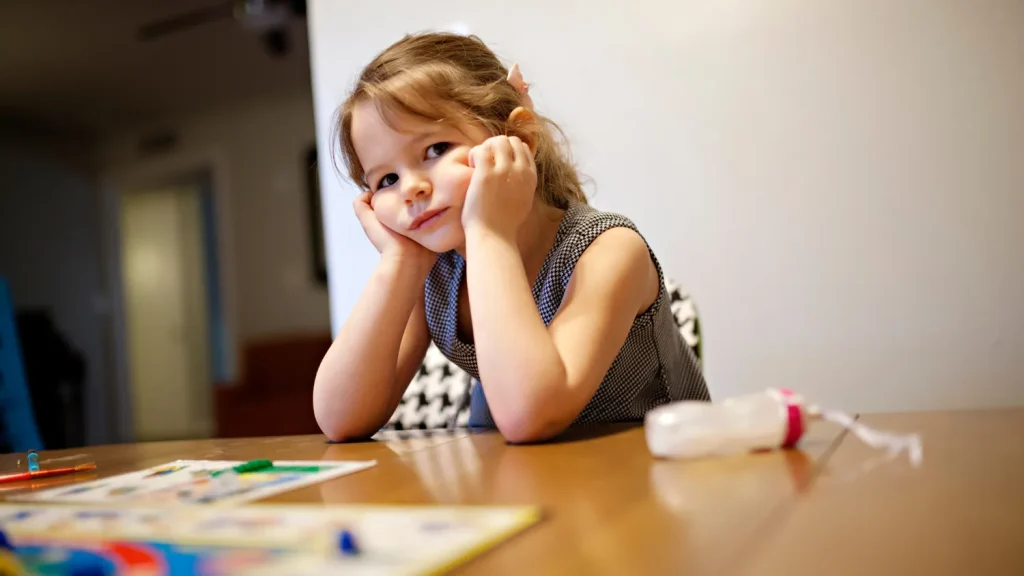
Parental instincts usually urge us to stop the behavior immediately through negative attention, gentle scolding, or constant verbal reminders. However, nervous habits are rarely behavioral choices or acts of defiance. They are physical release valves for an overloaded nervous system, helping young children self-soothe when internal stress or sensory fatigue becomes too heavy to express in words.
Why Direct Confrontation Backfires on Childhood Stress
When a parent repeatedly points out a nervous habit, the child’s internal stress levels actually rise.
Drawing sudden attention to a subconscious behavior instills deep self-consciousness and embarrassment. The child feels a loss of control, which triggers the exact underlying anxiety that birthed the habit in the first place. This creates an exhausting loop: heightened anxiety leads to increased habit frequency, which leads to more parental frustration.
To break a nervous habit permanently, you must stop treating the visible symptom and start supporting the underlying nervous system.
Practical Steps to Support Your Child Without Scolding
Establish a Private, Secret Signal
Instead of calling out the behavior in front of family members or friends, agree on a quiet, reassuring code phrase or gentle touch on the shoulder. A subtle hand gesture allows you to remind your child without causing shame or drawing public attention.
Introduce a Tactile Replacement Tool
Nervous habits satisfy a physical need for tactile feedback. Supply a healthy physical alternative, such as a textured sensory ring, a soft stress stone, or a flexible fidget strip attached under their school desk or on their clothing.
Map the Emotional Triggers Throughout the Day
Track when the habit peaks over a three-day period. You may notice it happens during passive downtime, high-pressure transitions, or homework sessions. Addressing the root fatigue or overwhelm at those specific times naturally reduces the child’s need to self-soothe.
Build Daily Stress-Release Rituals
Incorporate grounding physical activities into your child’s after-school routine. Simple heavy-work activities—such as carrying heavy books, swinging on monkey bars, or kneading dense dough—provide deep sensory input that calms an overactive nervous system.



