
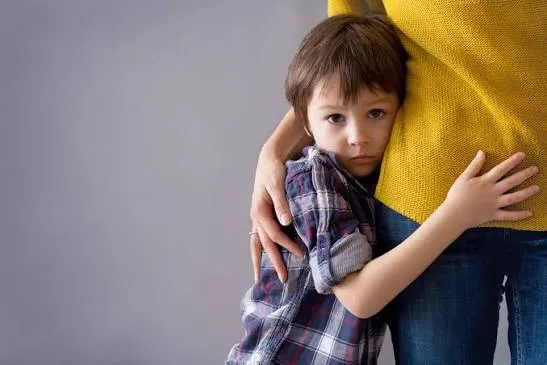
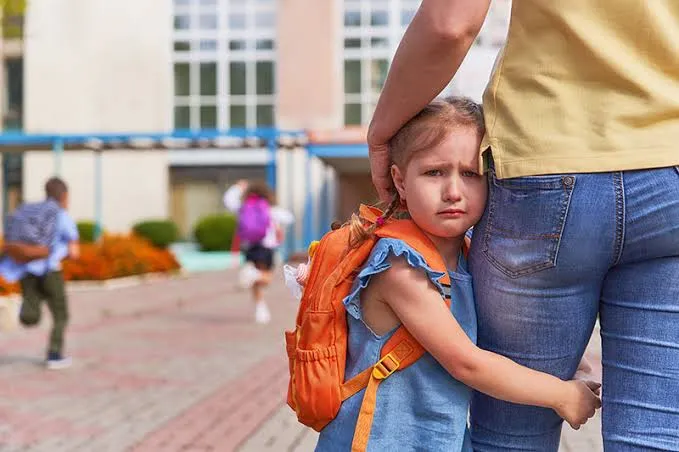
The moment you try to leave, your child grabs your hand and refuses to let go. Maybe it happens at school drop-off, when a babysitter arrives, before an extracurricular activity, or simply when you walk into another room. Some children cry, cling, ask repeated questions about when you’ll be back, or suddenly complain that they do not feel well.
For parents, these moments can be difficult in a very practical way. You may be running late, your child is becoming more upset by the second, and every instinct tells you to stay until they feel completely calm. But separation anxiety is not something children learn to overcome by never being separated. They need reassurance, predictable experiences, and gradual opportunities to discover that they can be apart from you and still feel safe.
What Separation Anxiety Can Look Like
Separation anxiety is not always a dramatic goodbye at the school door. Some children become tearful as soon as they know a separation is coming, while others seem fine until the moment you actually leave.
You may notice that your child:
- becomes unusually clingy before you leave
- repeatedly asks when you will come back
- does not want to stay with another trusted adult
- refuses activities because you will not be there
- has trouble sleeping without you nearby
- complains of a stomachache or headache around separation
- becomes very upset when plans require you to be away
The pattern matters more than one difficult goodbye. A child may have an especially hard day when they are tired, sick, starting a new school, or dealing with another major change. That does not automatically mean there is a larger problem.

Don’t Make the Fear Bigger Than It Needs to Be
When a child is crying at the door, parents often start giving long explanations. “You’ll be fine. Nothing is going to happen. I’ll only be gone for a little while. Your teacher is there. Remember yesterday? You had fun.”
The problem is that repeated reassurance can become part of the routine. Your child may start believing that they need more and more confirmation before they can tolerate being apart from you.
It is usually more helpful to acknowledge the feeling without treating separation as something dangerous. “I know you don’t want me to leave. Saying goodbye is hard sometimes, and you can handle it.” That gives your child comfort while also communicating confidence in their ability to cope.
Make Goodbyes Predictable
A long goodbye often feels kinder because it gives everyone more time to adjust. In reality, repeatedly extending the moment can make separation more difficult. Every extra hug, explanation, or return to the classroom gives the anxious feeling another chance to grow.
A simple goodbye routine can make the transition easier. Perhaps it is a hug, a specific phrase, and then handing the child over to the teacher or caregiver. The details are not important; consistency is.
Your child learns from repetition: this is what happens when Mom or Dad leaves, and this is what happens afterward. The more familiar the sequence becomes, the less uncertainty there is to manage.
Tell Your Child When You’ll Be Back
“See you later” may be enough for an older child, but younger children often have a limited sense of time. Saying “I’ll pick you up after lunch” or “I’ll be back after your class is finished” can be easier for them to understand than giving a clock time.
Most importantly, follow through. When parents consistently return when they said they would, children begin to build a very practical kind of trust: separation has an ending.
That trust does not appear after one successful goodbye. It develops through many ordinary experiences in which the child is apart from the parent, spends time with another trusted adult, and eventually reunites with them.
Practice Being Apart Before You Really Need To
It is much easier to practice separation when there is no major deadline attached to it. A child who is anxious about starting a new school may benefit from smaller experiences of being away from a parent beforehand.
Start with situations that feel manageable. Your child might spend some time with a grandparent, have a short playdate, stay with a familiar babysitter, or take part in an activity while you are nearby but not directly involved.
The goal is not to create a long separation immediately. It is to give your child repeated evidence that being away from you is something they can handle.
Let Your Child Know What Will Happen Next
Uncertainty can make separation harder. A child may worry about who will be there, what they will do, when you will return, or what they should do if they start missing you.
Talking through the routine ahead of time can make the experience feel more manageable. You can walk through the morning together: who will take them to school, where they will put their things, what happens after you say goodbye, and what they will do until pickup.
For older children, the conversation may be less about explaining every step and more about helping them make a plan. What can they do when they start feeling worried? Who can they talk to? What activity can they focus on while they wait?
Don’t Keep Checking Whether They’re Okay
Parents can become anxious about separation too. After dropping off a child who was crying, you may want to call, text, ask the teacher for updates, or return early to check whether they are coping.
Sometimes that is appropriate, especially when there is a genuine concern. But constant checking can also send an unintended message: “Maybe you really aren’t okay without me.”
Children take cues from their parents. A calm, confident departure communicates something different from a goodbye filled with hesitation and worry. You can care deeply about how your child feels while still showing them that you trust their ability to get through the separation.
Build Independence in Ordinary Moments
Helping with separation anxiety is not limited to drop-offs. Independence grows in small moments throughout the day.
Let your child play independently while you are nearby. Encourage them to spend time with trusted family members. Allow them to solve age-appropriate problems before stepping in. Give them chances to experience doing something successfully without having a parent right beside them.
These experiences help children develop a sense that safety and connection do not disappear the moment a parent steps away.
When Separation Anxiety Is Affecting Daily Life
Some separation anxiety is a normal part of childhood, particularly around transitions and unfamiliar situations. The bigger concern is when the fear becomes persistent, intense, and difficult to work around.
Pay attention when your child regularly refuses school or activities because they cannot be away from you, cannot sleep without you nearby, has repeated physical complaints before separation, or spends a great deal of time worrying that something will happen to you.
A child whose separation anxiety continues to interfere with school, friendships, sleep, or normal family routines may need more than reassurance at home. Talking with a pediatrician, school counselor, or qualified mental health professional can help you understand what is happening and decide what additional support may be appropriate.
The Goal Is Not to Make Goodbyes Feel Perfect
There may still be tears. Your child may still say, “Don’t go.” They may have days when separation feels much harder than usual.
Progress does not necessarily mean that your child stops feeling nervous. It can look much smaller: they recover faster after you leave, accept comfort from another trusted adult, join an activity even though they miss you, or eventually manage a goodbye without needing ten extra reassurances.
Those small moments matter. Each successful separation gives your child another experience of discovering, “I missed my parent, I felt worried, and I was still okay.”
That is how confidence around separation grows – not by convincing a child that they should never be afraid, but by helping them learn that they can handle the feeling and still move forward.



