
Many parents feel confused when their child has a strong emotional reaction to something that seems minor. A small change in plans, a simple mistake, losing a game, or hearing “no” can sometimes lead to crying, anger, frustration, or a complete emotional breakdown.
From a parent’s perspective, the situation may not seem serious enough to create such a strong reaction. They may think, “Why is my child so upset about something so small?” or “How can I help my child become less sensitive?”
However, children often experience situations differently from adults. What appears small from the outside may represent disappointment, embarrassment, fear, frustration, or a feeling of losing control.
Understanding the emotions behind these reactions can help parents respond more effectively and teach children healthier ways to manage difficult feelings.
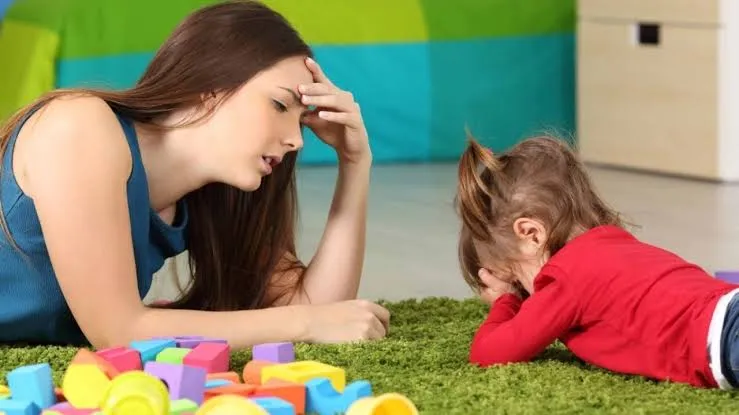
Small Problems Can Feel Big to Children
Children do not always have the same emotional perspective as adults. Their ability to understand situations, control impulses, and manage disappointment is still developing.
For example, an adult may see losing a game as a small moment that does not matter. A child may experience it as failure, embarrassment, or proof that they are not good enough.
A child who becomes upset when plans change may not simply be “overreacting.” They may struggle with flexibility and need more support adjusting to unexpected situations.
Recognizing this difference helps parents respond with understanding rather than immediately dismissing the emotion.
Your Child May Not Know How to Express Feelings
Many children experience strong emotions before they have the skills to explain them.
A child may feel frustrated, disappointed, or anxious but only know how to express those feelings through crying, anger, or refusal.
For example, a child who becomes upset about homework may not actually be angry about the homework itself. They may feel worried about making mistakes or overwhelmed by the difficulty of the task.
When parents focus only on stopping the behavior, they may miss the emotion underneath it.
Helping children identify feelings gives them better tools for communicating what they need.
Avoid Saying “It Is Not a Big Deal”
When children are upset, parents often try to comfort them by minimizing the situation.
They may say:
“It is not a big deal.”
“You are overreacting.”
“You should not cry about that.”
Although these responses are usually meant to help children calm down, they can make children feel that their emotions are not understood.
A better approach is acknowledging the feeling first.
Parents can say:
“I know this feels really frustrating.”
“I can see that you are disappointed.”
“This was not what you expected.”
Validation does not mean agreeing that the reaction is reasonable. It means helping children feel understood before teaching them how to handle the emotion.
Teach Emotional Regulation Step by Step
Children do not automatically know how to calm themselves during difficult moments. Emotional regulation is a skill that develops through practice and guidance.
Parents can teach simple strategies such as taking a break, using words to explain feelings, asking for help, or taking time to calm down before solving a problem.
These skills need to be practiced during calm moments, not only during emotional situations.
When children repeatedly experience support while learning these skills, they gradually become better at managing frustration independently.
Help Your Child Build Tolerance for Disappointment
Many emotional reactions happen because children struggle with disappointment.
They may become upset when they lose, make mistakes, wait for something they want, or receive an answer they do not like.
Parents cannot remove all disappointment from children’s lives, and they do not need to. Learning how to handle disappointment is an important part of emotional growth.
Instead of immediately fixing every difficult situation, parents can help children work through the feeling.
They can say:
“I know this is disappointing. Let’s think about what we can do next.”
This teaches children that difficult emotions are temporary and manageable.
Look at Patterns Behind Emotional Reactions
Parents can learn a lot by noticing when emotional reactions happen most often.
Does the child become upset when they are tired?
Does frustration appear when they make mistakes?
Do changes in routine create stress?
Understanding patterns helps parents identify possible triggers and provide better support.
Sometimes small changes in routines, communication, or expectations can make emotional situations easier for children to manage.
Manage Your Own Response
A child’s emotional reaction can quickly affect the parent’s emotions.
When a child cries or becomes angry over something small, parents may feel impatient or exhausted. However, reacting with anger often increases the intensity of the situation.
Children learn emotional responses by watching the adults around them. A calm parent can help create a calmer environment where children learn how to regulate themselves.
This does not mean parents must accept every behavior. It means responding to the emotion while still maintaining appropriate boundaries.
Final Thoughts
When children become upset over small things, the behavior is often connected to emotions they do not yet know how to manage. What looks like an unreasonable reaction may be a sign that a child needs support with frustration, disappointment, flexibility, or communication.
Parents can help by recognizing the feeling behind the behavior, teaching emotional skills, and creating a balance between understanding and boundaries.
Over time, children can learn that strong emotions are normal and that they have the ability to handle difficult moments in healthier ways.



