
Many parents hope their children will become more responsible as they grow older, but responsibility does not develop automatically. Children need opportunities to practice making decisions, managing tasks, and understanding the results of their choices.
For many families, responsibility becomes a source of conflict. Parents may feel they have to remind their child repeatedly about homework, personal belongings, chores, or commitments. Over time, these repeated reminders can make both parents and children feel frustrated.
A child who avoids responsibilities is not always being careless or unwilling to cooperate. Sometimes they may need more guidance, clearer expectations, or more opportunities to develop confidence in handling tasks independently.
Helping children become responsible is not about making them do everything perfectly. It is about gradually teaching them how to manage themselves and understand their role within the family.
Start With Age-Appropriate Responsibilities
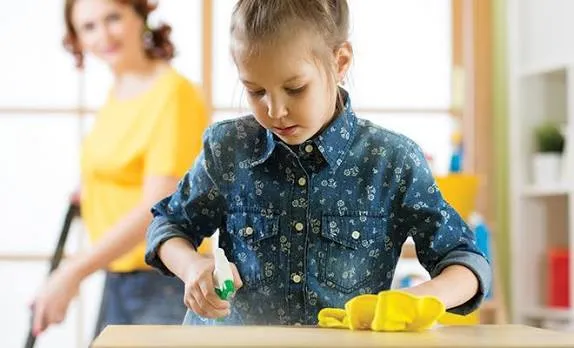
Children develop responsibility through practice. If parents take care of everything for them, children have fewer opportunities to learn how to manage tasks on their own.
However, responsibility needs to match a child’s developmental stage. Expecting too much too soon can make children feel overwhelmed, while expecting too little can prevent them from developing independence.
For younger school-age children, responsibility may involve organizing school supplies, keeping track of personal items, or completing simple routines. Older children and teenagers can gradually take responsibility for larger areas, such as managing schedules, completing schoolwork, and making decisions.
The goal is not perfection. The goal is helping children build confidence through repeated practice.
Avoid Doing Everything for Your Child
Many parents naturally step in because they want to help. They may remind children about tasks, fix mistakes, or complete responsibilities when they notice things are not being done.
These actions usually come from care, but they can unintentionally teach children that someone else will always solve problems for them.
For example, if a teenager repeatedly forgets school materials and a parent always brings them later, the child may not experience the need to prepare ahead of time.
Allowing children to experience reasonable consequences is an important part of learning responsibility. When children see the results of their choices, they have opportunities to reflect and improve.
Create Clear Expectations
Children are more likely to take responsibility when they understand exactly what is expected.
Sometimes parents assume children know what they should do, but expectations may not be as clear from the child’s perspective. A parent may think, “They know they should clean their room,” while the child may not understand what “clean” actually means.
Clear expectations remove confusion. Instead of saying, “Your room is a mess again,” parents can explain the specific responsibility: “Your clothes need to be placed in the laundry basket and your books need to go back on the shelf.”
When children understand the standard, they have a better chance of meeting it.
Give Children Choices and Ownership
Children are more motivated when they feel they have some control over their actions.
Constant commands can sometimes create resistance because children feel that responsibilities are something forced on them rather than something they can manage themselves.
Parents can encourage ownership by offering choices within reasonable limits.
For example:
“Would you like to finish your homework before dinner or after dinner?”
“Would you rather organize your desk today or tomorrow?”
These choices help children practice decision-making while still maintaining important expectations.
Focus on Effort Instead of Only Results
Some children avoid responsibilities because they are afraid of making mistakes. If they believe they must do everything perfectly, they may delay starting or avoid trying.
Parents can encourage responsibility by recognizing effort and progress.
Instead of focusing only on what went wrong, parents can notice improvements:
“You remembered to prepare your things today.”
“You finished that task without needing reminders.”
“You handled that problem better this time.”
Positive feedback helps children develop confidence and shows them that responsibility is something they can improve through practice.
Let Children Experience Natural Consequences
One of the most important parts of learning responsibility is understanding that choices have results.
If a child forgets to complete homework, loses an important item, or fails to prepare for something, parents may want to immediately fix the problem.
However, constantly rescuing children can prevent them from learning important lessons.
Natural consequences should be reasonable and safe. They are not about making children suffer. They are about helping children understand the connection between actions and outcomes.
Teach Problem-Solving Skills
Responsible children are not children who never make mistakes. They are children who learn how to handle problems when mistakes happen.
Parents can guide children by asking questions:
“What happened?”
“What could you do differently next time?”
“What is one step you can take to solve this?”
These conversations help children develop the ability to think through situations instead of waiting for adults to provide every solution.
Be a Model of Responsibility
Children learn a lot by observing adults.
Parents do not need to be perfect, but they can demonstrate responsible behavior in everyday situations. Showing how to manage commitments, apologize for mistakes, organize tasks, and follow through on promises teaches children what responsibility looks like.
Children often learn more from what parents do than what parents say.
Final Thoughts
Helping children become responsible is a gradual process. Responsibility grows through practice, guidance, and opportunities to make choices.
Parents can support this development by setting clear expectations, allowing children to experience appropriate consequences, and giving them opportunities to solve problems independently.
The goal is not simply to make children complete tasks. It is to help them develop confidence, independence, and the ability to manage their own lives as they grow.



