
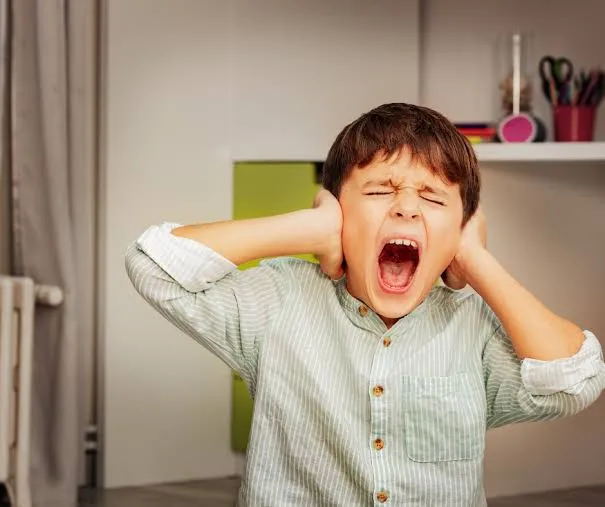
Many parents have experienced moments when their child suddenly becomes overwhelmed by emotions.
A small disagreement turns into crying. A simple request leads to frustration. A child becomes angry because something does not go as expected.
For parents, these situations can feel exhausting and confusing. You may try to stay calm, but repeated emotional outbursts can make you wonder:
“Why is my child reacting so strongly?”
“Am I handling these situations the right way?”
“How can I teach my child to manage emotions better?”
The answer is not simply making children stop expressing strong feelings. Children need to learn that emotions are normal, but they also need guidance on how to handle those emotions in healthier ways.
Helping children manage big emotions is an important part of emotional development, communication, and building a stronger parent-child relationship.
Understand That Big Emotions Are Not Always Bad Behavior
When children cry, yell, or become frustrated, many parents naturally focus on stopping the behavior.
They may say:
“Stop crying.”
“Calm down.”
“There is no reason to be upset.”
Although parents usually say these things because they want to help, children may feel that their emotions are being rejected.
A child who is overwhelmed is often not trying to create a problem. They may not yet have the emotional skills needed to explain what they feel or handle disappointment.
A tantrum, anger, or frustration can be a signal that the child needs support with emotional regulation.
Before correcting the behavior, parents can first try to understand the feeling behind it.
Help Your Child Name Their Feelings
Children often experience strong emotions before they have the language to describe them.
A child may know they feel bad, but they may not understand whether they are disappointed, embarrassed, angry, worried, or frustrated.
Parents can help by putting feelings into words:
“You seem really frustrated because the game did not go the way you wanted.”
“You are upset because you wanted more time.”
“You feel disappointed that we cannot do that today.”
This does not mean agreeing with every reaction.
It simply helps children understand what is happening inside them.
Over time, children who can identify their emotions are better able to communicate instead of expressing everything through behavior.
Stay Calm Before Trying to Teach
One of the hardest parts of parenting is staying calm when a child is not calm.
A child’s emotional reaction can quickly trigger a parent’s frustration.
The child raises their voice.
The parent raises their voice.
The situation becomes a conflict between two emotional reactions.
However, children often learn emotional regulation by observing the adults around them.
This does not mean parents must always be perfectly calm. Parents are human and can become overwhelmed.
The important thing is learning to manage reactions and return to a calmer state.
A calm parent creates a safer environment where a child can learn how to handle difficult emotions.
Avoid Trying to Solve the Problem Too Quickly
When children are upset, parents often want to immediately explain, correct, or fix the situation.
For example:
A child loses a game and becomes angry.
The parent says:
“It is only a game.”
“You need to learn to accept losing.”
The advice may be reasonable, but the child may not be ready to hear it during the emotional moment.
First, children need help calming down.
After the emotion becomes smaller, parents can discuss what happened and what could be done differently next time.
Timing matters.
Teaching works better when children are emotionally ready to listen.
Teach Better Ways to Express Frustration
Children need alternatives.
Simply saying “Do not get angry” does not teach them what to do instead.
Parents can teach phrases such as:
“I am frustrated.”
“I need a break.”
“I do not like this.”
“Can you help me?”
These simple communication skills can gradually replace yelling, crying, or aggressive reactions.
The goal is not to remove emotions. The goal is to help children express emotions in healthier ways.
Set Boundaries Around Behavior
Understanding emotions does not mean allowing every behavior.
Children can feel angry, but they still need to learn that hurting others, breaking things, or disrespectful communication are not acceptable.
Parents can separate the emotion from the action:
“I understand that you are angry, but you cannot hit.”
“You are upset, but we need to speak respectfully.”
This approach teaches children that all feelings are acceptable, but not all behaviors are.
Give Children Opportunities to Practice Emotional Skills
Emotional regulation develops through practice.
Children will not master it after one conversation.
Every disagreement, disappointment, and difficult moment becomes an opportunity to learn.
A child who struggles with losing games can practice handling frustration.
A child who becomes upset when corrected can practice responding differently.
A child who has trouble waiting can practice patience.
Parents do not need to eliminate every difficult emotion. They need to guide children through these experiences.
How The Parent You Aspire to Be Helps Parents Understand Emotional Challenges
The Parent You Aspire to Be by Miles Carter focuses on an important idea: children’s behaviors often have deeper emotional reasons behind them.
Instead of only correcting the visible behavior, parents can learn to understand the psychological needs behind it.
The book explores child behavior correction, emotional management, parent-child communication, and parental emotional regulation.
These ideas are especially helpful for parents who want to respond to emotional outbursts with more understanding while still maintaining healthy boundaries.
Learning to manage a child’s emotions also requires parents to understand their own emotional responses.
When parents become more aware of their frustration, anxiety, and expectations, they can create more positive interactions at home.
Final Thoughts
Helping children manage big emotions is not about making them stop feeling upset. It is about teaching them how to understand feelings, communicate needs, and respond to challenges in healthier ways.
Children need parents who can provide both emotional support and clear boundaries.
By learning to recognize the reasons behind behavior and responding with patience and guidance, parents can help children develop stronger emotional skills and build a healthier relationship together.



