
Hearing a young child say, “I hate school,” can make any parent worry. Sometimes the comment appears after a difficult morning, while other times a child starts saying it repeatedly and seems increasingly reluctant to attend.
For preschool and early school-age children, school can involve many new demands. They are expected to separate from parents, follow routines, interact with classmates, listen to teachers, and manage unfamiliar situations. A child may not yet have the emotional vocabulary to explain which part of the experience feels difficult, so “I hate school” becomes a simple way to describe a much bigger feeling.
Before assuming that a child is simply unwilling to go to school, it helps to look more closely at what the statement may be communicating.
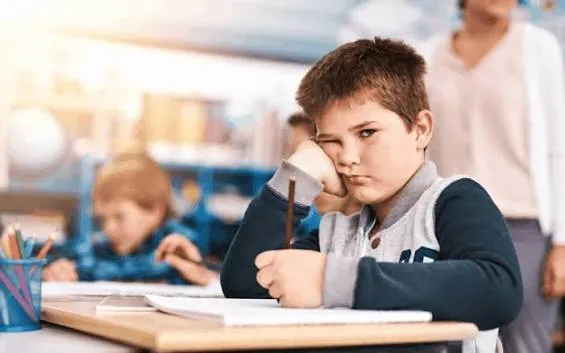
Find Out What “I Hate School” Really Means
Children do not always explain problems directly. A child may dislike school because of a difficult friendship, a challenging classroom activity, separation from parents, fear of making mistakes, or simply exhaustion from a busy day.
Instead of asking a broad question such as “Why do you hate school?”, try using smaller questions. You might ask, “What’s the hardest part of your day?” or “Is there a time at school that you wish you could skip?”
Specific questions are often easier for young children to answer because they give them something concrete to think about.
Pay Attention to When the Problem Happens
The timing of school resistance can provide useful clues. If a child is happy on weekends but becomes upset every Sunday evening, the upcoming school routine itself may be creating worry. If the child is fine in the morning but becomes distressed when it is time for a particular class or activity, there may be a more specific concern.
Parents can also talk with the teacher to understand whether the child is participating normally during the day. Comparing what happens at home with what happens at school can help parents see patterns that are difficult to identify from one perspective alone.
Avoid Turning Every Morning Into a Battle
When a child repeatedly says they do not want to go to school, parents can easily become frustrated. Arguments, threats, and lengthy lectures may make the morning even more stressful and can unintentionally reinforce the idea that school is a frightening or negative experience.
A calmer approach is to acknowledge the child’s feelings while maintaining the expectation. You might say, “I know you don’t feel like going today. School is still part of your routine, and I’ll help you get ready.”
This communicates two important messages at the same time: their feelings are taken seriously, and adults can still provide structure.
Help Your Child Prepare for Difficult Parts of the Day
If you discover that a particular situation is causing stress, preparation can make a difference. A child who worries about speaking in front of the class may benefit from practicing at home. A child who struggles with separating at drop-off may benefit from a predictable goodbye routine that is brief and consistent.
Young children often cope better when they know what will happen next. Preparing for a difficult situation also gives them a sense that the problem is manageable rather than something completely outside their control.
Watch for Ongoing Changes in Behavior
Occasional complaints about school are common, especially after a tiring day. However, parents should pay attention when school resistance is persistent or accompanied by broader changes, such as frequent physical complaints, significant sleep disruption, withdrawal from activities, or a noticeable change in mood.
In those situations, talking with the child’s teacher, pediatrician, or another appropriate professional can help clarify what may be happening and what support could be useful.
Final Thoughts
A child who says “I hate school” is not necessarily saying that school itself is the real problem. The statement may be a child’s way of asking for help with something they do not yet know how to explain.
By listening carefully, looking for patterns, and working with the adults around the child, parents can often identify the real source of the difficulty. A calm and supportive response can help children feel that school problems are something they can work through rather than something they have to face alone.



