
Empathy is one of the most important emotional skills children develop during childhood.
It helps children understand how others feel, consider different perspectives, and build meaningful relationships.
Many parents hope their children will grow into kind and caring individuals, but empathy is not something children automatically know how to practice. It develops through daily experiences, conversations, and the way parents respond to emotions.
A child may know that saying something hurtful is wrong, but they may not fully understand how their words affect another person.
Teaching empathy is about helping children connect actions with feelings.
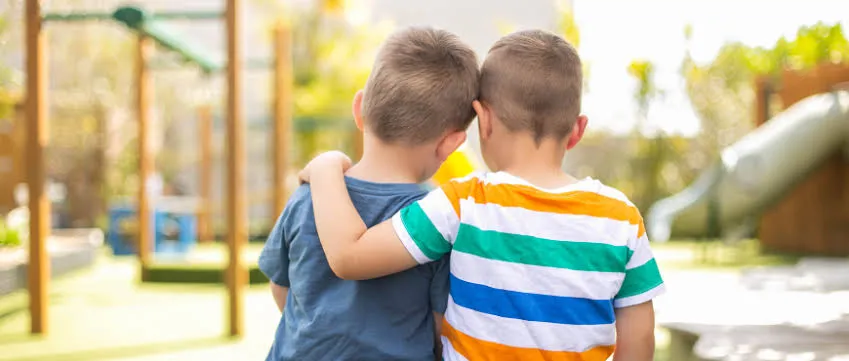
Help Children Recognize Their Own Feelings First
Before children can understand other people’s emotions, they need to learn how to identify their own feelings.
A child who cannot recognize their own frustration, sadness, or disappointment may struggle to understand those emotions in others.
Parents can help by naming emotions during everyday moments:
“You look disappointed because the game did not go the way you hoped.”
“You seem frustrated because that was difficult.”
“This made you feel excited.”
When children develop emotional vocabulary, they become better at recognizing similar feelings in other people.
Encourage Children to Think From Another Person’s Perspective
Young children naturally see situations from their own point of view.
A child may think:
“I wanted the toy, so I took it.”
They may not immediately understand:
“My friend was still playing with it, and taking it away made them upset.”
Parents can guide children by asking questions:
“How do you think your friend felt?”
“What do you think they needed?”
“What could we do differently next time?”
These questions help children practice seeing situations from another person’s perspective.
Model Empathy in Everyday Life
Children learn empathy by observing how parents treat others.
When parents show patience, listen carefully, and acknowledge feelings, children experience what empathy looks like.
For example:
When a child is upset, responding with understanding teaches them that emotions deserve attention.
When parents apologize after making mistakes, children learn that caring relationships include accountability.
Everyday interactions become opportunities for children to learn emotional skills.
Avoid Forcing Apologies Without Understanding
Many parents encourage children to say “sorry” immediately after conflicts.
While apologies are important, children learn more when they understand why an apology matters.
Instead of only saying:
“Say sorry.”
Parents can guide children:
“Your words hurt your sibling. How do you think they feel?”
“What can we do to make things better?”
This helps children develop genuine empathy rather than simply repeating expected behaviors.
Final Thoughts
Empathy grows through connection, guidance, and practice.
Children become more caring when they learn that their feelings matter and other people’s feelings matter too.
By helping children understand emotions, consider different perspectives, and repair relationships, parents can support one of the most valuable skills their child will carry throughout life.



