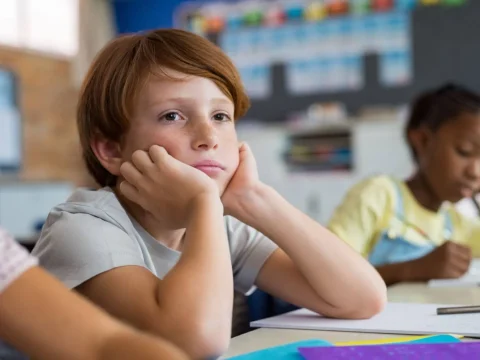
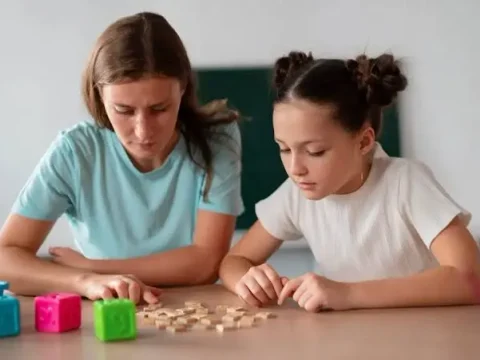
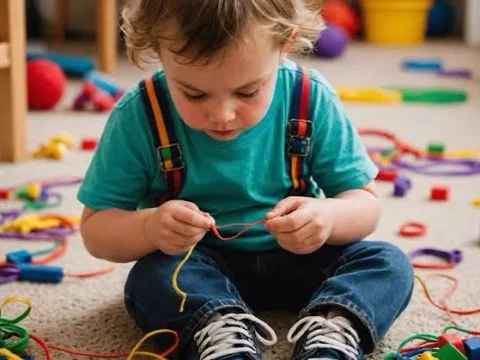
Patience is an important life skill that affects many areas of childhood development.
Children need patience when waiting for their turn, learning a new skill, solving a difficult problem, or accepting that they cannot always get what they want immediately.
However, patience is not something children naturally understand from an early age.
A young child often lives in the present moment. When they want something, waiting can feel extremely difficult because they are still developing emotional control and the ability to think about the future.
For parents, helping children become more patient requires guidance, practice, and realistic expectations.
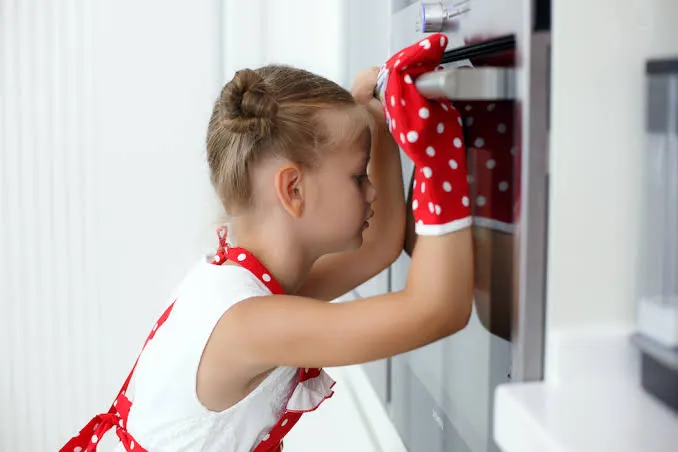
Understand That Patience Develops Gradually
Many parents compare children’s reactions with adults’ abilities to wait.
However, children do not yet have the same emotional skills.
A child who becomes upset while waiting for dinner or taking turns is not necessarily being selfish. They are still learning how to manage impulses and emotions.
Patience develops through repeated experiences where children learn:
“I can wait.”
“I can handle disappointment.”
“I can try again.”
Parents can support this process by recognizing that patience is a skill that grows over time.
Avoid Solving Every Moment of Frustration Immediately
When children become impatient, parents often want to make the situation easier right away.
For example:
A child struggles with a puzzle → the parent gives the answer.
A child gets bored waiting → the parent immediately provides entertainment.
Although this comes from care, children also need opportunities to practice waiting and problem-solving.
Parents can offer support without removing the challenge completely.
Try saying:
“This is taking longer than you expected.”
“Waiting can feel difficult.”
“What can we do while we wait?”
Teach Children Small Waiting Skills
Patience is easier to learn through small everyday experiences.
Parents can practice patience by:
- Waiting for their turn during games
- Letting children complete tasks independently
- Encouraging children to finish activities before switching
- Practicing delayed rewards
Small experiences help children gradually build tolerance for waiting.
Model Patience in Daily Life
Children learn many behaviors by watching adults.
If parents frequently show frustration when waiting in traffic, standing in line, or dealing with delays, children may learn that impatience is the normal response.
Parents can model emotional control by saying:
“This is taking longer than expected, but we can wait.”
“I feel frustrated, so I need to calm down.”
These moments teach children that patience is a skill everyone practices.
Encourage Effort Rather Than Perfect Patience
Children will not become patient overnight.
There will still be moments when they complain, interrupt, or struggle with waiting.
Instead of focusing only on mistakes, parents can recognize progress:
“You waited longer this time.”
“You handled that disappointment better.”
“You kept trying even though it was difficult.”
Positive feedback helps children notice their own growth.
Final Thoughts
Patience is not about forcing children to stay quiet or accept everything without emotion.
It is about helping them develop the ability to manage feelings, handle delays, and continue trying when things are difficult.
Through daily practice, supportive guidance, and positive examples, parents can help children build patience that will benefit them throughout life.